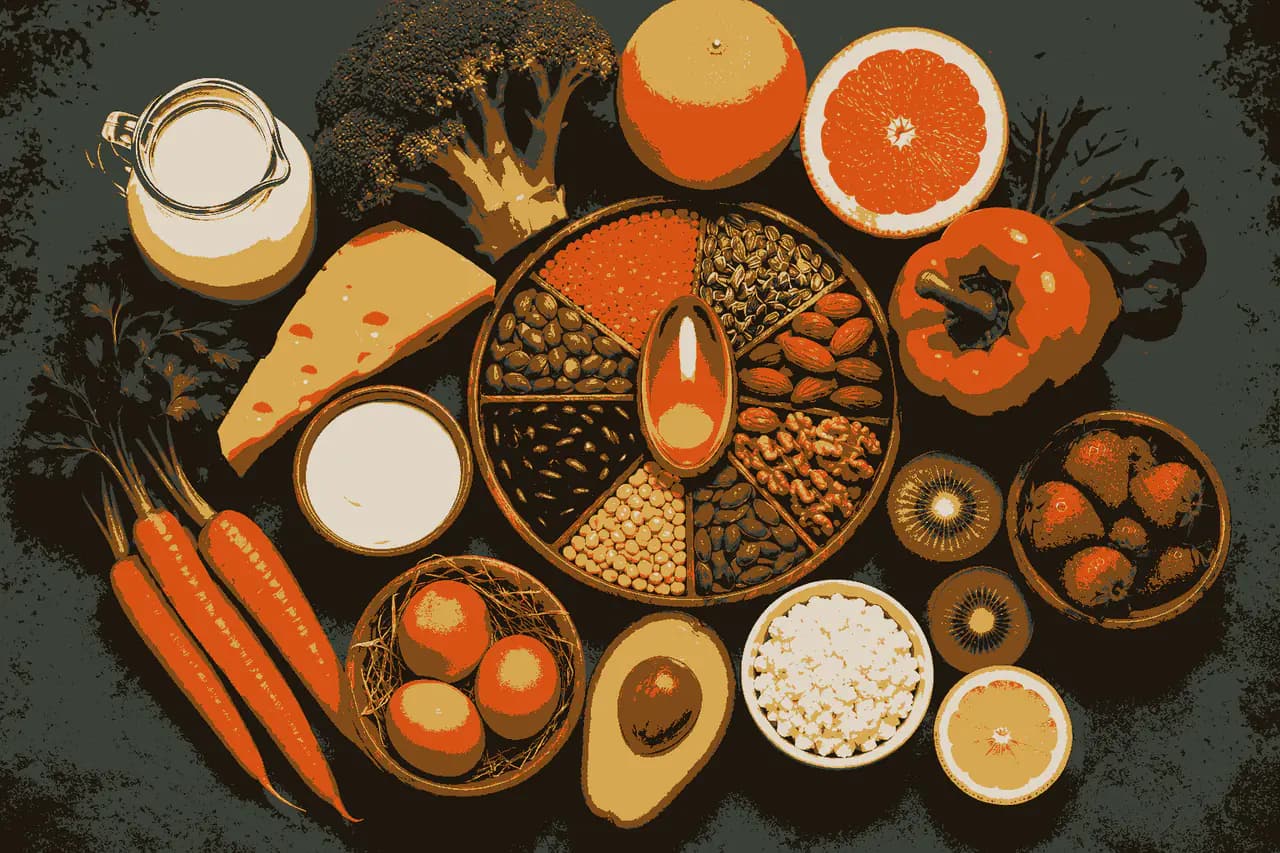
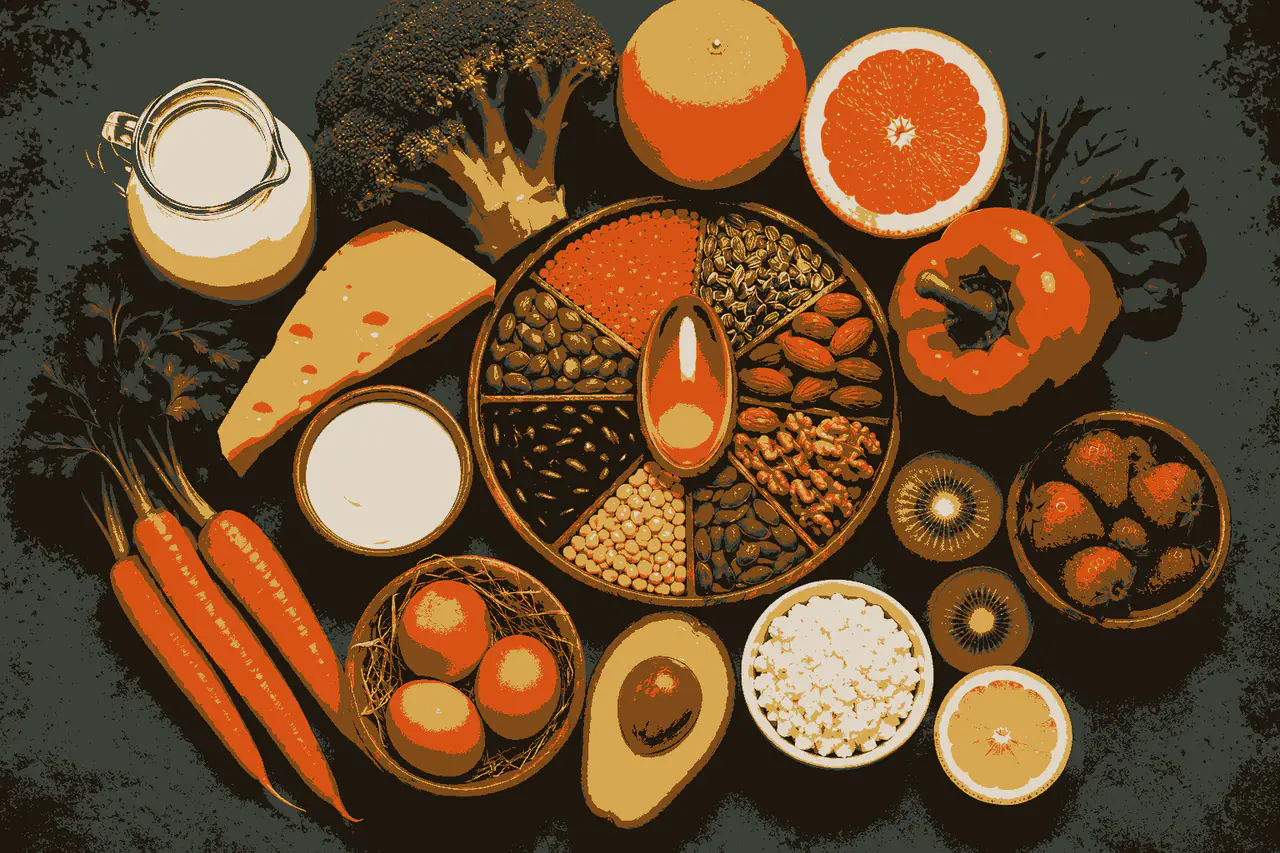
Vitamin Deficiency Diseases MCQs for Competitive Exams is an important study topic for aspirants who want to strengthen their knowledge of nutrition, human health, deficiency disorders, and disease prevention in a clear and exam-focused manner. Vitamin Deficiency Diseases MCQs for Competitive Exams helps aspirants revise essential facts about vitamins, their sources, their functions, and the diseases caused when the body does not receive them in sufficient amounts. Vitamins are required in small quantities, but their role in growth, metabolism, immunity, blood formation, nerve function, vision, skin health, and bone development is extremely important. Vitamin Deficiency Diseases MCQs for Competitive Exams is especially useful because many biology-based exams test direct associations between a vitamin and its deficiency disease. Aspirants preparing biology, nursing, medical entrance, paramedical, pharmacy, and general science examinations can benefit from a strong understanding of this topic. Vitamin Deficiency Diseases MCQs for Competitive Exams also helps aspirants avoid confusion between similar deficiency symptoms and related nutritional disorders. Vitamin Deficiency Diseases MCQs for Competitive Exams becomes easier when aspirants first understand the difference between fat-soluble and water-soluble vitamins. Vitamins A, D, E, and K are fat-soluble vitamins, while vitamins of the B-complex group and vitamin C are water-soluble vitamins. When aspirants study Vitamin Deficiency Diseases MCQs for Competitive Exams, they should remember that fat-soluble vitamins are stored in the body for a longer time, whereas water-soluble vitamins usually need regular intake through diet. Vitamin A is important for vision, epithelial tissue, and immunity, and its deficiency may cause night blindness and xerophthalmia. Vitamin Deficiency Diseases MCQs for Competitive Exams becomes easier when aspirants connect vitamin A with eye health and proper functioning of the retina. By using Vitamin Deficiency Diseases MCQs for Competitive Exams as a revision theme, aspirants can organise multiple facts into simple memory links. Vitamin Deficiency Diseases MCQs for Competitive Exams also includes vitamin D, which is necessary for calcium absorption and bone development. Deficiency of vitamin D may cause rickets in children and osteomalacia in adults. Through Vitamin Deficiency Diseases MCQs for Competitive Exams, aspirants can re member that sunlight helps the body synthesise vitamin D, making exposure to sunlight an important natural source. Vitamin E is associated with reproductive health, antioxidant protection, and cell membrane stability, while vitamin K is required for normal blood clotting. Vitamin Deficiency Diseases MCQs for Competitive Exams should also include the idea that deficiency of vitamin K can lead to delayed blood clotting. For example, Vitamin Deficiency Diseases MCQs for Competitive Exams helps aspirants quickly connect vitamin K with coagulation and vitamin D with bones. Vitamin Deficiency Diseases MCQs for Competitive Exams is also very important for learning B-complex vitamins. Vitamin B1, or thiamine, deficiency causes beri-beri, a disease that affects nerves, muscles, and the heart. Aspirants using Vitamin Deficiency Diseases MCQs for Competitive Exams should remember that vitamin B2, or riboflavin, deficiency may cause cracks at the corners of the mouth, inflammation of the tongue, and skin problems. Vitamin B3, or niacin, deficiency causes pellagra, which is commonly associated with dermatitis, diarrhoea, and dementia. Vitamin Deficiency Diseases MCQs for Competitive Exams becomes stronger when aspirants remember these three symptoms together as the classic features of pellagra. In addition, Vitamin Deficiency Diseases MCQs for Competitive Exams helps aspirants connect vitamin B6 with nerve function, vitamin B9 with folic acid needs, and vitamin B12 with pernicious anaemia. Vitamin Deficiency Diseases MCQs for Competitive Exams also gives importance to vitamin C because it is linked with scurvy. Vitamin C is required for collagen formation, wound healing, gum health, and immunity. With Vitamin Deficiency Diseases MCQs for Competitive Exams, aspirants can easily remember that bleeding gums, delayed wound healing, weakness, and joint pain may be associated with vitamin C deficiency. This topic also encourages aspirants to understand why fruits such as amla, guava, oranges, lemons, and other citrus fruits are important dietary sources. Vitamin Deficiency Diseases MCQs for Competitive Exams also supports practical awareness because vitamin deficiency diseases are not just exam facts; they are real health problems caused by poor diet, malabsorption, poverty, illness, or lack of nutritional awareness. Vitamin Deficiency Diseases MCQs for Competitive Exams should be revised through short tables, charts, flow diagrams, and repeated reading. Aspirants can prepare columns for vitamin name, chemical name, function, source, and deficiency disease. Regular revision of Vitamin Deficiency Diseases MCQs for Competitive Exams helps aspirants answer questions faster because most exam questions on this topic are based on direct matching, symptom identification, and disease association. Aspirants should pay special attention to commonly confused facts such as vitamin B1 and beri-beri, vitamin B3 and pellagra, vitamin C and scurvy, vitamin D and rickets, vitamin K and clotting, and vitamin B12 and pernicious anaemia. This approach makes preparation more systematic and reduces last-minute confusion.
Vitamin Deficiency Diseases MCQs for Competitive Exams:
- What is the common disease malaria caused by?
A. Bacterium B. Virion C. Sporozoan D. Helminth Answer: C. Sporozoan Explanation: Malaria is caused by Plasmodium, which is a sporozoan protozoan parasite.
- What is the major cause of anemia?
A. Ca²⁺ B. Fe²⁺ C. Na⁺ D. Mg²⁺ Answer: B. Fe²⁺ Explanation: Deficiency of iron, Fe²⁺, is a major cause of anemia because iron is required for haemoglobin formation.
- Which of the following diseases is non-cancerous based on the passage?
A. BPH B. Hepatitis-B virus C. Carcinoma of testis D. Melanoma Answer: A. BPH Explanation: BPH, or benign prostatic hyperplasia, is a non-cancerous enlargement of the prostate gland.
- Which disease of the digestive system in India has received great attention and active vaccination is being done even in schools?
A. Polio B. Hepatitis C. Jaundice D. Enterocolitis Answer: B. Hepatitis Explanation: Hepatitis is a disease of the digestive system that has received great attention, and vaccination is done for its prevention.
- Match the following diseases with their causative agents: Typhoid, Pneumonia, Common cold, Ringworm
A. II-IV-III-I B. II-IV-I-V C. V-I-IV-II D. III-IV-I-V Answer: B. II-IV-I-V Explanation: Typhoid is caused by Salmonella typhi, pneumonia by Haemophilus, common cold by Rhinovirus, and ringworm by Microsporum.
- Which techniques serve the purpose of early diagnosis? A. PCR B. ELISA C. Analysis of urine D. Serum analysis
A. A, C B. A, D C. A, B D. B, C Answer: C. A, B Explanation: PCR and ELISA are useful techniques for early diagnosis of diseases.
- Which of the following diseases is caused by the pathogen Leishmania donovani?
A. African sleeping sickness B. Dumdum fever C. Pneumonia D. Parasitic castration Answer: B. Dumdum fever Explanation: Dumdum fever, also known as kala-azar, is caused by Leishmania donovani.
- Pneumonia is caused by
A. Streptococcus pneumoniae B. Haemophilus influenzae C. Both A and B D. None Answer: C. Both A and B Explanation: Pneumonia can be caused by Streptococcus pneumoniae and Haemophilus influenzae.
- Which of the following is not a waterborne disease?
A. Asthma B. Cholera C. Amoebiasis D. All of these Answer: A. Asthma Explanation: Asthma is not a waterborne disease. Cholera and amoebiasis can spread through contaminated water.
- Human protein α-1-antitrypsin is used to treat which disease?
A. Leukemia B. Emphysema C. Cancer D. AIDS Answer: B. Emphysema Explanation: Human protein α-1-antitrypsin is used in the treatment of emphysema.
- What does polio cause?
A. Measles B. Paralysis C. Mumps D. Malaria Answer: B. Paralysis Explanation: Polio can affect the nervous system and may cause paralysis.
- Which disease is caused by a mosquito-transmitted pathogen that leads to chronic inflammation of lymphatic vessels?
A. Elephantiasis B. Ascariasis C. Amoebiasis D. Ringworm disease Answer: A. Elephantiasis Explanation: Elephantiasis is caused by filarial worms transmitted by mosquitoes and leads to chronic inflammation of lymphatic vessels.
- Thalassemia and sickle cell anemia are caused due to a problem in globin molecule synthesis. Select the correct statement.
A. Both are due to a qualitative defect in globin chain synthesis B. Both are due to a quantitative defect in globin chain synthesis C. Thalassemia is due to less synthesis of globin molecules D. Sickle cell anemia is due to a quantitative problem of globin molecules Answer: C. Thalassemia is due to less synthesis of globin molecules Explanation: Thalassemia is a quantitative problem involving reduced synthesis of globin chains, whereas sickle cell anemia is a qualitative defect in globin structure.
- A change in a wart or mole on the skin is observed in
A. Adenoma B. Carcinoma C. Lymphoma D. Melanoma Answer: D. Melanoma Explanation: A change in a wart or mole on the skin is commonly observed in melanoma, a serious type of skin cancer.
- Which one of the following is NOT the symptom of malaria?
A. Arthralgia B. Fever C. Dysentery D. Shivering Answer: C. Dysentery Explanation: Common symptoms of malaria include fever, chills, sweating, and shivering. Dysentery is not a typical symptom of malaria.
- The only drug effective in the treatment of filariasis, Hetrazan, was discovered by
A. Alfred Sherwood Romer B. Yellapragada Subba Rao C. M.S. Swaminathan D. William Kirby Answer: B. Yellapragada Subba Rao Explanation: Yellapragada Subba Rao discovered the basis for diethylcarbamazine, known as Hetrazan, which is used in the treatment of filariasis.
- In humans, common cold is caused by:
A. Retrovirus B. Baculovirus C. Rhinovirus D. Rhabdovirus Answer: C. Rhinovirus Explanation: Common cold is mainly caused by Rhinovirus and spreads through air droplets and close contact.
- In man, Epidermophyton causes
A. Typhoid B. Cholera C. Ringworm D. Common cold Answer: C. Ringworm Explanation: Epidermophyton is a fungus that can cause ringworm and other fungal infections of the skin and nails.
- Koch's postulates are not applicable to
A. TB B. Leprosy C. Cholera D. Diphtheria Answer: B. Leprosy Explanation: Koch’s postulates are not applicable to leprosy because Mycobacterium leprae cannot be easily cultured in artificial media.
- Which one of the following diseases cannot be cured by taking antibiotics?
A. Plague and Tuberculosis B. Filariasis and Amoebiasis C. Leprosy and Diphtheria D. Whooping cough and Pneumonia Answer: B. Filariasis and Amoebiasis Explanation: Antibiotics are mainly effective against bacterial diseases. Filariasis is caused by a helminth parasite and amoebiasis is caused by a protozoan parasite.
- Which of the following pairs is not correctly matched?
A. Cholera - Vibrio cholerae B. German measles - Rubella virus C. Whooping cough - Bordetella pertussis D. Jaundice - Pasteurella pestis Answer: D. Jaundice - Pasteurella pestis Explanation: Jaundice is not caused by Pasteurella pestis. Pasteurella pestis, now known as Yersinia pestis, causes plague.
- When children play barefooted in pools of dirty water and flood water, they may suffer from diseases like
A. Leptospirosis and bilharzia B. Malaria, amoebic dysentery, and leptospirosis C. Bilharzia, infective hepatitis, and diarrhea D. Guinea worm infection, elephantiasis, and amoebic dysentery Answer: A. Leptospirosis and bilharzia Explanation: Children playing barefoot in dirty water may suffer from leptospirosis and bilharzia. Leptospirosis is caused by spirochaetes, and bilharzia is caused by schistosome worms.
- Match the columns. Column I, Vitamins, with Column II, Deficiency disease.
A. B1 - Beri-Beri, D - Bone deformity, E - Infertility, C - Scurvy B. B1 - Beri-Beri, D - Bone deformity, E - Infertility, C - Scurvy C. B1 - Beri-Beri, D - Bone deformity, E - Infertility, C - Scurvy D. B1 - Beri-Beri, D - Bone deformity, E - Infertility, C - Scurvy Answer: A. B1 - Beri-Beri, D - Bone deformity, E - Infertility, C - Scurvy Explanation: Vitamin B1 deficiency causes beri-beri, vitamin D deficiency causes bone deformity, vitamin E deficiency may cause infertility, and vitamin C deficiency causes scurvy.
- Formation of non-functional methaemoglobin causes blue-baby syndrome. This is due to
A. Excess of arsenic concentration in drinking water B. Excess of nitrates in drinking water C. Deficiency of iron in food D. Increased methane content in the atmosphere Answer: B. Excess of nitrates in drinking water Explanation: Blue-baby syndrome is caused by excess nitrates in drinking water, which leads to the formation of methaemoglobin.
- Which of the following sets includes a bacterial disease?
A. Cholera, typhoid, mumps B. Tetanus, tuberculosis, measles C. Malaria, mumps, poliomyelitis D. Diphtheria, leprosy, plague Answer: D. Diphtheria, leprosy, plague Explanation: Diphtheria, leprosy, and plague are bacterial diseases.
- The brain disease caused due to the accumulation of amyloid β-peptide is
A. Addison's disease B. Huntington's disease C. Parkinson's disease D. Alzheimer's disease Answer: D. Alzheimer's disease Explanation: Alzheimer’s disease is associated with the accumulation of amyloid β-peptide in the brain, leading to memory loss and cognitive decline.
- Which one of the following pairs is not correctly matched?
A. Vitamin B12 - Pernicious anaemia B. Vitamin B6 - Loss of appetite C. Vitamin B1 - Beri-beri D. Vitamin B2 - Pellagra Answer: D. Vitamin B2 - Pellagra Explanation: Pellagra is caused by deficiency of niacin, or vitamin B3, not vitamin B2.
- Type-1 diabetes is
A. Insulin independent B. Insulin dependent C. Caused by UV-radiation D. Infectious Answer: B. Insulin dependent Explanation: Type-1 diabetes is insulin-dependent because the pancreas produces little or no insulin.
- Just as Xenopsylla is a vector to Yersinia pestis, so is:
A. Glossina palpalis to Wuchereria bancrofti B. Culex to Plasmodium falciparum C. Homo sapiens to Taenia solium D. Phlebotomus to Leishmania donovani Answer: D. Phlebotomus to Leishmania donovani Explanation: Xenopsylla transmits Yersinia pestis, which causes plague. Similarly, Phlebotomus sandfly transmits Leishmania donovani, which causes kala-azar.
- Continued consumption of a diet rich in butter, red meat, and eggs for a long period may lead to:
A. Vitamin A toxicity
B. Kidney stones
C. Hypercholesterolemia
D. Urine laden with ketone bodies
Answer: C. Hypercholesterolemia
Explanation: Continued consumption of a diet rich in butter, red meat, and eggs may lead to hypercholesterolemia, which means high cholesterol levels in the blood.
Vitamin Deficiency Diseases MCQs for Competitive Exams
In conclusion, Vitamin Deficiency Diseases MCQs for Competitive Exams is a highly useful topic for aspirants who want to master nutrition-based biology questions with accuracy and confidence. It improves understanding of vitamins, their functions, deficiency symptoms, disease names, and dietary importance. With consistent revision, aspirants can build strong memory links and perform better in biology and general science examinations.
Related reading
Essential Malaria Cholera and Leprosy MCQs for Biology Exams to Achieve Exam Success
Revise Malaria Cholera and Leprosy MCQs for Biology Exams with key facts on causes, symptoms, transmission, prevention, and treatment for serious exam aspirants
Essential Vaccines and Drug Abuse MCQs Class 12 Biology - Powerful Exam Practice Questions
Revise Vaccines and Drug Abuse MCQs Class 12 Biology with key facts on immunity, vaccines, addiction, drug source, and health risks for aspirants prep for exams