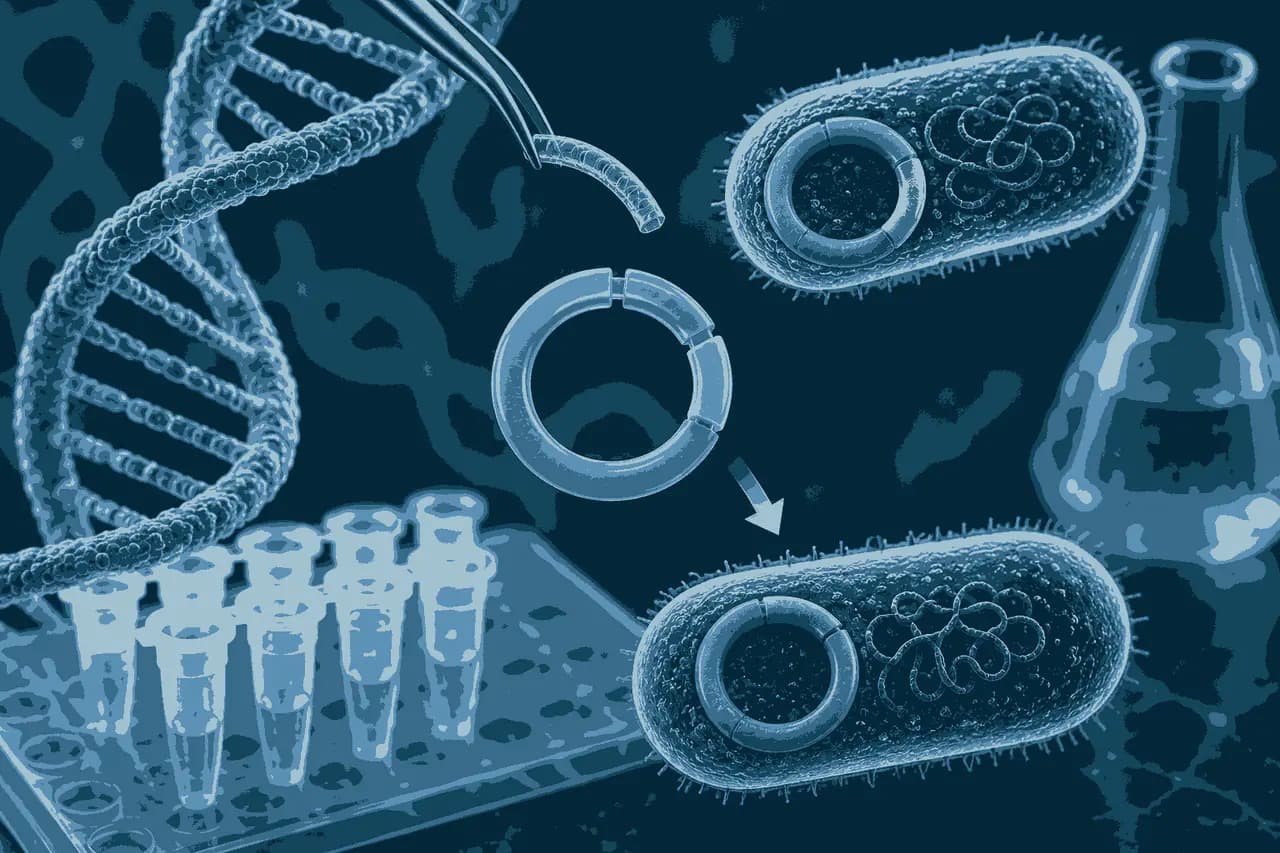
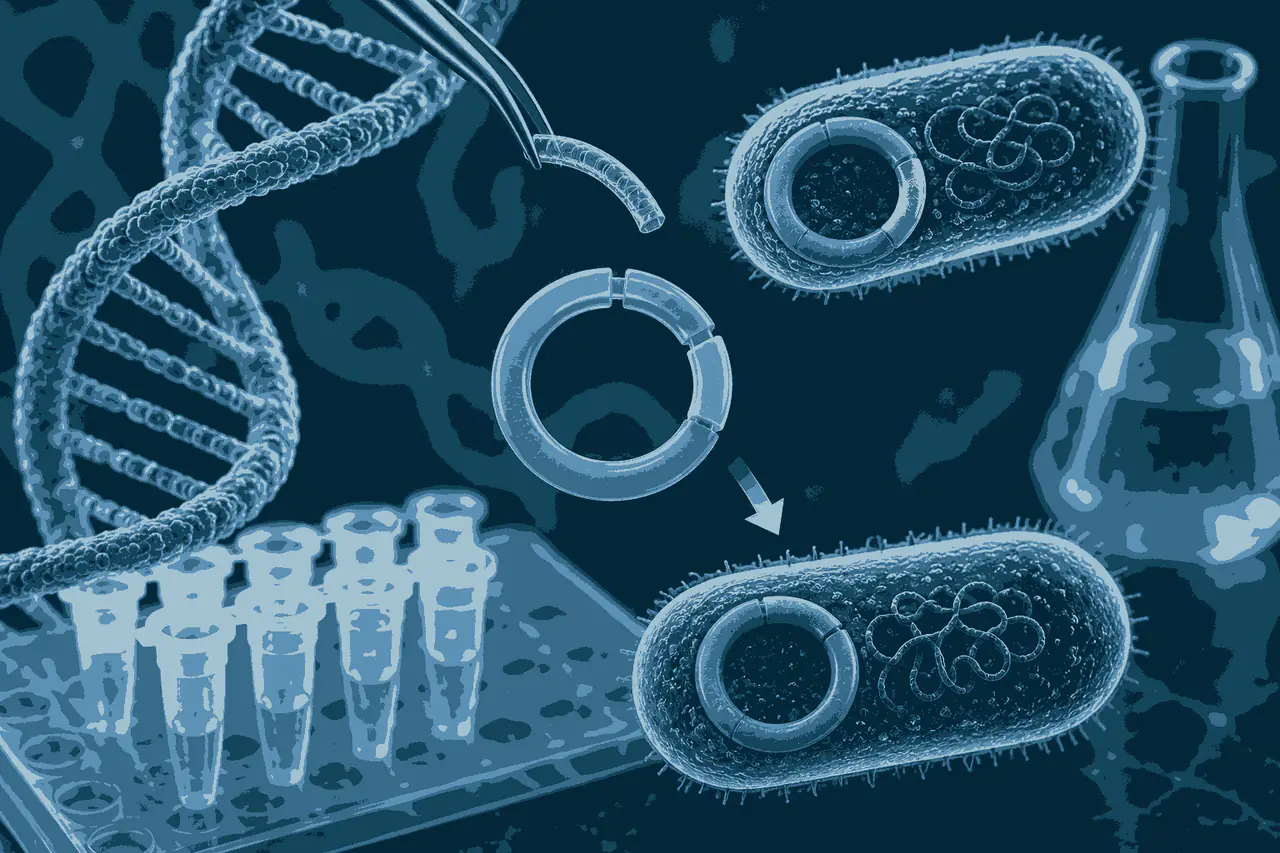
Recombinant DNA Technology Questions and Answers is an important biology topic for aspirants who want to understand genetic engineering, DNA manipulation, cloning vectors, restriction enzymes, plasmids, PCR, and biotechnology applications in a clear and exam-focused way. Recombinant DNA Technology Questions and Answers helps aspirants revise how scientists deliberately join DNA fragments from different sources to create new genetic combinations. This technology has transformed medicine, agriculture, industry, and research by allowing useful genes to be isolated, copied, transferred, and expressed in suitable host organisms. Recombinant DNA Technology Questions and Answers is useful for Class 12 Biology, NEET, nursing entrance exams, biotechnology courses, agriculture exams, and other competitive tests where genetic engineering is frequently asked. Recombinant DNA Technology Questions and Answers becomes easier when aspirants first understand the meaning of recombinant DNA. Recombinant DNA is formed when DNA from two different sources is joined together using specific enzymes and vectors. Recombinant DNA Technology Questions and Answers explains that the desired gene is first identified and isolated from the donor organism. This gene is then inserted into a vector such as a plasmid, which carries it into a host cell. Recombinant DNA Technology Questions and Answers helps aspirants remember that the host cell then multiplies and may express the inserted gene to produce a useful protein or trait. Recombinant DNA Technology Questions and Answers should be studied with the major tools of genetic engineering. Restriction endonucleases act like molecular scissors that cut DNA at specific recognition sites. DNA ligase acts like molecular glue that joins DNA fragments. This topic also includes cloning vectors such as plasmids, bacteriophages, cosmids, and artificial chromosomes. Plasmids are small circular DNA molecules found in bacteria and are commonly used as vectors. Recombinant DNA Technology Questions and Answers helps aspirants understand why plasmids are important in gene cloning. Recombinant DNA Technology Questions and Answers is closely connected with E. coli and Agrobacterium tumefaciens. E. coli is widely used as a host organism because it grows fast, is easy to culture, and can carry plasmids. Agrobacterium tumefaciens is important in plant genetic engineering because it can transfer genes into plant cells. Recombinant DNA Technology Questions and Answers helps aspirants connect these microbes with practical genetic engineering examples. The universal nature of the genetic code also makes it possible for bacteria to produce human proteins such as insulin. Recombinant DNA Technology Questions and Answers also covers PCR, or polymerase chain reaction. PCR is a technique used to amplify specific DNA sequences rapidly. Recombinant DNA Technology Questions and Answers explains that PCR requires template DNA, primers, nucleotides, DNA polymerase, and temperature cycles. PCR is used in DNA fingerprinting, diagnosis, cloning, forensic science, and research. Recombinant DNA Technology Questions and Answers helps aspirants remember that PCR made DNA manipulation faster and easier because even a small amount of DNA can be copied many times. Recombinant DNA Technology Questions and Answers is important for understanding genetically modified organisms. GM crops are produced by introducing useful genes into plants to provide traits such as pest resistance, improved nutrition, or tolerance to environmental stress. It also includes genetically engineered bacteria that produce human insulin, vaccines, enzymes, and other medical products. This topic shows how biotechnology can generate products useful to human beings. Recombinant DNA Technology Questions and Answers helps aspirants connect textbook theory with real-life biotechnology applications. Recombinant DNA Technology Questions and Answers should also include biosafety and ethical concerns. Genetically modified organisms must be carefully tested before public use because they may affect biodiversity, food safety, or ecological balance. Recombinant DNA Technology Questions and Answers explains that regulatory bodies such as GEAC in India assess the safety of genetically modified organisms. Aspirants should also know terms such as biopiracy, patenting, gene therapy, transgenic organisms, cloning, and bioinformatics. This topic becomes stronger when aspirants revise both scientific techniques and social concerns. For effective preparation, Recombinant DNA Technology Questions and Answers should be revised through flowcharts. Aspirants can remember the steps as isolation of DNA, cutting with restriction enzymes, joining with ligase, insertion into vector, transfer into host, selection of transformed cells, and expression of the desired gene. Recombinant DNA Technology Questions and Answers becomes easier when aspirants connect each step with its tool and purpose. Instead of memorising isolated facts, aspirants should understand the complete process from gene isolation to useful product formation.
30 MCQs on Recombinant DNA Technology Questions and Answers:
- The biofertilizers are
A. Cow dung, manure B. Anabaena and Azolla C. Chemical manure D. All of the above Answer: B. Anabaena and Azolla Explanation: Biofertilizers are living organisms that enrich the soil and increase nutrient availability to plants. Anabaena and Azolla are examples of biofertilizers.
- Bordeaux mixture is used as a:
A. Fertilizer B. Fungicide C. Rodenticide D. Soil testing chemical Answer: B. Fungicide Explanation: Bordeaux mixture is a combination of copper sulphate, lime, and water. It is used as a fungicide to control fungal diseases in plants.
- Natural silk contains
A. Nitrogen B. Potassium C. Magnesium D. Phosphorus Answer: A. Nitrogen Explanation: Natural silk contains proteins such as sericin and fibroin. Since proteins contain nitrogen, natural silk contains nitrogen.
- Cells in the quiescent stage, G0,
A. Show indefinite proliferation B. Remain metabolically active C. Always become cancerous D. Remain metabolically inactive Answer: B. Remain metabolically active Explanation: Cells in the G0 stage are not actively dividing, but they remain metabolically active and continue normal cellular functions.
- Lowest number of chromosomes are found in:
A. Haplopappus B. Cyprus C. Salix D. None of these Answer: A. Haplopappus Explanation: Haplopappus gracilis has one of the lowest chromosome numbers, with 2n = 4.
- Fuel wood required per person per day is:
A. 30 kg B. 3 kg C. 4 kg D. 5 kg Answer: B. 3 kg Explanation: The average fuel wood requirement per person per day is around 3 kg, depending on cooking method, climate, and stove efficiency.
- Gasohol contains:
A. 10–15% alcohol B. 20–25% alcohol C. 30–35% alcohol D. 70–80% alcohol Answer: A. 10–15% alcohol Explanation: Gasohol is a fuel mixture containing petrol and ethanol. It generally contains about 10% ethanol and 90% petrol.
- A scrubber in the exhaust of a chemical industrial plant removes:
A. Gases like sulphur dioxide B. Particulate matter of size 5 micrometer or above C. Gases like ozone and methane D. Particulate matter of size 2.5 micrometer or less Answer: A. Gases like sulphur dioxide Explanation: Scrubbers are used in industrial exhaust systems to remove gaseous pollutants such as sulphur dioxide.
- During lactic acid fermentation,
A. Neither O₂ is used, nor CO₂ is liberated B. O₂ is not used, CO₂ is liberated C. O₂ is used, CO₂ is liberated D. O₂ is used, CO₂ is not liberated Answer: A. Neither O₂ is used, nor CO₂ is liberated Explanation: During lactic acid fermentation, oxygen is not used and carbon dioxide is not released. Pyruvate is converted into lactic acid.
- The principle upon which a lactometer works is
A. Viscosity B. Density C. Surface tension D. Presence of protein Answer: B. Density Explanation: A lactometer measures the density of milk in relation to water and helps determine milk quality.
- Which of the following statements about biotechnology is incorrect?
A. Genetically modified plants can produce toxic allergic metabolites B. Change in genetic constitution under natural environmental pressure C. To stop exploitation and compensate damages, strict rules are necessary to curb biopiracy D. Biotechnology may pose unforeseen risks to the environment, including risk to biodiversity Answer: B. Change in genetic constitution under natural environmental pressure Explanation: Biotechnology involves deliberate manipulation of biological systems. Natural change under environmental pressure is related to evolution and natural selection, not biotechnology.
- What is bioinformatics concerned with?
A. Engineering techniques in biological studies B. Chemistry in understanding biological phenomenon C. Physics in understanding various life processes D. Information science in analysing biological data Answer: D. Information science in analysing biological data Explanation: Bioinformatics applies information science and computational tools to analyse biological data.
- What is the product of biotechnology?
A. Transgenic crops, GM crops B. Humulin C. Biofertilizer D. All of the above Answer: D. All of the above Explanation: Biotechnology produces useful products such as transgenic crops, genetically engineered insulin such as humulin, biofertilizers, antibodies, and other biological products.
- Which of the following are most used in genetic engineering?
A. E. coli and Agrobacterium B. Mycobacteria and Salmonella C. Aspergillus D. Penicillium Answer: A. E. coli and Agrobacterium Explanation: E. coli and Agrobacterium are widely used in genetic engineering because of their ability to carry and transfer genetic material.
- What does genetic engineering involve?
A. Use of restriction endonuclease on bacterial DNA and formation of new traits B. Use of ligase for cutting DNA C. Developing instruments D. Use of statistics in genetics Answer: A. Use of restriction endonuclease on bacterial DNA and formation of new traits Explanation: Genetic engineering involves manipulation of DNA using enzymes such as restriction endonucleases and ligases to create desired genetic changes.
- Which organization in India is responsible for assessing the safety of introducing genetically modified organisms for public use?
A. Indian Council of Medical Research, ICMR B. Council for Scientific and Industrial Research, CSIR C. Genetic Engineering Appraisal Committee, GEAC D. Research Committee on Genetic Manipulation, RCGM Answer: C. Genetic Engineering Appraisal Committee, GEAC Explanation: GEAC functions under the Ministry of Environment, Forest and Climate Change and assesses the safety of genetically modified organisms for public use.
- Which of the following pairs in the table show the correct combination of the component and its use?
| No. | Component | Use |
|---|---|---|
| 1. | Plasmid | Used as a gene carrier or vector in gene cloning |
| 2. | DNA ligase | Used for cutting DNA at specific sites |
| 3. | Restriction endonuclease | Used for joining DNA fragments |
| 4. | DNA polymerase | Used for synthesis or amplification of DNA |
Options: A. 1 and 4 B. 2 and 4 C. 1 and 3 D. 2 and 3 Answer: A. 1 and 4 Explanation: Plasmids are used as vectors or gene carriers in gene cloning, so pair 1 is correct. DNA polymerase helps in DNA synthesis and amplification, so pair 4 is also correct. DNA ligase joins DNA fragments, not cuts them, and restriction endonuclease cuts DNA, not joins it. Therefore, the correct combination is 1 and 4.
- Circular double helical DNA molecule is a:
A. Virus B. Protozoan C. Plasmid D. Phasmid Answer: C. Plasmid Explanation: A plasmid is a small, circular, double-stranded DNA molecule found outside the chromosomal DNA in many bacteria.
- Production of a human protein in bacteria by genetic engineering is possible because
A. Bacterial cell can carry out the RNA splicing reactions B. The human chromosome can replicate in bacterial cell C. The mechanism of gene regulation is identical in humans and bacteria D. The genetic code is universal Answer: D. The genetic code is universal Explanation: Human proteins can be produced in bacteria because the genetic code is nearly universal across living organisms.
- PCR is not used in
A. Lytic cycle B. DNA fingerprinting C. DNA cloning D. Gene amplification Answer: A. Lytic cycle Explanation: PCR is used for DNA amplification, DNA fingerprinting, and cloning-related processes. It is not a part of the viral lytic cycle.
- Genetic recombination by transduction in bacteria was discovered first in
A. Salmonella typhimurium B. Escherichia coli C. Streptococcus pneumoniae D. Agrobacterium tumefaciens Answer: A. Salmonella typhimurium Explanation: Transduction was discovered by Zinder and Lederberg in Salmonella typhimurium in 1951.
- Identify the vector suitable to clone long fragments of DNA:
A. Phage vectors B. Bacterial plasmids C. Yeast plasmids D. Cosmids Answer: D. Cosmids Explanation: Cosmids are vectors designed to clone large fragments of DNA and can behave partly like plasmids and phage vectors.
- Which technique involves deliberate manipulation of genes within or between species?
A. Gene therapy B. Hybridoma technology C. Tissue culture D. Genetic engineering Answer: D. Genetic engineering Explanation: Genetic engineering involves deliberate manipulation of DNA to alter the genetic makeup of an organism.
- Which of the following is produced by genetically engineered bacteria?
A. Thyroxine B. Insulin C. Glucagon D. ADH Answer: B. Insulin Explanation: Human insulin is produced by genetically engineered bacteria such as E. coli.
- The two microbes found to be very useful in genetic engineering are
A. Diplococcus sp. and Pseudomonas sp. B. Escherichia coli and Agrobacterium tumefaciens C. Caenorhabditis elegans and crown gall bacterium D. Trichoderma sp. and Aspergillus sp. Answer: B. Escherichia coli and Agrobacterium tumefaciens Explanation: E. coli and Agrobacterium tumefaciens are highly useful in genetic engineering due to their plasmids and gene transfer abilities.
- Manipulation of DNA in genetic engineering became easy due to the invention of:
A. Polymerase chain reaction B. Dot blot C. Enzyme-linked immunosorbent assay D. Eastern blotting Answer: A. Polymerase chain reaction Explanation: Polymerase Chain Reaction, or PCR, made DNA manipulation easier by allowing rapid amplification of specific DNA sequences.
- What does a genetic map establish?
A. Establishes sites of the genes on a chromosome B. Establishes the various stages in gene evolution C. Shows the stages during cell division D. Shows the distribution of various species in a region Answer: A. Establishes sites of the genes on a chromosome Explanation: A genetic map shows the position and relative distance of genes on a chromosome.
- What is the branch of science concerned with improving the quality of human populations by the application of genetic principles?
A. Symptomatic treatment of genetic diseases B. Improving the quality of human populations by providing the best suitable environment C. Improving the quality of human race by symptomatic treatment of genetic diseases D. None of the above Answer: C. Improving the quality of human race by symptomatic treatment of genetic diseases Explanation: The concept referred to here is eugenics, which deals with improving the genetic quality of human populations. Among the given options, option C is marked as the closest answer.
- When scientists make an animal superior by introducing some foreign genes in it, what is this process called?
A. Immunization B. Genetic engineering C. Tissue culture D. Biotechnology Answer: B. Genetic engineering Explanation: Introducing foreign genes into an animal to produce desired traits is called genetic engineering.
- Which organelle or structure is related to genetic engineering?
A. Mitochondria
B. Plasmids
C. Golgi bodies
D. Lysosomes
Answer: B. Plasmids
Explanation: Plasmids are extra-chromosomal circular DNA molecules used as vectors in genetic engineering.
Conclusion on Recombinant DNA Technology Questions and Answers
In conclusion, Recombinant DNA Technology Questions and Answers is a valuable topic for aspirants preparing biotechnology and genetics. It improves understanding of restriction enzymes, plasmids, ligase, PCR, cloning vectors, host cells, GM crops, insulin production, and biosafety. Recombinant DNA Technology Questions and Answers also helps aspirants connect molecular biology with medicine, agriculture, industry, and environmental responsibility. With regular revision, Recombinant DNA Technology Questions and Answers can help aspirants answer biotechnology-based questions with confidence, speed, and conceptual clarity.
Related reading
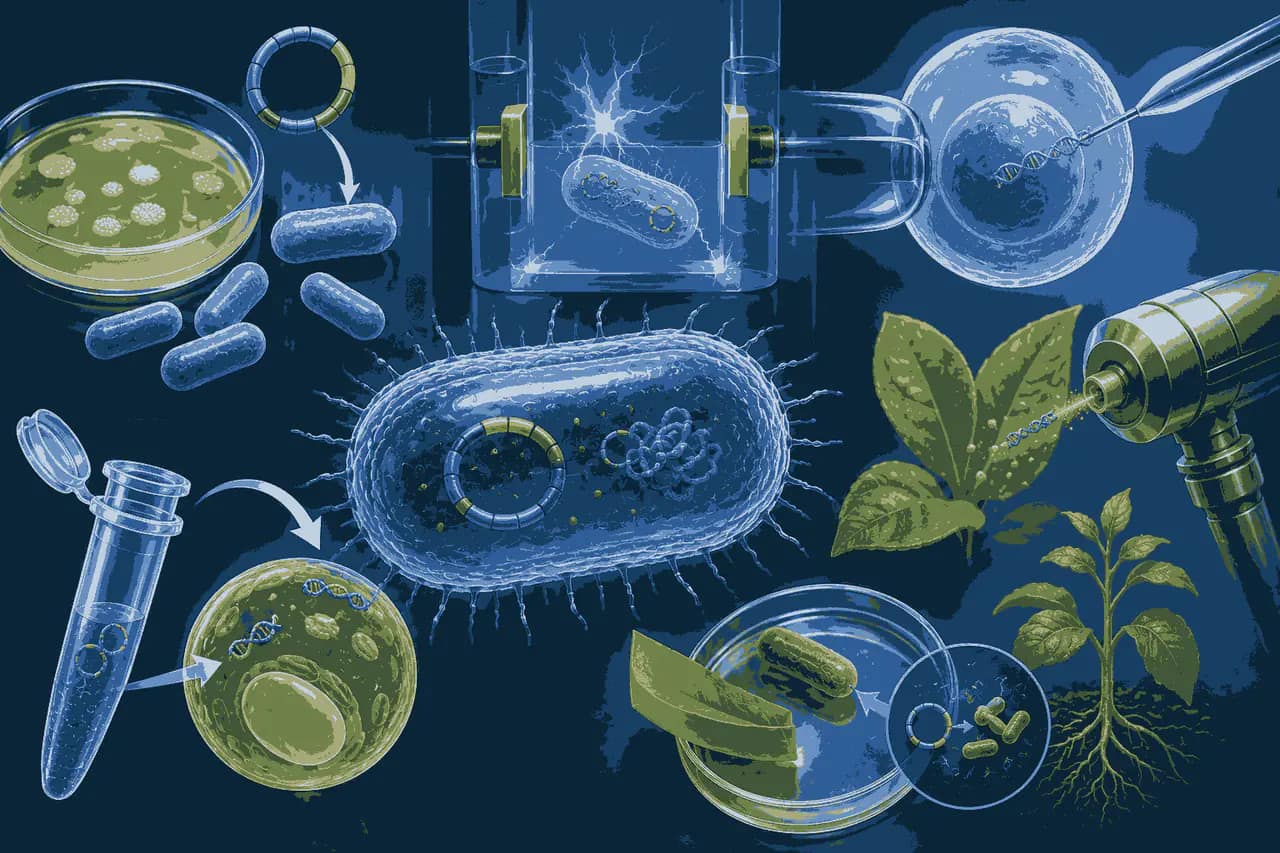
Expert DNA Transformation Methods MCQs with Answers: Crack Class 12 Biology Easily
Explore DNA Transformation Methods MCQs with Answers covering competent cells, electroporation, gene gun, microinjection , PEG method , Agrobacterium, and rDNA .
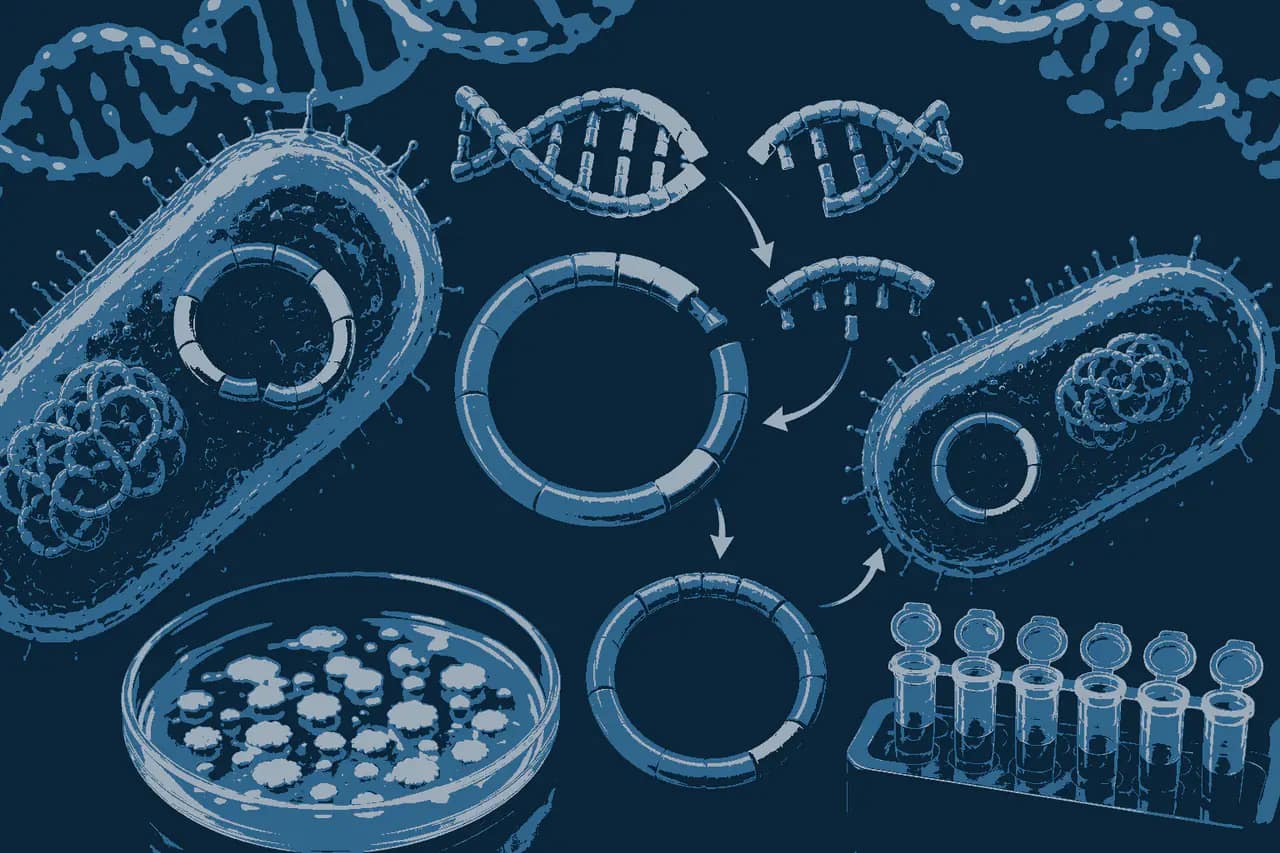
Cloning Vector MCQs with Answers Class 12 - Powerful Practice for Top Marks
Explore Cloning Vector MCQs with Answers Class 12 covering plasmids, ori, selectable markers, restriction sites, pBR322, gene cloning and rDNA revision for NEET