Preparing for board exams becomes much easier when aspirants focus on concept-based learning along with practice. One such important topic in Class 12 Biology is pollination, which includes mechanisms like wind, water, and animal pollination. To strengthen understanding, many aspirants rely on Pollination mechanisms and floral rewards mcqs class 12 Biology with answers as a reliable study approach. These resources help aspirants grasp both theoretical and application-based concepts effectively.
Understanding pollination mechanisms is crucial because it explains how plants reproduce and maintain biodiversity. When aspirants study through Pollination mechanisms and floral rewards mcqs class 12 Biology with answers, they learn how different pollination types such as anemophily, hydrophily, and zoophily operate in nature. This repeated exposure through Pollination mechanisms and floral rewards mcqs class 12 Biology with answers allows aspirants to identify patterns and confidently solve exam questions.
Floral rewards play an equally important role in pollination. Plants attract pollinators by offering nectar, pollen, fragrance, and bright colors. By practicing Pollination mechanisms and floral rewards mcqs class 12 Biology with answers, aspirants can easily understand why certain flowers are adapted for specific pollinators. For instance, insect-pollinated flowers are usually colorful and fragrant, a concept frequently tested in Pollination mechanisms and floral rewards mcqs class 12 Biology with answers.
Moreover, Pollination mechanisms and floral rewards mcqs class 12 Biology with answers help aspirants differentiate between self-pollination and cross-pollination. These distinctions are essential for scoring well, as examiners often include tricky conceptual questions. Regular practice with Pollination mechanisms and floral rewards mcqs class 12 Biology with answers ensures that aspirants avoid confusion and improve accuracy.
Another advantage of using Pollination mechanisms and floral rewards mcqs class 12 Biology with answers is that they enhance retention. When aspirants repeatedly encounter concepts like cleistogamy, geitonogamy, and xenogamy, they develop a deeper understanding. This makes Pollination mechanisms and floral rewards mcqs class 12 Biology with answers an excellent revision tool before exams.
In addition, Pollination mechanisms and floral rewards mcqs class 12 Biology with answers provide insight into real-life biological interactions. For example, the mutualistic relationship between flowers and pollinators becomes clearer when studied through Pollination mechanisms and floral rewards mcqs class 12 Biology with answers. This not only helps in exams but also builds a strong conceptual foundation for higher studies.
Time management is another critical factor during exam preparation. Practicing Pollination mechanisms and floral rewards mcqs class 12 Biology with answers allows aspirants to improve speed and efficiency. As aspirants solve more questions from Pollination mechanisms and floral rewards mcqs class 12 Biology with answers, they become familiar with question patterns and reduce the chances of making mistakes under pressure.
Furthermore, Pollination mechanisms and floral rewards mcqs class 12 Biology with answers are highly beneficial for competitive exams like NEET. These exams often test conceptual clarity, and consistent practice with Pollination mechanisms and floral rewards mcqs class 12 Biology with answers ensures that aspirants are well-prepared. The structured format of Pollination mechanisms and floral rewards mcqs class 12 Biology with answers also helps in quick revision during the last few days before exams.
Another important aspect is the role of floral adaptations. By studying Pollination mechanisms and floral rewards mcqs class 12 Biology with answers, aspirants learn how structural modifications in flowers facilitate pollination. This includes features like long stamens, sticky pollen, and specialized shapes, all commonly covered in Pollination mechanisms and floral rewards mcqs class 12 Biology with answers.
Consistency is key when it comes to mastering Biology concepts. Aspirants who regularly practice Pollination mechanisms and floral rewards mcqs class 12 Biology with answers are more likely to retain information and perform better in exams. These MCQs not only test knowledge but also encourage logical thinking, making Pollination mechanisms and floral rewards mcqs class 12 Biology with answers an essential part of preparation.
Pollination mechanisms and Floral Rewards MCQs Class 12 Biology with Answers:
1.
Wind pollination is common in:
A. Orchids
B. Legumes
C. Lilies
D. Grasses
Answer: D
Explanation: Wind pollination (anemophily) is most common in grasses, where pollen grains are light, dry, and produced in large quantities.
2.
Anemophily type of pollination is found in:
A. Salvia
B. Bottle brush
C. Vallisneria
D. Coconut
Answer: D
Explanation: Anemophily refers to wind pollination, which occurs in plants like coconut where pollen is carried by air.
3.
Chiropterophily means:
A. Wind pollination
B. Insect pollination
C. Snail pollination
D. Bat pollination
Answer: D
Explanation: Pollination carried out by bats is called chiropterophily.
4.
Match fungi classes with examples:
A. (1-p, 2-s, 3-r, 4-q)
B. (1-q, 2-p, 3-s, 4-r)
C. (1-r, 2-p, 3-q, 4-s)
D. (1-r, 2-p, 3-s, 4-q)
Answer: D
Explanation: Correct matches are:
Phycomycetes → Albugo
Ascomycetes → Penicillium
Basidiomycetes → Puccinia
Deuteromycetes → Alternaria
5.
Match pollination types:
A. A-o; B-m; C-q; D-n
B. A-m; B-q; C-n; D-o
C. A-n; B-o; C-m; D-q
D. A-q; B-p; C-o; D-n
Answer: C
Explanation:
Cleistogamy → Bud pollination
Geitonogamy → Same plant flowers
Entomophily → Insect pollination
Xenogamy → Cross pollination
6.
Hydrophily is pollination by:
A. Air
B. Water
C. Animals
D. Self
Answer: B
Explanation: Hydrophily occurs in aquatic plants where water carries pollen
7.
Unisexual flowers prevent:
A. Geitonogamy only
B. Autogamy only
C. Autogamy but not geitonogamy
D. Both geitonogamy & xenogamy
Answer: C
Explanation: Unisexual flowers cannot self-pollinate (autogamy), but pollination between flowers of the same plant (geitonogamy) is still possible.
8.
Not a cross-pollination device:
A. Herkogamy
B. Dichogamy
C. Cleistogamy
D. Heterostyly
Answer: C
Explanation: Cleistogamy promotes self-pollination, as flowers do not open.
9.
Assertion- Fig plant and Blastophaga wasp show a mutualistic relationship
Reason- The Blastophaga wasp gets a site for reproduction, while the fig flower gets pollination
A. Both true, R explains A
B. Both true, no explanation
C. A true, R false
D. A false, R true
Answer: A
Explanation: Fig and Blastophaga wasp show mutualism, where both benefit.
10.
Type of association:
A. Mutualism
B. Commensalism
C. Cooperation
D. Co-evolution
Answer: A
Explanation: Both plant and insect benefit → mutualism.
11.
Cleistogamy statements:
A. I false, II true
B. Both true
C. Both false
D. I true, II false
Answer: B
Explanation: Cleistogamous flowers are always self-pollinated and lack cross-pollination.
12.
Incorrect statement:
A. Moths dominate pollination
B. Water pollination rare
C. Wind pollination common
D. Foul odour attracts flies
Answer: A
Explanation: Bees are the most dominant pollinators, not moths.
13.
Pollination in water hyacinth:
A. Water only
B. Wind + water
C. Insects + water
D. Insects or wind
Answer: D
Explanation: Water hyacinth is pollinated by insects or wind, not water.
14.
Incorrect for wind pollination:
A. Light pollen
B. Exposed stigma
C. Many ovules
D. Small flowers
Answer: C
Explanation: Wind-pollinated plants usually have one ovule, not many.
15.
Transfer between different plants:
A. Cleistogamy
B. Xenogamy
C. Geitonogamy
D. Chasmogamy
Answer: B
Explanation: Xenogamy ensures genetic variation.
16.
Floral rewards:
A. Nectar & pollen
B. Fragrance
C. Exudates
D. Colour
Answer: A
Explanation: Pollinators are attracted by nectar and pollen.
17.
Incorrect statement:
A. Allergy pollen
B. Foul odour flowers
C. Honey from pollen
D. Nutrient pollen
Answer: C
Explanation: Honey is made from nectar, not pollen.
18.
Genetically like autogamy:
A. Xenogamy
B. Apogamy
C. Cleistogamy
D. Geitonogamy
Answer: D
Explanation: Geitonogamy is genetically similar to self-pollination.
19.
Transmission tissue found in:
A. Solid style
B. Dry stigma
C. Wet stigma
D. Hollow style
Answer: A
Explanation: Solid style contains transmitting tissue for pollen tube growth.
20.
Pollination in Vallisneria:
A. Water carries flowers
B. Submerged
C. Insects
D. Wind
Answer: A
Explanation: Male flowers float and reach female flowers → epihydrophily.
21.
Dioecious plants prevent:
A. Autogamy & xenogamy
B. Autogamy & geitonogamy
C. Geitonogamy & xenogamy
D. Cleistogamy
Answer: B
Explanation: Separate plants → no self-pollination possible.
22.
Attractants needed for:
A. Wind
B. Insects
C. Water
D. Self
Answer: B
Explanation: Insects need visual and nectar rewards.
23.
Few ovules → pollinated by:
A. Birds
B. Wind
C. Bees
D. Butterflies
Answer: B
Explanation: Wind pollination compensates with large pollen quantity.
24.
Pollination occurs in:
A. Bryophytes
B. Pteridophytes
C. Angiosperms & Gymnosperms
D. Fungi
Answer: C
Explanation: Only seed plants require pollination.
25.
Pollination in Rafflesia:
A. Carrion flies
B. Elephant
C. Bat
D. Crow
Answer: A
Explanation: Rafflesia emits foul smell to attract flies.
26.
Rafflesia pollination type:
A. Sapromyophily
B. Ophiophily
C. Therophily
D. Amorphophallus
Answer: A
Explanation: Pollination by carrion flies = sapromyophily.
27.
Mesogamy refers to:
A. Fusion
B. Gamete fusion
C. Entry via integuments
D. None
Answer: C
Explanation: Pollen tube enters through integuments.
28.
Xenogamy is:
A. Cleistogamy
B. Allogamy
C. Autogamy
D. Homogamy
Answer: B
Explanation: Xenogamy is a type of cross-pollination (allogamy).
29.
Ornithophily is pollination by:
A. Insects
B. Birds
C. Snails
D. Air
Answer: B
Explanation: Birds act as pollinators.
30.
Zoophily means pollination by:
A. Invertebrates
B. Animals
C. Wind
D. Air
Answer: B
Explanation: Zoophily includes pollination by animals (vertebrates).

Conclusion on Pollination Mechanisms and Floral Rewards MCQs Class 12 Biology with Answers
In conclusion, Pollination mechanisms and floral rewards mcqs class 12 Biology with answers serve as a powerful learning tool for aspirants aiming to excel in their exams. They simplify complex concepts, improve retention, and enhance problem-solving skills. By consistently practicing Pollination mechanisms and floral rewards mcqs class 12 Biology with answers, aspirants can build confidence, achieve better results, and develop a deeper understanding of plant reproduction.
Related reading
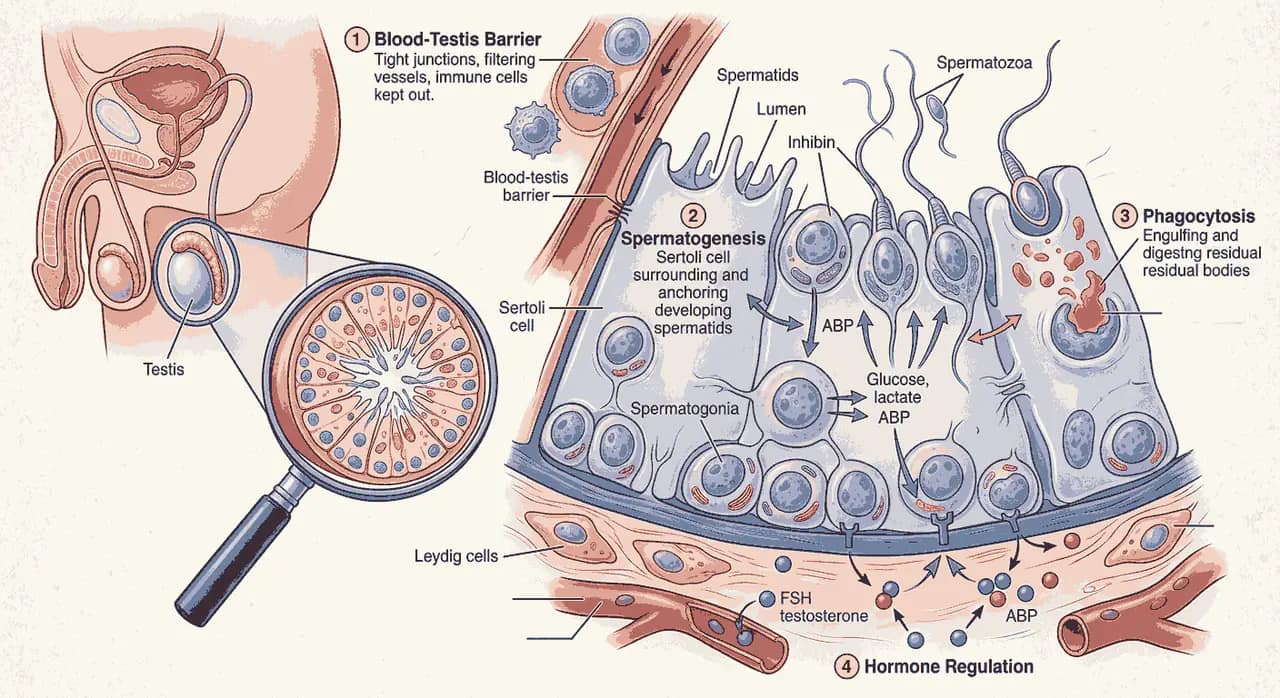
Master Sertoli Cells Location and Function MCQs With Answers for Class 12 Biology
Master Sertoli Cells Location and Function MCQs With Answers for Class 12 Biology with clear explanations, key concepts , and exam-focused preparation to boost,
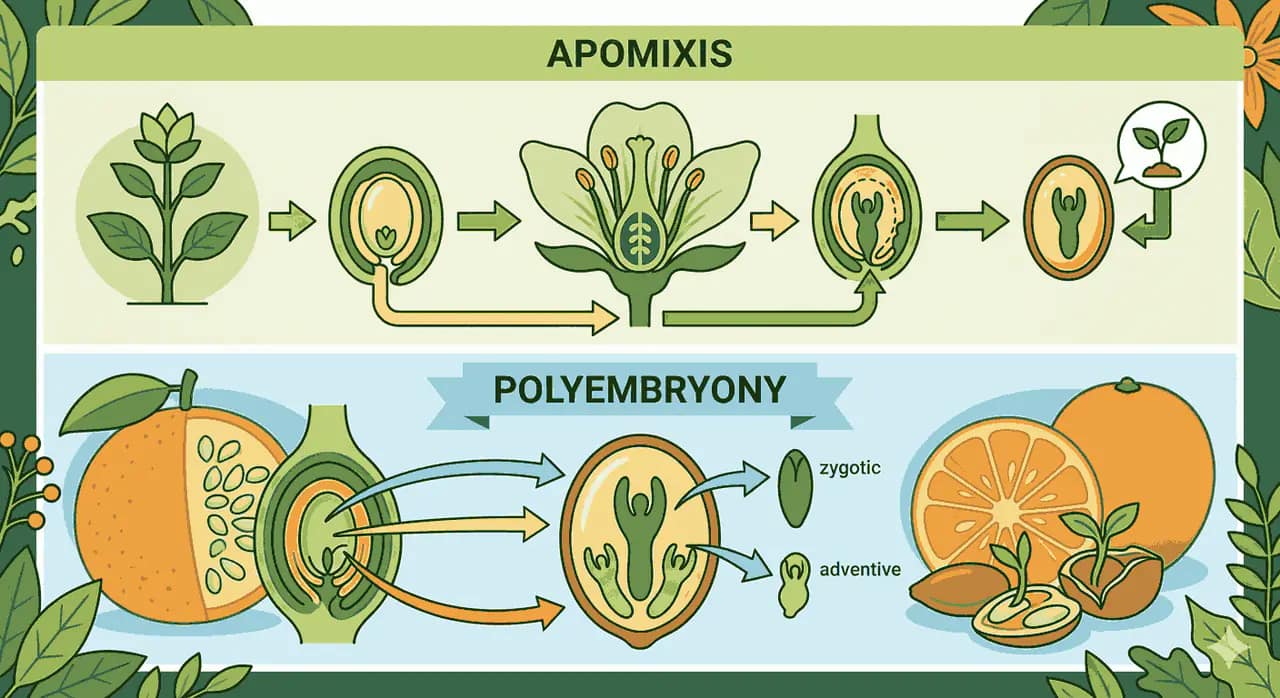
Stop Losing Marks: Apomixis and polyembryony MCQs class 12 biology with answers pdf
Master concepts with Apomixis and polyembryony MCQs class 12 biology with answers pdf, boost exam preparation, improve accuracy, and score higher in board ,NEET