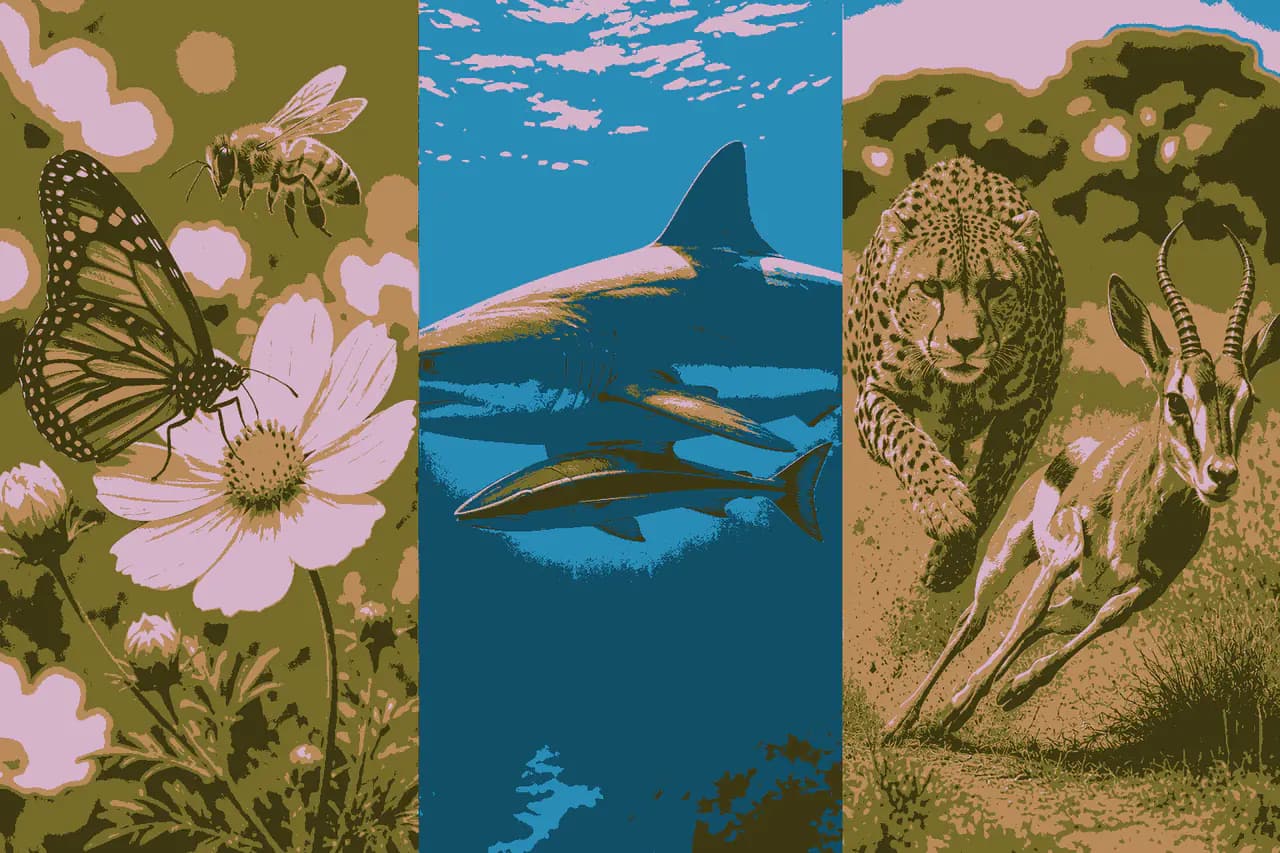
Mutualism Commensalism and Predation MCQs is an important ecology topic for aspirants who want to understand organism interactions, community structure, food relationships, and survival strategies in a simple exam-focused manner. Mutualism Commensalism and Predation MCQs helps aspirants revise how living organisms depend on one another for food, shelter, protection, reproduction, and ecological balance. In ecology, no organism lives completely alone; every species interacts with other species in different ways. Some interactions benefit both partners, some benefit only one partner, and some involve one organism feeding on another. Mutualism Commensalism and Predation MCQs is useful for Class 12 Biology, NEET, nursing entrance exams, agriculture exams, and other biology-based competitive tests. Mutualism Commensalism and Predation MCQs becomes easier when aspirants first understand mutualism. Mutualism is an interaction in which both organisms benefit from the relationship. Mutualism Commensalism and Predation MCQs explains examples such as lichens, where algae and fungi live together and support each other. The alga prepares food by photosynthesis, while the fungus provides protection, water, and mineral support. Another common example is the relationship between flowering plants and pollinating animals. Mutualism Commensalism and Predation MCQs helps aspirants remember that when plants provide nectar or pollen and animals help in pollination, both sides gain benefit. Mutualism Commensalism and Predation MCQs also includes examples like fig trees and wasps, where pollination and reproduction are closely linked. In many cases, mutualistic relationships are highly specific and essential for survival. Mutualism Commensalism and Predation MCQs teaches that mutualism may be obligatory or facultative. Obligatory mutualism means the partners depend strongly on each other, while facultative mutualism means the relationship is useful but not always essential. Mutualism Commensalism and Predation MCQs helps aspirants identify mutualistic examples quickly by asking whether both partners receive benefit. Commensalism is another important interaction covered in Mutualism Commensalism and Predation MCQs. In commensalism, one organism benefits while the other organism is neither harmed nor benefited. Mutualism Commensalism and Predation MCQs explains examples such as remora fish attached to sharks. The remora gets transport and leftover food, while the shark remains mostly unaffected. Another example is an orchid growing on a tree branch. The orchid gets support and better access to light, while the tree is not harmed. Mutualism Commensalism and Predation MCQs helps aspirants separate commensalism from mutualism by checking whether both organisms benefit or only one benefits. Mutualism Commensalism and Predation MCQs also teaches predation, an interaction in which one organism, called the predator, kills and eats another organism, called the prey. Predation is important in nature because it helps regulate population size and maintain ecological balance. Mutualism Commensalism and Predation MCQs includes examples such as lion and deer, tiger and herbivores, snake and frog, and insectivorous birds feeding on insects. Predation may seem harmful to prey, but at the ecosystem level it prevents overpopulation and supports natural selection. This section helps aspirants understand that predators often remove weak, diseased, or old individuals from prey populations. Mutualism Commensalism and Predation MCQs is closely related to adaptations. Predators have adaptations such as sharp claws, powerful jaws, speed, camouflage, venom, or keen eyesight. Prey organisms have adaptations such as protective coloration, mimicry, spines, shells, toxins, alarm calls, and group living. This topic becomes stronger when aspirants connect these adaptations with survival. For example, monarch butterflies use chemical defence, while insects and frogs may use camouflage to escape predators. Mutualism Commensalism and Predation MCQs helps aspirants revise ecological interactions along with evolution and adaptation. Mutualism Commensalism and Predation MCQs should also be studied with related terms such as competition, parasitism, amensalism, and biological control. Competition occurs when organisms use the same limited resource. Parasitism benefits one organism while harming the host. Amensalism harms one organism while the other remains unaffected. This topic becomes easier when aspirants compare all interaction types in a table. The key is to identify who benefits, who is harmed, and who remains unaffected. Mutualism Commensalism and Predation MCQs supports quick revision because most exam questions test examples and relationship symbols. For effective preparation, Mutualism Commensalism and Predation MCQs should be revised through examples from plants, animals, microbes, and ecosystems. Aspirants should remember examples like lichen, mycorrhiza, pollination, remora and shark, orchid and tree, predator and prey, and biological control agents. This revision approach improves conceptual clarity when aspirants avoid rote memorisation and instead understand the ecological role of each interaction. Mutualism Commensalism and Predation MCQs also helps aspirants interpret passage-based questions, diagram-based questions, and assertion-reason type questions.
Mutualism Commensalism and Predation MCQs:
- Which of the following is an example of mutualism as described in the passage?
A. Predation B. Competition C. Commensalism D. Mutualism Answer: D. Mutualism Explanation: Mutualism is an interaction between two organisms in which both partners are benefited. A common example is the relationship between fungus and algae in lichen.
- Plants offering rewards to animals in the form of pollen and nectar, and animals facilitating the pollination process, is an example of which type of interaction?
A. Commensalism B. Mutualism C. Amensalism D. Competition Answer: B. Mutualism Explanation: This is an example of mutualism because plants get pollinated and animals receive food in the form of nectar or pollen.
- In the interaction between a leopard and a lion in a forest or grassland, what type of interaction is described?
A. Competition B. Brood parasitism C. Mutualism D. Commensalism Answer: A. Competition Explanation: Leopard and lion may occupy similar niches and compete for resources such as food and space. Therefore, their interaction is competition.
- Dragonflies play an important role because they:
A. Are pollinating agents B. Feed entirely on mosquito adults and mosquito larvae C. Add to silvan beauty D. Are vectors for disease-carrying germs Answer: B. Feed entirely on mosquito adults and mosquito larvae Explanation: Dragonflies feed on mosquito adults and larvae, helping to control mosquito populations. They act as biological control agents.
- The microbial biocontrol agent for butterfly caterpillar is
A. Bacillus thuringiensis B. Saccharomyces C. Lactobacillus D. Cyanobacteria Answer: A. Bacillus thuringiensis Explanation: Bacillus thuringiensis produces toxins that are harmful to certain insect larvae, especially caterpillars of moths and butterflies.
- When a natural predator or living organism is applied to another pathogen organism to control it, this process is called:
A. Biological control B. Genetic engineering C. Artificial control D. Confusion technique Answer: A. Biological control Explanation: Biological control, or biocontrol, is the use of living organisms such as microbes, insects, or predators to control pests and pathogens.
- Trichoderma harzianum has proved to be a useful microorganism for
A. Bioremediation of contaminated soils B. Reclamation of wastelands C. Gene transfer in higher plants D. Biological control of soil-borne plant pathogens Answer: D. Biological control of soil-borne plant pathogens Explanation: Trichoderma harzianum is a fungus used as a biocontrol agent against several soil-borne plant pathogens.
- Trichoderma fungus acts as a
A. Biofertilizer B. Bioremediation agent C. Biopesticide D. Biocontrol agent Answer: D. Biocontrol agent Explanation: Trichoderma is a free-living fungus found in root ecosystems. It controls several plant pathogens and acts as a biocontrol agent.
- Which among the following microbes are commonly employed in the dairy industry?
A. Lactobacillus, Streptomyces, Penicillium B. Saccharomyces, Streptomyces, Aspergillus C. Eremothecium, Rhizopus, Acetobacter D. Pseudomonas, Penicillium, Saccharomyces Answer: A. Lactobacillus, Streptomyces, Penicillium Explanation: Lactobacillus is used in fermented dairy products, Penicillium is used in cheese production, and Streptomyces is associated with antibiotic production used in dairy-related disease control.
- A common biocontrol agent for the control of plant diseases is
A. Agrobacterium B. Glomus C. Trichoderma D. Baculovirus Answer: C. Trichoderma Explanation: Trichoderma is a fungal biocontrol agent found in soil and root ecosystems. It controls several plant pathogens.
- Match the following columns and select the correct option.
Column I: A. Dragonflies B. Bacillus thuringiensis C. Glomus D. Baculoviruses Column II: i. Get rid of aphids and mosquitoes ii. Biocontrol agents of several plant pathogens iii. Absorb phosphorus from soil iv. Biocontrol agents of lepidopteran plant pests v. Narrow spectrum insecticidal applications Options: A. A-ii, B-iv, C-v, D-iii B. A-iii, B-v, C-iv, D-i C. A-ii, B-i, C-iii, D-iv D. A-ii, B-iii, C-iv, D-v Answer: Correct matching is A-i, B-iv, C-iii, D-v Explanation: Dragonflies help control aphids and mosquitoes, Bacillus thuringiensis controls lepidopteran pests, Glomus helps absorb phosphorus from soil, and baculoviruses are used for narrow spectrum insecticidal applications. The given printed options do not exactly match the correct combination.
- According to the passage, which type of ecological interaction involves a relationship where one species is destroyed or inhibited while the other remains unaffected?
A. Mutualism B. Commensalism C. Amensalism D. Parasitism Answer: C. Amensalism Explanation: Amensalism is an interaction in which one species is harmed or inhibited while the other remains unaffected.
- In ecological interactions, what term describes an association where one species is benefitted and the other is neither benefitted nor harmed?
A. Amensalism B. Commensalism C. Mutualism D. Predation Answer: B. Commensalism Explanation: Commensalism is an interaction where one organism benefits while the other is unaffected.
- In the scenario where a small fish gets stuck near the bottom of a shark and derives its nutrition from it, what type of ecological association is this?
A. Antibiosis B. Commensalism C. Predation D. Parasitism Answer: B. Commensalism Explanation: The small fish benefits from the shark, while the shark is neither harmed nor benefited. This is commensalism.
- What is the term used to describe an association of animals belonging to different species where both partners are benefitted?
A. Commensalism B. Mutualism C. Colony D. Sympathy Answer: B. Mutualism Explanation: Mutualism is an interaction between two different species in which both organisms are benefited.
- In ecological interactions, which of the following correctly matches the items in Column I with those in Column II based on the provided information?
A. A-i, B-iii, C-iv, D-ii B. A-iv, B-ii, C-i, D-iii C. A-iii, B-ii, C-iv, D-i D. A-ii, B-i, C-iii, D-iv Answer: C. A-iii, B-ii, C-iv, D-i Explanation: The correct match according to the provided answer key is A-iii, B-ii, C-iv, and D-i. The specific column items were not included in the pasted text.
- Who stated the principle of competitive exclusion?
A. C. Darwin B. G. F. Gause C. MacArthur D. Verhulst and Pearl Answer: B. G. F. Gause Explanation: The principle of competitive exclusion was stated by G. F. Gause. It says that two closely related species competing for the same resources cannot coexist indefinitely.
- Which of the following characteristics is correct for r-selected species based on the passage?
A. Large number of progeny with small size B. Large number of progeny with large size C. Small number of progeny with small size D. Small number of progeny with large size Answer: A. Large number of progeny with small size Explanation: r-selected species produce a large number of small offspring and usually provide little parental care.
- Which of the following is a correct group of biocontrol agents based on the passage?
A. Trichoderma, Baculovirus, Bacillus thuringiensis B. Oscillatoria, Rhizobium, Trichoderma C. Nostoc, Azospirillum, Nucleopolyhedrovirus D. Bacillus thuringiensis, Tobacco mosaic virus, Aphids Answer: A. Trichoderma, Baculovirus, Bacillus thuringiensis Explanation: Trichoderma, baculoviruses, and Bacillus thuringiensis are all used as biocontrol agents.
- Which of the following can be used as a biocontrol agent in the treatment of plant disease?
A. Chlorella B. Anabaena C. Lactobacillus D. Trichoderma Answer: D. Trichoderma Explanation: Trichoderma species are used as biocontrol agents against plant diseases caused by pathogenic fungi and other soil-borne pathogens.
- A biocontrol agent to be a part of integrated pest management should be
A. Species-specific and inactive on non-target organisms B. Species-specific and symbiotic C. Free living and broad spectrum D. Narrow spectrum and symbiotic Answer: A. Species-specific and inactive on non-target organisms Explanation: A good biocontrol agent should be species-specific, narrow spectrum, and safe for non-target organisms.
- Which of the following is a correct statement based on the passage?
A. Acetobacter aceti produces citric acid B. Saccharomyces cerevisiae is used as clot buster C. Penicillium notatum restricts the growth of Staphylococci D. Methanogens are found in aerobic conditions Answer: C. Penicillium notatum restricts the growth of Staphylococci Explanation: Penicillium notatum produces penicillin, an antibiotic that restricts the growth of bacteria such as Staphylococci.
- The first bioherbicide developed in 1981 was based on:
A. Phytophthora palmivora B. Phytophthora infestans C. Bacillus thuringiensis D. Azadirachta indica Answer: A. Phytophthora palmivora Explanation: Phytophthora palmivora was used in the first bioherbicide developed in 1981 to control weeds such as milkweed in citrus orchards.
- Which one of the following proved effective for biological control of nematodal disease in plants?
A. Gliocladium virens B. Paecilomyces lilacinus C. Pisolithus tinctorius D. Pseudomonas cepacia Answer: B. Paecilomyces lilacinus Explanation: Paecilomyces lilacinus is a fungus used as a biocontrol agent against plant-parasitic nematodes.
- A genetically engineered microorganism used successfully in bioremediation of oil spills is a species of:
A. Bacillus B. Pseudomonas C. Trichoderma D. Xanthomonas Answer: B. Pseudomonas Explanation: Genetically engineered Pseudomonas putida has been used for bioremediation of oil spills by degrading hydrocarbons.
- Which of the following is a common biocontrol agent for the control of plant diseases?
A. Baculovirus B. Bacillus thuringiensis C. Glomus D. Trichoderma Answer: D. Trichoderma Explanation: Trichoderma is a fungal biocontrol agent used to control plant diseases, especially fungal diseases.
- Which of the following is not used as a biopesticide?
A. Xanthomonas campestris B. Bacillus thuringiensis C. Trichoderma harzianum D. Nuclear Polyhedral Virus, NPV Answer: A. Xanthomonas campestris Explanation: Xanthomonas campestris is a plant pathogen that causes black rot disease and is not used as a biopesticide.
- Identify the incorrect statement with reference to biocontrol agents.
A. They help to increase the use of synthetic pesticides B. They do not affect non-target pests C. They do not show any negative impact on crop plants D. They are significant in treating ecologically sensitive areas Answer: A. They help to increase the use of synthetic pesticides Explanation: Biocontrol agents reduce the need for synthetic pesticides. They are generally safer for non-target organisms and ecologically sensitive areas.
- Which of the following bio-engineered bacteria is utilized for cleaning marine oil slicks?
A. Escherichia coli B. Pseudomonas syringae C. Pseudomonas putida D. Rhizoctonia solani Answer: C. Pseudomonas putida Explanation: Pseudomonas putida is a genetically engineered bacterium used to degrade hydrocarbons and clean oil spills.
- Which of the following can be controlled by using biopesticides?
A. Insects
B. Diseases
C. Weeds
D. All of these
Answer: D. All of these
Explanation: Biopesticides can be used to control insects, plant diseases, and weeds. They are usually safer and more environmentally friendly than many chemical pesticides.

Conclusion on Mutualism Commensalism and Predation MCQs
In conclusion, Mutualism Commensalism and Predation MCQs is a valuable ecology topic for aspirants preparing for Class 12 Biology and competitive exams. It improves understanding of species relationships, ecosystem balance, population control, adaptation, and survival. The topic helps aspirants distinguish between beneficial, neutral, and harmful ecological associations with confidence. With regular revision, Mutualism Commensalism and Predation MCQs can help aspirants answer ecology-based questions with better speed, accuracy, and conceptual strength.
Related reading
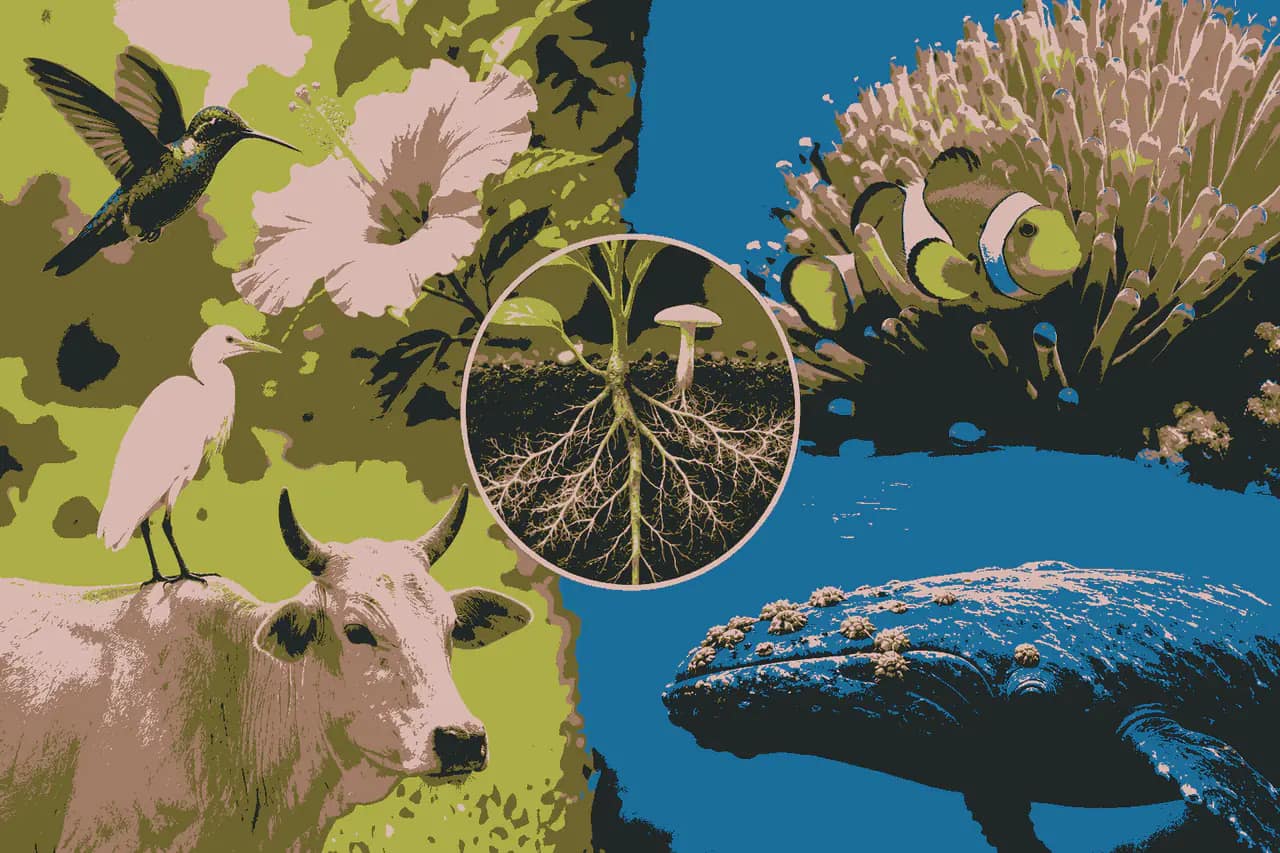
Powerful Mutualism and Commensalism Class 12 MCQs for Exam
Revise mutualism and Commensalism Class 12 MCQs covering positive interactions, pollination, mycorrhizae, cattle egret, commensalism, co-evolution, and ecology.
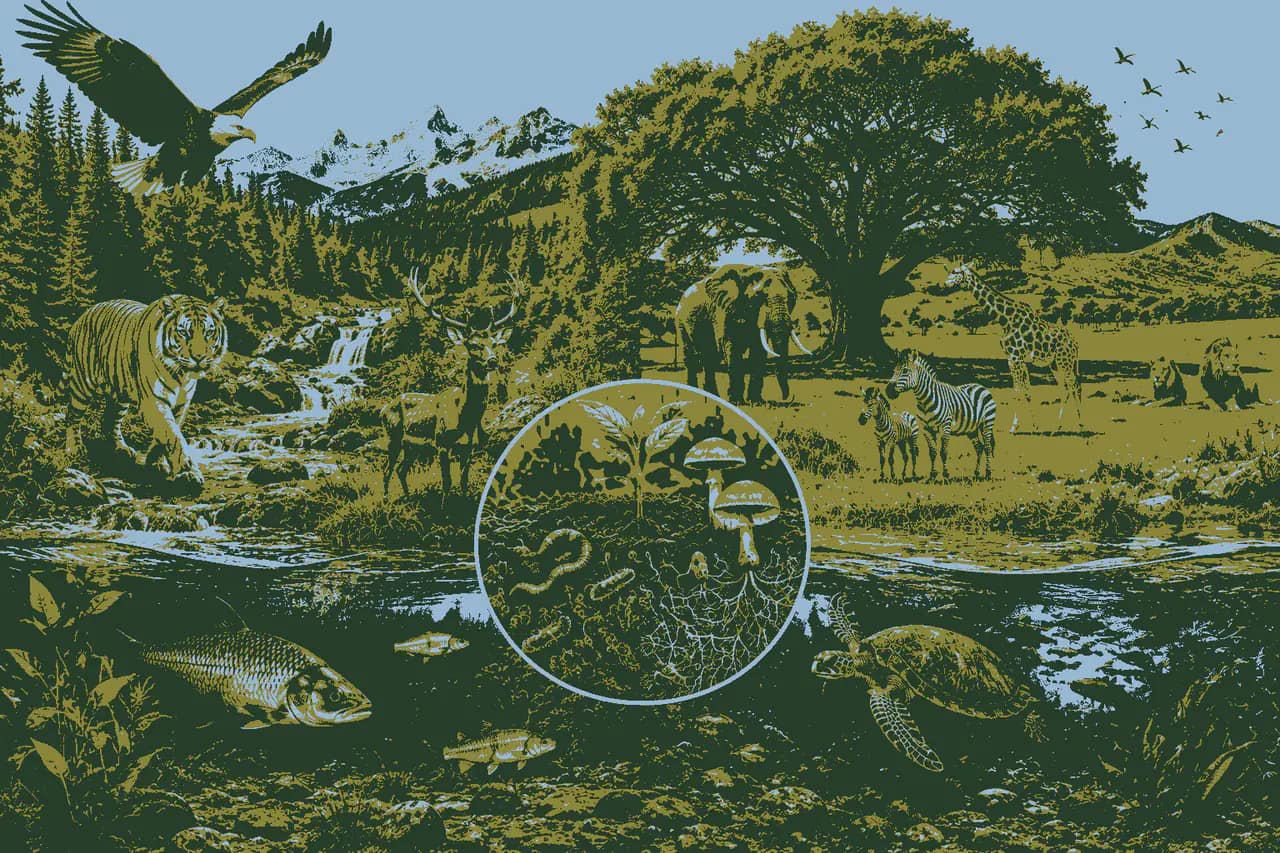
Ultimate Habitat Niche and Ecosystem MCQs with Answers to Boost Exam Success
Habitat Niche and Ecosystem MCQs with Answers is an important ecology topic for aspirants who want to understand how organisms live, interact, survive,…