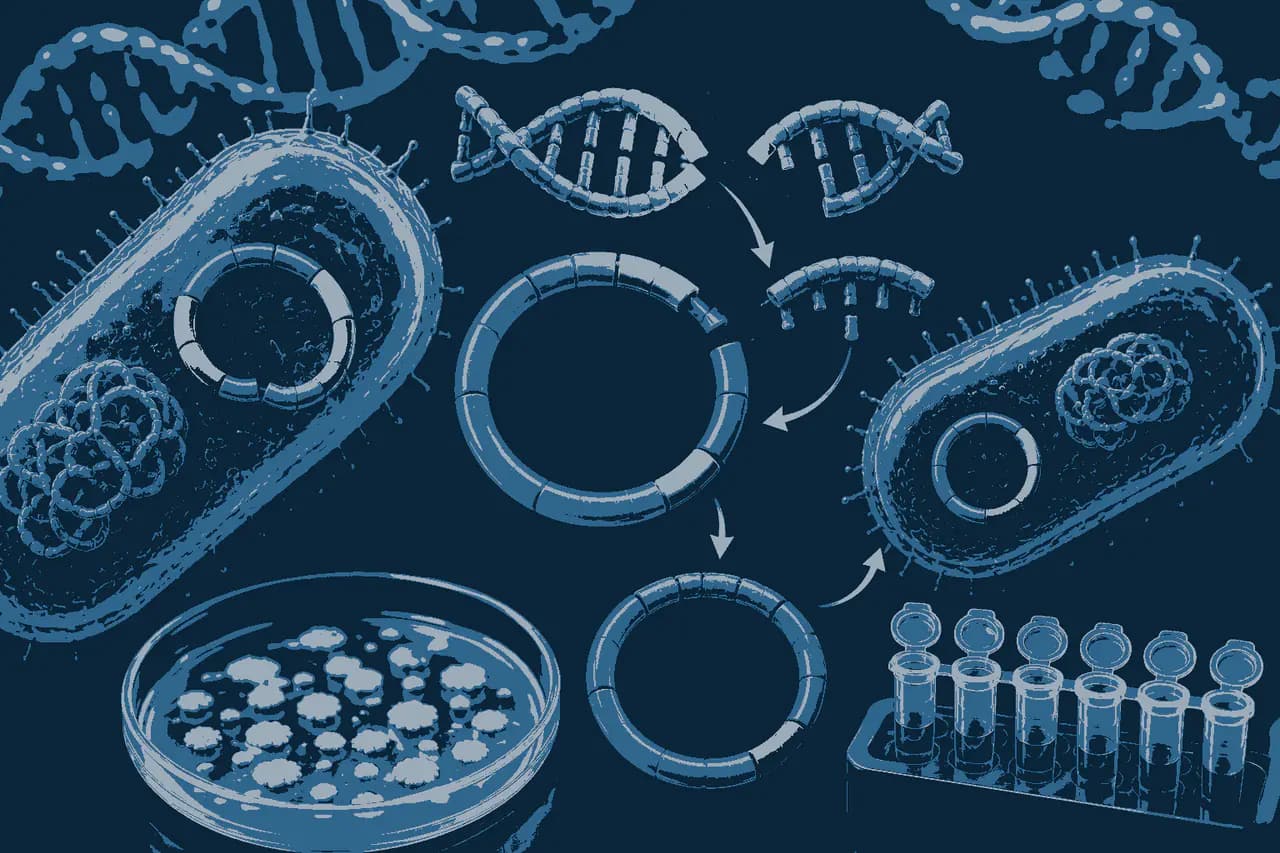
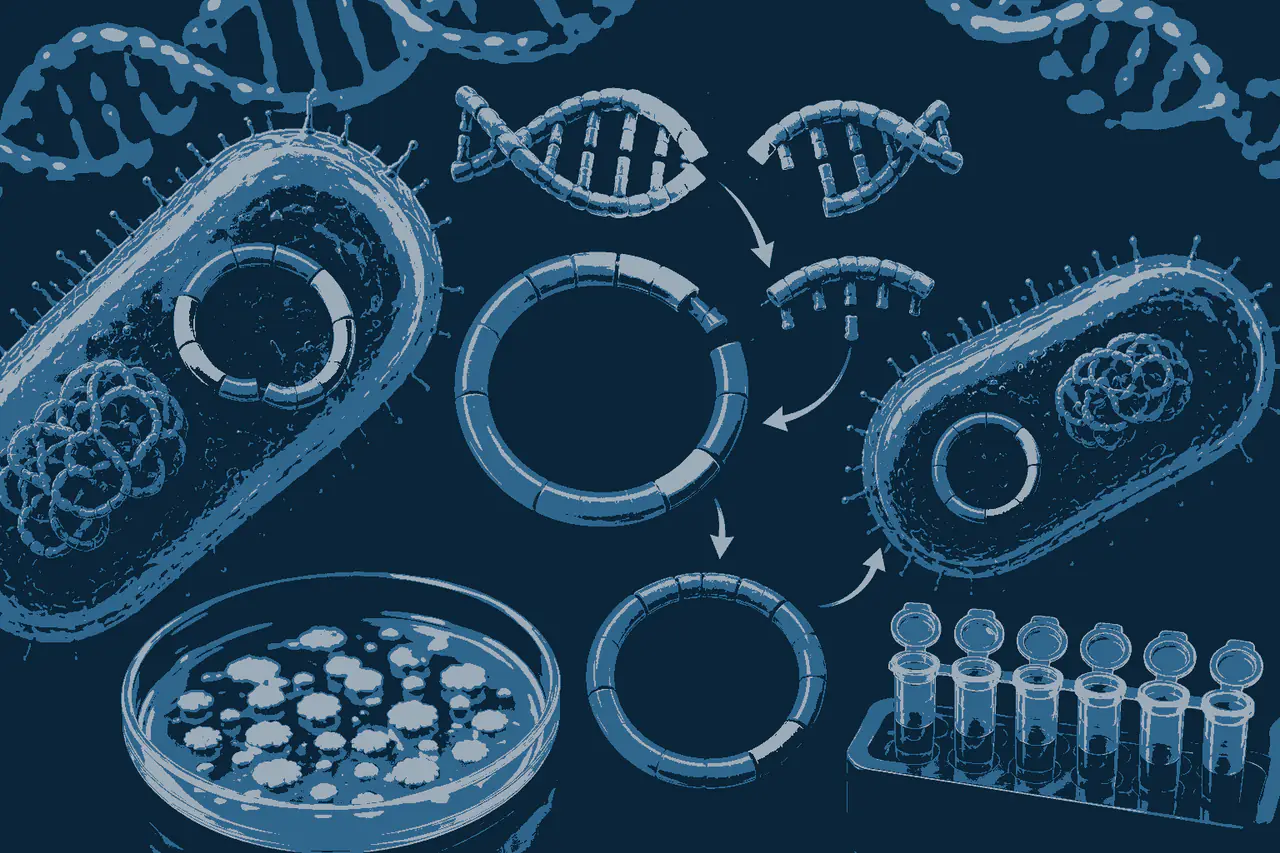
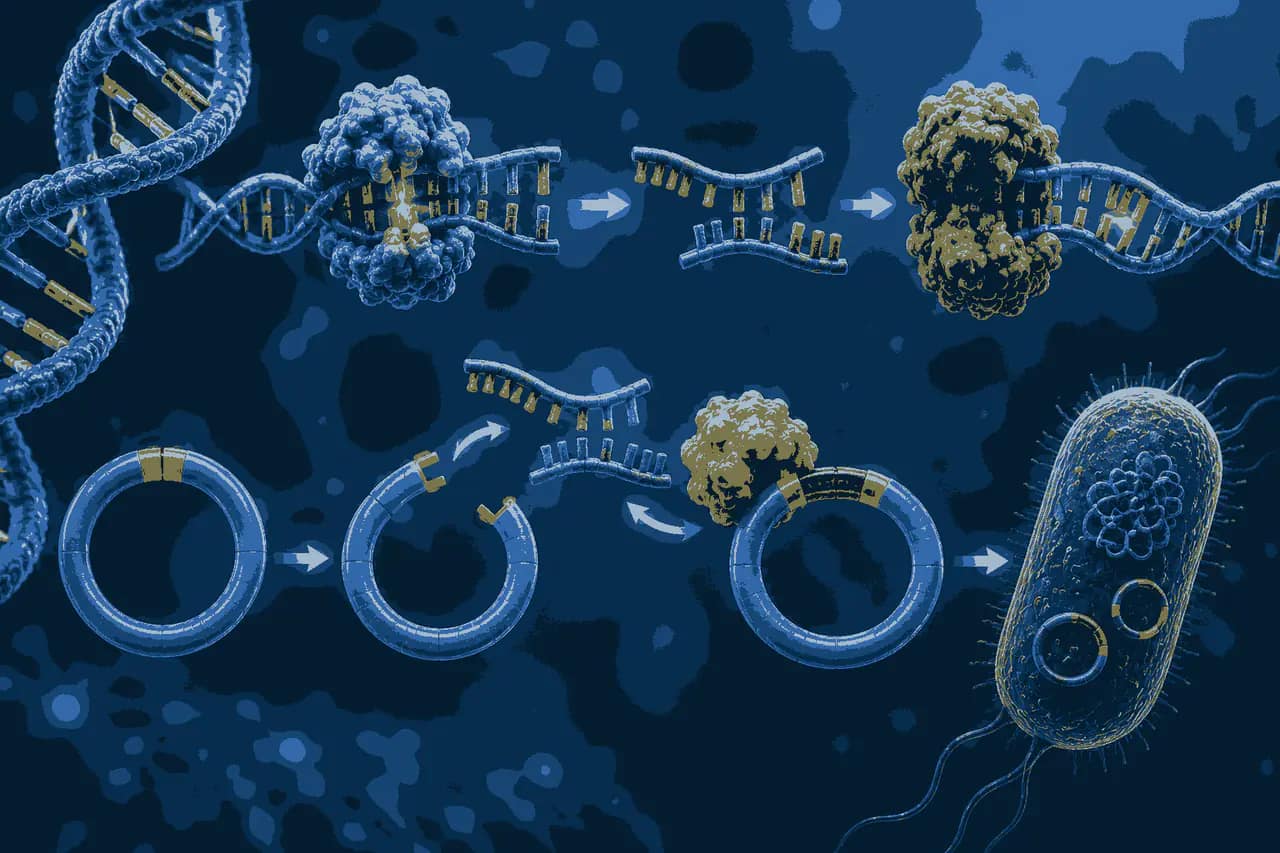
Cloning Vector MCQs with Answers Class 12 is an important biotechnology topic for aspirants who want to understand recombinant DNA technology, gene cloning, plasmids, selectable markers, restriction sites, and genetic engineering in a clear and exam-focused way. Cloning Vector MCQs with Answers Class 12 helps aspirants revise how vectors act as vehicles that carry foreign DNA fragments into suitable host cells. In recombinant DNA technology, a cloning vector is not just a carrier; it is a carefully selected DNA molecule that can replicate inside a host and help produce multiple copies of an inserted gene. Cloning Vector MCQs with Answers Class 12 is useful for board exams, NEET preparation, biotechnology entrance exams, agriculture exams, and general biology revision. Cloning Vector MCQs with Answers Class 12 becomes easier when aspirants first understand the meaning of a vector. A cloning vector is a DNA molecule used to transfer a gene of interest into a host cell. Cloning Vector MCQs with Answers Class 12 explains that commonly used vectors include plasmids, bacteriophages, cosmids, bacterial artificial chromosomes, and yeast artificial chromosomes. Each vector has a different capacity for carrying DNA fragments. Plasmids usually carry smaller DNA fragments, while BACs and YACs are used for cloning larger fragments. Cloning Vector MCQs with Answers Class 12 helps aspirants connect vector type with its cloning capacity. Cloning Vector MCQs with Answers Class 12 is closely connected with plasmids because plasmids are the most familiar cloning vectors in Class 12 Biology. Plasmids are small, circular, double-stranded DNA molecules found in bacteria. Cloning Vector MCQs with Answers Class 12 teaches aspirants that plasmids can replicate independently of chromosomal DNA and can be modified to carry foreign genes. A good plasmid vector must contain an origin of replication, selectable marker, and unique restriction sites. Cloning Vector MCQs with Answers Class 12 becomes more meaningful when aspirants study examples such as pBR322, which contains ampicillin and tetracycline resistance genes. Cloning Vector MCQs with Answers Class 12 also covers the origin of replication, commonly called ori. The origin of replication is the site from where DNA replication begins. Cloning Vector MCQs with Answers Class 12 helps aspirants understand that ori controls the copy number of the vector inside the host cell. If a vector has a proper origin of replication, it can multiply along with the inserted DNA. This makes it possible to produce many copies of the desired gene. Cloning Vector MCQs with Answers Class 12 reminds aspirants that replication ability is one of the most essential features of any cloning vector. Cloning Vector MCQs with Answers Class 12 is important for understanding selectable markers. Selectable markers help identify host cells that have taken up the vector. Cloning Vector MCQs with Answers Class 12 explains that antibiotic resistance genes are commonly used as selectable markers. For example, if a plasmid carries an ampicillin resistance gene, only transformed bacterial cells can grow in a medium containing ampicillin. Non-transformed cells die, making selection easier. Cloning Vector MCQs with Answers Class 12 helps aspirants understand why marker genes are necessary in genetic engineering experiments. Cloning Vector MCQs with Answers Class 12 should also include restriction sites. Restriction sites are specific DNA sequences recognized and cut by restriction endonucleases. Cloning Vector MCQs with Answers Class 12 becomes clearer when aspirants understand that a good vector should have one or more unique restriction sites where foreign DNA can be inserted. If too many recognition sites are present, the vector may be cut into several unwanted fragments. Therefore, a single suitable restriction site is often preferred for easy cloning. Cloning Vector MCQs with Answers Class 12 helps aspirants connect restriction enzymes, ligase, and vectors in one complete process. Cloning Vector MCQs with Answers Class 12 is linked with recombinant DNA formation. The gene of interest and vector DNA are cut using the same restriction enzyme to produce compatible ends. DNA ligase then joins the foreign DNA with the vector DNA, producing recombinant DNA. Cloning Vector MCQs with Answers Class 12 helps aspirants remember that this recombinant vector is introduced into a host cell through transformation. The host cell then multiplies, producing many copies of the recombinant DNA. Cloning Vector MCQs with Answers Class 12 improves understanding of how gene cloning works from start to finish. Cloning Vector MCQs with Answers Class 12 is also useful for comparing different vectors. Plasmids are suitable for small DNA fragments, bacteriophages can infect bacterial cells efficiently, cosmids can carry larger fragments than plasmids, BACs are useful for genome projects, and YACs can carry very large DNA fragments in yeast cells. Cloning Vector MCQs with Answers Class 12 improves conceptual clarity by helping aspirants remember vector examples with their uses. Aspirants should also know that Ti plasmid from Agrobacterium tumefaciens is used in plant genetic engineering.
Cloning Vector MCQs with Answers Class 12:
- Which of these is not a method to make host cells competent to take up DNA?
A. Use of disarmed pathogen vectors B. Micro-injection C. Elution D. Biolistics Answer: C. Elution Explanation: Elution is not a method used to make host cells competent to take up DNA. Elution refers to the process of extracting or removing a substance from a solid matrix using a suitable solvent or eluent.
- Select the correct statement from the following.
A. DNA from one organism will not bind to DNA from another organism B. Genetic engineering works only on animals and has not yet been successfully used on plants C. There are no risk factors associated with recombinant DNA technology D. The first step in PCR is heating, which is used to separate both strands of the gene of interest Answer: D. The first step in PCR is heating, which is used to separate both strands of the gene of interest Explanation: The first step in PCR is denaturation. It occurs at a high temperature, usually around 94°C to 98°C, and separates the two strands of DNA by breaking hydrogen bonds.
- The main function of polymerase chain reaction is
A. Transduction B. DNA amplification C. Translation D. DNA digestion Answer: B. DNA amplification Explanation: Polymerase Chain Reaction, or PCR, is used to amplify a specific DNA segment and produce many copies of it.
- Choose the wrong pair corresponding to selection of transformed cells.
A. BamHI site - Tetracycline resistance B. β-galactosidase - Inactivation of the enzyme C. Ampicillin resistance - Selectable marker D. Insertional inactivation - Development of blue color Answer: D. Insertional inactivation - Development of blue color Explanation: Insertional inactivation disrupts a gene and helps identify recombinants. In blue-white screening, recombinants usually produce white colonies, while blue colonies generally indicate non-recombinants.
- It is not directly involved in recombinant DNA production.
A. Restriction endonuclease B. DNA ligase C. DNA fragments D. E. coli Answer: D. E. coli Explanation: Restriction endonucleases, DNA ligase, and DNA fragments are directly involved in constructing recombinant DNA. E. coli is commonly used as a host organism, but it is not a direct component in the construction of the recombinant DNA molecule.
- McClintock is related to:
A. Plasmids B. Retroposons C. Transposons D. None of the above Answer: C. Transposons Explanation: Barbara McClintock is associated with the discovery of transposons, also called jumping genes, which can move from one location to another within the genome.
- An antibiotic resistance gene in a vector usually helps in the selection of
A. Non-recombinant cells B. Competent cells C. Non-competent cells D. Transformed cells Answer: D. Transformed cells Explanation: Antibiotic resistance genes help identify transformed cells. Only cells that have taken up the vector carrying the resistance gene survive in the presence of the antibiotic.
- Which of the following terms is not concerned with genetic recombination in bacteria?
A. Transformation B. Transduction C. Translation D. Conjugation Answer: C. Translation Explanation: Transformation, transduction, and conjugation are methods of genetic recombination in bacteria. Translation is the process of protein synthesis.
- Annealing is a phenomenon related to
A. Denaturation of DNA B. Renaturation of DNA C. Melting point of DNA, Tm D. Separation of G from C Answer: B. Renaturation of DNA Explanation: Annealing is the process in which complementary single-stranded DNA or RNA sequences join by hydrogen bonding to form a double-stranded molecule.
- The function of polymerase chain reaction is
A. Transduction B. DNA amplification C. Translation D. None of these Answer: B. DNA amplification Explanation: Polymerase Chain Reaction, or PCR, is used for amplification of DNA.
- In which process is the Taq DNA polymerase enzyme used?
A. Tissue culture process B. Polymerase Chain Reaction, PCR C. Hybridisation process D. Germplasm conservation process Answer: B. Polymerase Chain Reaction, PCR Explanation: Taq DNA polymerase is used in PCR because it can withstand the high temperature required during denaturation.
- Where is the biolistic technique used during genetic engineering experiments?
A. Tissue culture process B. Gene transfer process C. Hybridisation process D. Germplasm conservation process Answer: B. Gene transfer process Explanation: The biolistic technique, also called gene gun method, is used for gene transfer by bombarding cells with DNA-coated microparticles.
- Match the organism with its use in biotechnology.
Organisms: A. Bacillus thuringiensis B. Thermus aquaticus C. Agrobacterium tumefaciens D. Salmonella typhimurium Uses: i. Cloning vector ii. Construction of first recombinant DNA molecule iii. DNA polymerase iv. Cry proteins Options: A. A-iv, B-iii, C-i, D-ii B. A-iii, B-ii, C-iv, D-i C. A-iii, B-iv, C-i, D-ii D. A-ii, B-iv, C-iii, D-i Answer: A. A-iv, B-iii, C-i, D-ii Explanation: Bacillus thuringiensis produces Cry proteins, Thermus aquaticus provides Taq DNA polymerase, Agrobacterium tumefaciens is used as a plant cloning vector, and Salmonella typhimurium is associated with the construction of the first recombinant DNA molecule.
- What is spooling in biotechnology?
A. Collection of isolated DNA B. Amplification of DNA C. Cutting of separated DNA bands from the agarose gel D. Transfer of separated DNA fragments to synthetic membranes Answer: A. Collection of isolated DNA Explanation: Spooling is the process of collecting isolated DNA strands after DNA extraction.
- What is the template strand in DNA transcription?
A. Template strand B. Coding strand C. Alpha strand D. Anti strand Answer: A. Template strand Explanation: The template strand is the DNA strand used by RNA polymerase during transcription to synthesize RNA.
- Which of the following is not a component of downstream processing in biotechnology?
A. Separation B. Purification C. Preservation D. Expression Answer: D. Expression Explanation: Downstream processing includes separation, purification, and preservation of the product. Expression occurs before downstream processing.
- What are stirred-tank bioreactors designed for in biotechnology?
A. Purification of product B. Addition of preservatives to the product C. Availability of oxygen throughout the process D. Ensuring anaerobic conditions in the culture vessel Answer: C. Availability of oxygen throughout the process Explanation: Stirred-tank bioreactors are designed to provide proper mixing and ensure oxygen availability throughout the culture medium.
- Which of the following molecular diagnostic techniques is very useful for early detection of diseases?
A. Hybridization Technique B. Western Blotting Technique C. Southern Blotting Technique D. ELISA Technique Answer: D. ELISA Technique Explanation: ELISA, or Enzyme Linked Immunosorbent Assay, is useful for early diagnosis because it detects antigens or antibodies based on antigen-antibody interactions.
- During the process of gene amplification using PCR, if very high temperature is not maintained in the beginning, which step of PCR will be affected first?
A. Ligation B. Annealing C. Extension D. Denaturation Answer: D. Denaturation Explanation: The first step of PCR is denaturation, which requires high temperature to separate the two DNA strands.
- During the purification process for recombinant DNA technology, addition of chilled ethanol precipitates out which substance?
A. Polysaccharides B. RNA C. DNA D. Histones Answer: C. DNA Explanation: Chilled ethanol is added during DNA isolation to precipitate DNA, making it visible and easier to collect.
- Which of the following is not a desirable feature of a cloning vector?
A. Presence of two or more recognition sites B. Presence of origin of replication C. Presence of a marker gene D. Presence of single restriction enzyme site Answer: A. Presence of two or more recognition sites Explanation: A good cloning vector should have an origin of replication, a selectable marker, and preferably a single recognition site for a commonly used restriction enzyme. Multiple recognition sites may complicate cloning.
- Match the terms in List I with their corresponding descriptions in List II.
List I: A. Gene gun B. Gene therapy C. Gene cloning D. Genome List II: i. Replacement of a faulty gene by a normal healthy gene ii. Used for transfer of gene iii. Total DNA in the cells of an organism iv. To obtain identical copies of a particular DNA molecule Options: A. A-ii, B-i, C-iv, D-iii B. A-i, B-iii, C-ii, D-iv C. A-iv, B-i, C-iii, D-ii D. A-ii, B-iii, C-iv, D-i Answer: A. A-ii, B-i, C-iv, D-iii Explanation: Gene gun is used for gene transfer, gene therapy involves replacement of a faulty gene, gene cloning produces identical copies of DNA, and genome refers to the total DNA of an organism.
- What is the correct order of steps in Polymerase Chain Reaction, PCR?
A. Extension, Denaturation, Annealing B. Annealing, Extension, Denaturation C. Denaturation, Annealing, Extension D. Denaturation, Extension, Annealing Answer: C. Denaturation, Annealing, Extension Explanation: PCR occurs in three main steps: denaturation, annealing, and extension.
- How can DNA fragments separated on an agarose gel be visualized?
A. Bromophenol blue B. Acetocarmine C. Aniline blue D. Ethidium bromide Answer: D. Ethidium bromide Explanation: Ethidium bromide is a fluorescent stain used to visualize DNA fragments under UV light after agarose gel electrophoresis.
- Which antibiotic inhibits the interaction between tRNA and mRNA during bacterial protein synthesis?
A. Erythromycin B. Neomycin C. Streptomycin D. Tetracycline Answer: B. Neomycin Explanation: Neomycin interferes with bacterial protein synthesis by affecting the proper interaction between tRNA and mRNA.
- In the initial step of recombinant DNA technology, which enzymes are used for the breakdown of fungal cell, plant cell, and bacterial cell respectively?
A. Lysozyme, lipases, trypsin B. Chitinase, cellulase, lysozyme C. Chitinase, cellulase, trypsin D. Trypsin, lipases, cellulase Answer: B. Chitinase, cellulase, lysozyme Explanation: Chitinase breaks fungal cell walls, cellulase breaks plant cell walls, and lysozyme breaks bacterial cell walls.
- What does the electroporation procedure involve in molecular biology?
A. Fast passage of food through sieve pores in phloem elements with the help of electric stimulation B. Opening of stomatal pores during the night by artificial light C. Making transient pores in the cell membrane to introduce gene constructs D. Purification of saline water with the help of a membrane system Answer: C. Making transient pores in the cell membrane to introduce gene constructs Explanation: Electroporation uses an electric field to create temporary pores in the cell membrane, allowing DNA or gene constructs to enter the cell.
- Which of the following shows the correct sequence of steps involved in recombinant DNA technology?
Steps: i. Amplification ii. Downstream processing iii. Isolation iv. Obtaining the foreign gene product v. Cutting with restriction enzymes vi. Insertion of gene into vector or host Options: A. ii → iv → vi → i → v → iii B. iii → v → i → ii → iv → vi C. iv → ii → i → vi → iii → v D. iii → v → i → vi → iv → ii Answer: D. iii → v → i → vi → iv → ii Explanation: The sequence begins with isolation of genetic material, followed by cutting with restriction enzymes, amplification, insertion, obtaining the foreign gene product, and downstream processing.
- Nowadays, the early diagnosis of bacterial or viral infection in humans is possible using
A. Serum analyzer B. DNA sequencer C. PCR D. CT Scan Answer: C. PCR Explanation: PCR helps in early diagnosis by amplifying even a very small amount of pathogen DNA or RNA-derived DNA.
- Biolistics method is suitable for gene transfer into which of the following?
A. Viruses
B. Animal cells
C. Bacteria
D. Plant cells
Answer: D. Plant cells
Explanation: Biolistics, or the gene gun method, is suitable for gene transfer into plant cells using DNA-coated gold or tungsten particles.
Conclusion on Cloning Vector MCQs with Answers Class 12
Cloning Vector MCQs with Answers Class 12 can help aspirants revise biotechnology applications such as insulin production, gene libraries, DNA sequencing, transgenic plants, and molecular diagnosis. Cloning Vector MCQs with Answers Class 12 is not only about memorising vector names; it is about understanding how DNA can be carried, copied, selected, and expressed. Cloning Vector MCQs with Answers Class 12 improves confidence in recombinant DNA technology because vectors are central to almost every genetic engineering experiment. In conclusion, Cloning Vector MCQs with Answers Class 12 is a high-value topic that helps aspirants build strong foundations in plasmids, markers, restriction sites, host cells, and gene cloning.
Related reading
Expert DNA Transformation Methods MCQs with Answers: Crack Class 12 Biology Easily
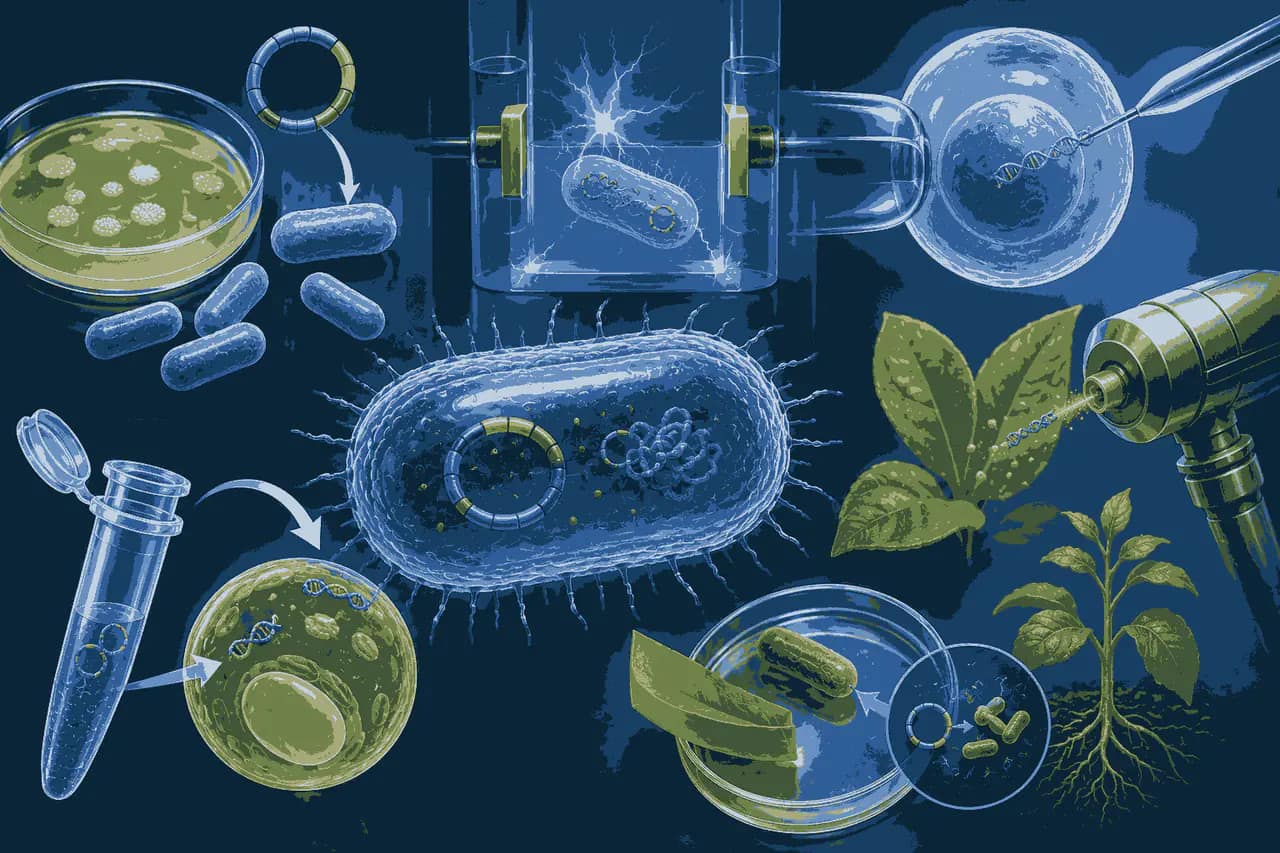
Explore DNA Transformation Methods MCQs with Answers covering competent cells, electroporation, gene gun, microinjection , PEG method , Agrobacterium, and rDNA .
High-Scoring Restriction Enzymes and Ligase MCQs with Answers - Ultimate Biotechnology Prep
Master Restriction Enzymes and Ligase MCQs with Answers covering DNA cutting, ligation, sticky ends, blunt ends, plasmids , cloning vectors , and rDNA revision.