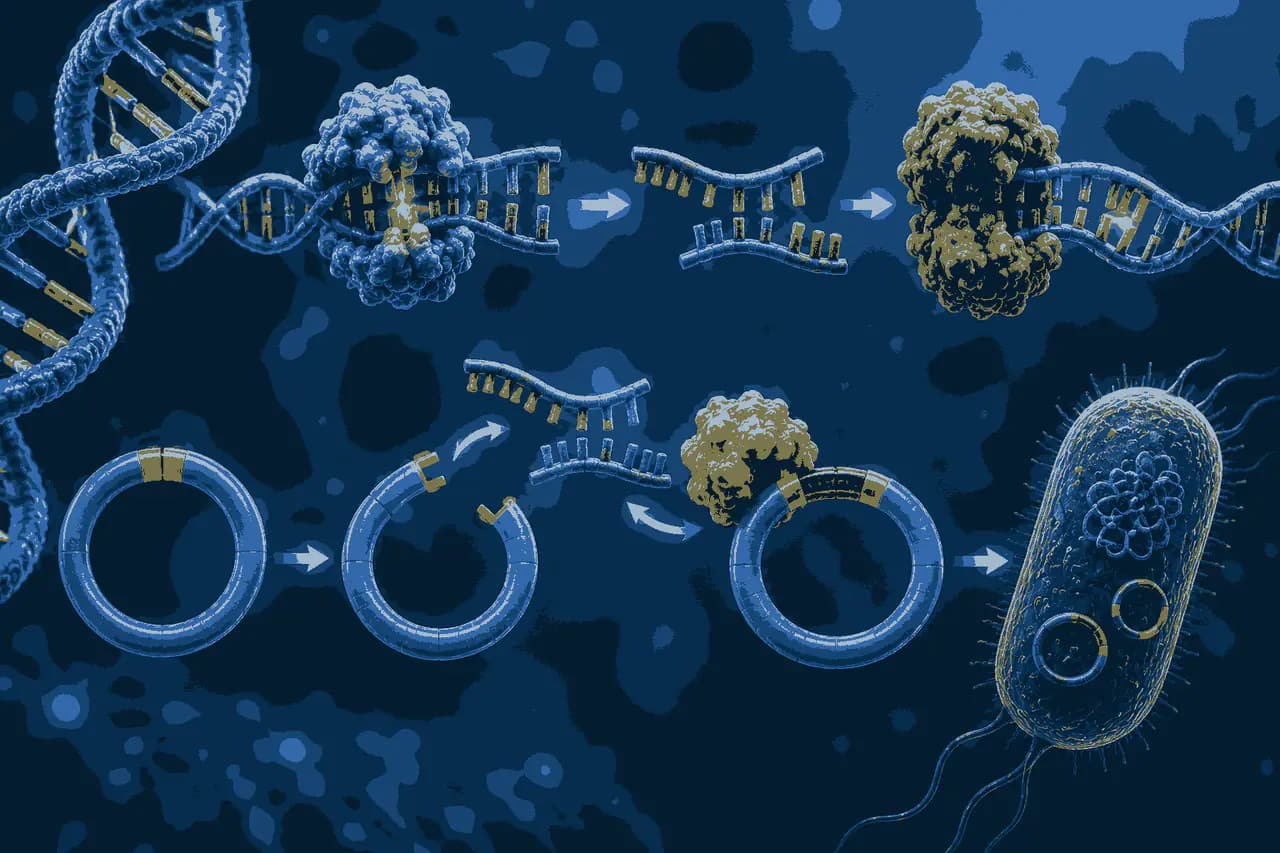
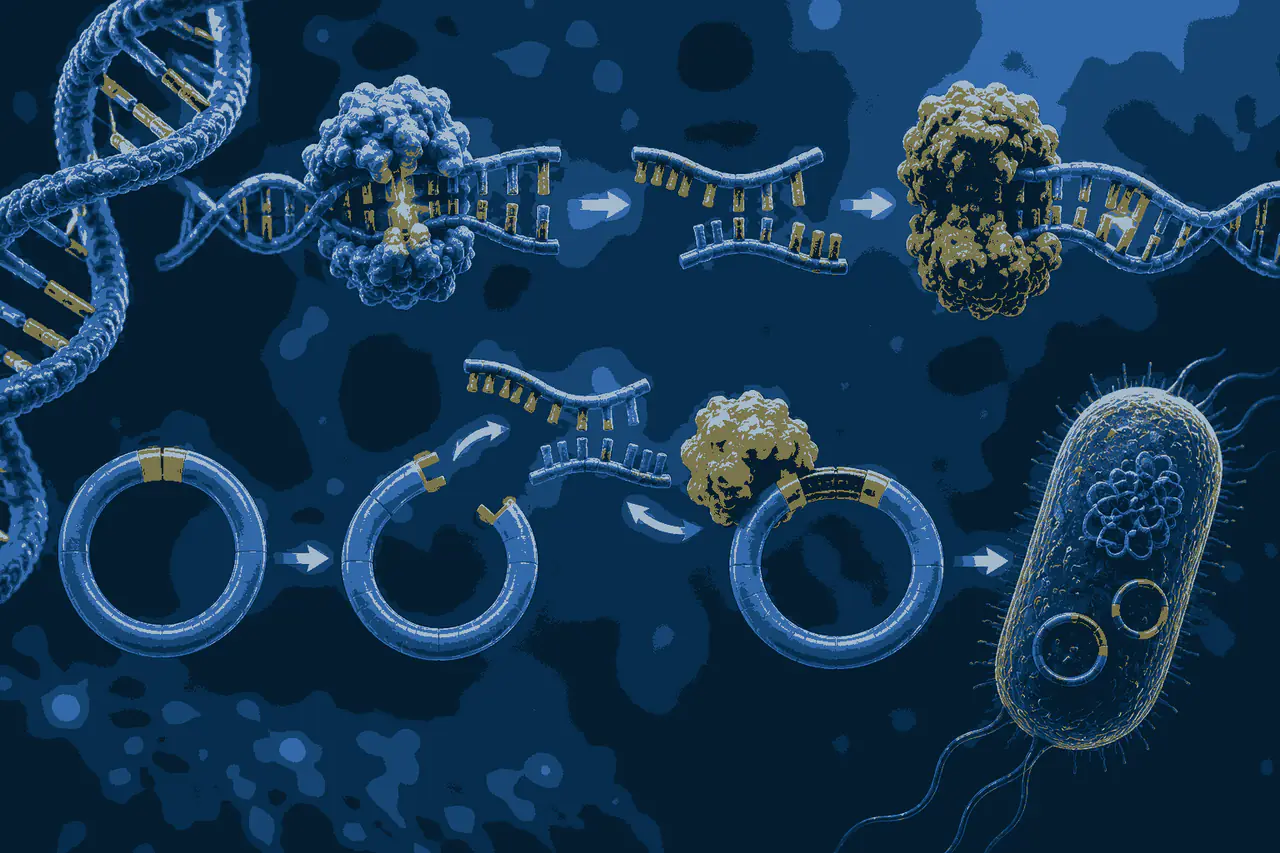
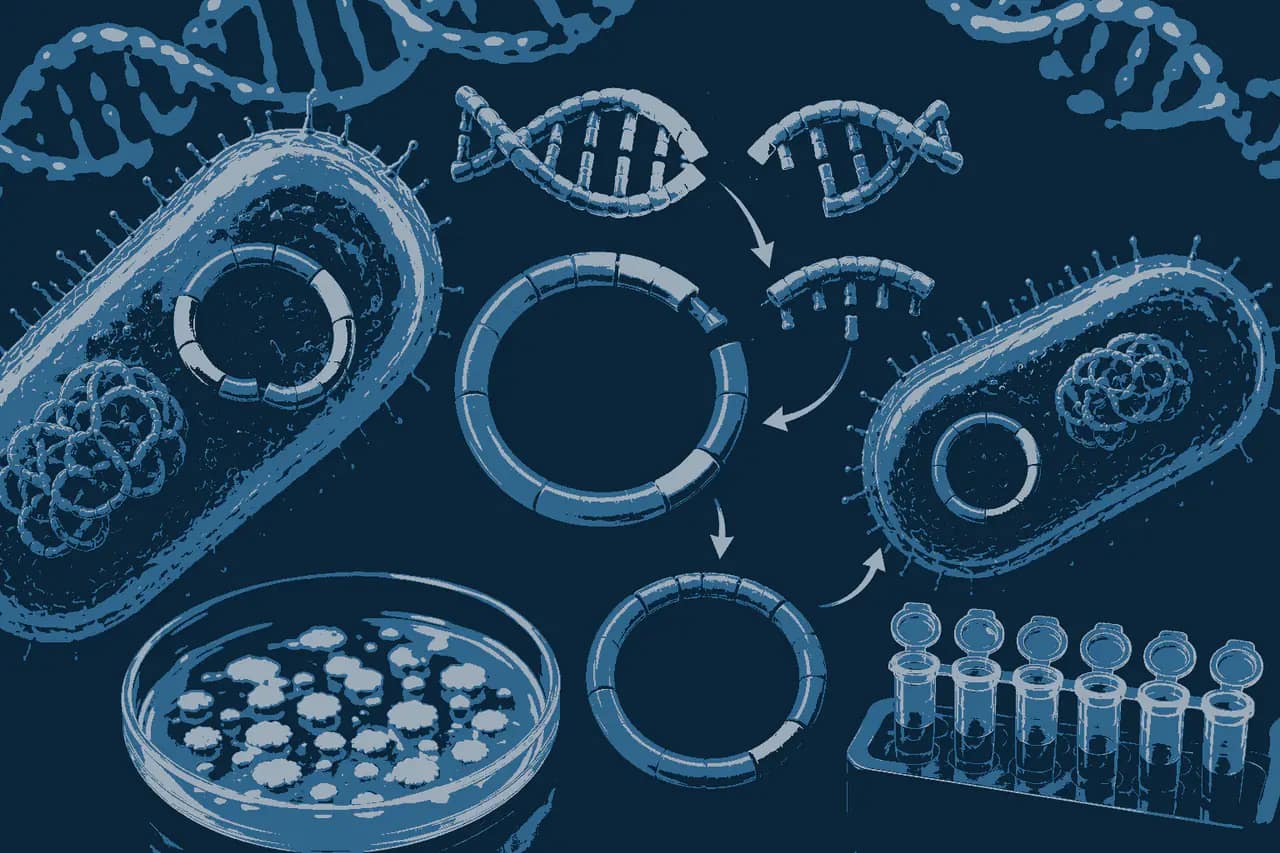
Restriction Enzymes and Ligase MCQs with Answers is an important biotechnology topic for aspirants who want to understand recombinant DNA technology, gene cloning, molecular scissors, DNA joining, sticky ends, blunt ends, vectors, and genetic engineering in a clear and exam-focused way. Restriction Enzymes and Ligase MCQs with Answers helps aspirants revise two essential tools used in recombinant DNA work: restriction enzymes that cut DNA and ligase enzymes that join DNA fragments. These enzymes are central to biotechnology because they allow scientists to isolate genes, insert them into vectors, create recombinant DNA, and produce useful products such as insulin, vaccines, enzymes, and genetically modified crops. Restriction Enzymes and Ligase MCQs with Answers becomes easier when aspirants first understand restriction enzymes. Restriction enzymes, also called restriction endonucleases, are enzymes obtained mainly from bacteria. Restriction Enzymes and Ligase MCQs with Answers explains that bacteria use these enzymes as a defense mechanism against foreign DNA, especially viral DNA. They recognize specific nucleotide sequences and cut DNA at or near those sites. These recognition sequences are often palindromic, meaning the sequence reads the same in opposite directions on complementary DNA strands when read from 5' to 3'. Restriction Enzymes and Ligase MCQs with Answers is closely linked with examples such as EcoRI, HindII, HindIII, BamHI, PstI, SalI, and EcoRV. Restriction Enzymes and Ligase MCQs with Answers helps aspirants remember that EcoRI recognizes the sequence 5'-GAATTC-3' and cuts between G and A, producing sticky ends. Sticky ends are single-stranded overhangs that pair with complementary sticky ends from another DNA molecule. Some enzymes, such as EcoRV, produce blunt ends by cutting both strands at the same position. Blunt ends are harder to join but are still useful in genetic engineering. Restriction Enzymes and Ligase MCQs with Answers also explains the importance of DNA ligase. DNA ligase is often called molecular glue because it joins DNA fragments by forming phosphodiester bonds between adjacent nucleotides. Restriction Enzymes and Ligase MCQs with Answers teaches aspirants that after a gene of interest and a vector are cut with compatible restriction enzymes, DNA ligase seals the fragments together. This produces recombinant DNA, also known as chimeric DNA, because it contains DNA from different sources. Without ligase, the cut fragments would not become a stable recombinant molecule. Restriction Enzymes and Ligase MCQs with Answers should be understood as a step-by-step process. First, DNA is isolated from the donor organism and vector. Restriction Enzymes and Ligase MCQs with Answers then involves cutting both the gene of interest and vector DNA using suitable restriction enzymes. The matching ends are brought together, and DNA ligase joins them permanently. The recombinant vector is introduced into a host cell such as E. coli. Transformed cells are selected using marker genes, and the inserted gene may be cloned or expressed. Restriction Enzymes and Ligase MCQs with Answers is especially useful for understanding plasmids and cloning vectors. Plasmids are small circular DNA molecules found in bacteria and are commonly used as vectors. Restriction Enzymes and Ligase MCQs with Answers helps aspirants connect plasmids with origin of replication, selectable markers, and unique restriction sites. A good vector must replicate inside the host, carry a selectable marker, and contain restriction sites where foreign DNA can be inserted. pBR322 is a classic plasmid vector with ampicillin and tetracycline resistance genes. Restriction Enzymes and Ligase MCQs with Answers also helps aspirants avoid common confusion. Endonucleases cut DNA within the molecule, while exonucleases remove nucleotides from the ends. Restriction Enzymes and Ligase MCQs with Answers reminds aspirants that restriction enzymes cut DNA, DNA ligase joins DNA, DNA polymerase copies DNA, and reverse transcriptase produces cDNA from mRNA. These distinctions are frequently tested in biotechnology chapters. Aspirants should also remember that gel electrophoresis separates DNA fragments according to size after restriction digestion. Restriction Enzymes and Ligase MCQs with Answers is important in medical, agricultural, and research applications. Recombinant insulin production, gene cloning, DNA fingerprinting, genome mapping, gene therapy, and production of genetically modified plants all depend on controlled DNA cutting and joining. Restriction Enzymes and Ligase MCQs with Answers helps aspirants connect enzyme functions with real-life biotechnology. For example, a desirable gene can be cut from donor DNA, inserted into a plasmid, ligated, transferred into bacteria, and multiplied. Restriction Enzymes and Ligase MCQs with Answers should be revised with keywords such as restriction site, palindrome, sticky end, blunt end, phosphodiester bond, vector, plasmid, recombinant DNA, transformation, selectable marker, and cloning. Restriction Enzymes and Ligase MCQs with Answers becomes easier when aspirants visualize restriction enzymes as precise cutters and ligase as a joining enzyme. This simple comparison builds strong conceptual memory.
Restriction Enzymes and Ligase MCQs with Answers:
- Which vector is capable of cloning only a small fragment of DNA based on the information provided?
A. Bacterial artificial chromosome B. Yeast artificial chromosome C. Plasmid D. Cosmid Answer: C. Plasmid Explanation: Plasmids can clone only small fragments of DNA, usually around 10 kbp.
- What are the two antibiotic resistance genes present on vector pBR322?
A. Tetracycline and Kanamycin B. Ampicillin and Tetracycline C. Ampicillin and Chloramphenicol D. Chloramphenicol and Tetracycline Answer: B. Ampicillin and Tetracycline Explanation: The vector pBR322 contains antibiotic resistance genes for ampicillin and tetracycline.
- Which enzyme catalyzes the removal of nucleotides from the ends of DNA?
A. Protease B. DNA ligase C. Endonuclease D. Exonuclease Answer: D. Exonuclease Explanation: Exonucleases remove nucleotides from the ends of DNA molecules.
- What is commonly used as a vector for introducing a DNA fragment in human lymphocytes?
A. Retrovirus B. Ti plasmid C. pBR322 D. λ phage Answer: A. Retrovirus Explanation: Retroviruses are commonly used as vectors to introduce DNA fragments into human lymphocytes, especially for replacing or correcting defective genes.
- How can DNA fragments generated by restriction endonucleases in a chemical reaction be separated?
A. Restriction mapping B. Centrifugation C. Polymerase chain reaction D. Electrophoresis Answer: D. Electrophoresis Explanation: DNA fragments generated by restriction endonucleases can be separated by electrophoresis according to their size.
- What is a gene called whose expression helps to identify transformed cells?
A. Selective marker B. Vector C. Plasmid D. Structural gene Answer: A. Selective marker Explanation: Selective markers help identify transformed cells. Antibiotic resistance genes are commonly used as selectable markers.
- In gene cloning, what are used as vehicles for carrying foreign DNA fragments?
A. Host cell B. Restriction enzymes C. Adaptor D. Vector Answer: D. Vector Explanation: Vectors such as plasmids, cosmids, and lambda phages are used as vehicles for carrying foreign DNA fragments.
- In E. coli, during lactose metabolism, repressor binds to:
A. Regulator gene B. Operator gene C. Structural gene D. Promoter gene Answer: B. Operator gene Explanation: In the lac operon of E. coli, the repressor binds to the operator gene and prevents transcription of the structural genes.
- A tumor-inducing plasmid widely used in the production of transgenic plants is that of
A. Escherichia coli B. Bacillus thuringiensis C. Staphylococcus aureus D. Agrobacterium tumefaciens Answer: D. Agrobacterium tumefaciens Explanation: Agrobacterium tumefaciens contains the tumor-inducing Ti plasmid, which is widely used in plant genetic engineering.
- In Ti-plasmid, which of the following is removed?
A. Auxin gene B. Virulent gene C. Cytokinin gene D. Auxin and cytokinin gene Answer: B. Virulent gene Explanation: In modified Ti plasmids, tumor-forming virulent genes are removed or replaced with desired genes so that the plasmid can act as a vector.
- Chimeric DNA is
A. Gene clone B. Recombinant DNA C. Transposon D. Vector shuttle Answer: B. Recombinant DNA Explanation: Recombinant DNA is also called chimeric DNA because it contains DNA segments from different sources.
- What does R indicate in EcoRI?
A. Enzyme isolated from species of bacteria B. Genus of bacteria C. Sequence of enzyme D. Species of bacteria Answer: A. Enzyme isolated from species of bacteria Explanation: In EcoRI, R represents the strain of bacteria from which the enzyme was isolated.
- EcoRI is
A. A restriction enzyme B. A plasmid C. Used to join two DNA fragments D. The abbreviation for bacterium Escherichia coli Answer: A. A restriction enzyme Explanation: EcoRI is a restriction endonuclease that cuts DNA at a specific recognition sequence.
- Identify the desirable characteristics for a plasmid used in rDNA technology.
A. Ability to multiply and express outside the host in a bioreactor B. A highly active promoter C. A site at which replication can be initiated D. One or more identifiable marker genes E. One or more unique restriction sites Options: A. A, C and E only B. B, C and E only C. A, C, D and E only D. B, C, D and E only Answer: C. A, C, D and E only Explanation: A plasmid used in recombinant DNA technology should have a replication site, selectable marker genes, and unique restriction sites. According to the given answer key, A, C, D and E are correct.
- Which of the following enzymes are absolutely necessary for recombinant DNA technology?
A. Restriction endonucleases and topoisomerases B. Endonucleases and polymerases C. Restriction endonucleases and ligases D. Peptidases and ligases Answer: C. Restriction endonucleases and ligases Explanation: Restriction endonucleases cut DNA at specific sites, while ligases join DNA fragments together. Both are essential for recombinant DNA technology.
- What is the vector for T-DNA?
A. Thermus aquaticus B. Salmonella typhimurium C. Agrobacterium tumefaciens D. Escherichia coli Answer: C. Agrobacterium tumefaciens Explanation: Agrobacterium tumefaciens carries the Ti plasmid, which contains T-DNA used in plant transformation.
- Arrange the following in sequential order of their usage in recombinant DNA technology.
i. Calcium chloride ii. DNA ligase iii. Ethylene diamine tetra acetic acid iv. Restriction endonuclease Options: A. i, iv, iii and ii B. iv, i, ii and iii C. i, iv, ii and iii D. iii, iv, ii and i Answer: D. iii, iv, ii and i Explanation: According to the given answer key, the correct sequence is EDTA, restriction endonuclease, DNA ligase, and calcium chloride.
- Regarding EcoRI enzyme, which statement is correct?
Assertion: EcoRI makes staggered cuts to produce sticky ends in a DNA double helix. Reason: EcoRI cuts the DNA between G and A at the palindromic sequence 5'-GAATTC-3'. A. Assertion is true, Reason is true and Reason is the correct explanation of Assertion B. Assertion is true, Reason is true but Reason is not the correct explanation of Assertion C. Assertion is true but Reason is false D. Assertion is false but Reason is true Answer: A. Assertion is true, Reason is true and Reason is the correct explanation of Assertion Explanation: EcoRI cuts DNA at the palindromic sequence 5'-GAATTC-3' between G and A, producing sticky ends.
- Where are restriction endonucleases obtained from in recombinant DNA technology?
A. Bacteriophages B. Bacterial cells C. Plasmids D. All prokaryotic cells Answer: B. Bacterial cells Explanation: Restriction endonucleases are obtained from bacterial cells, where they act as a defense mechanism against foreign DNA.
- In cloning vectors, antibiotic-resistant genes are helpful for
A. Selection of recombinants B. Cleaving of vector by restriction endonuclease C. Transfer of foreign gene to the host D. Making the host cells competent Answer: A. Selection of recombinants Explanation: Antibiotic resistance genes help in selecting transformed cells that have taken up the recombinant vector.
- A giant rat is formed in the laboratory. What is the reason?
A. Gene mutation B. Gene synthesis C. Gene manipulation D. Gene replication Answer: C. Gene manipulation Explanation: A giant rat can be produced through gene manipulation, where the genetic makeup of an organism is artificially altered.
- The figure below is the diagrammatic representation of the E. coli vector pBR322. Which option correctly identifies its component?
A. HindIII, EcoRI - selectable markers B. ampR, tetR - antibiotic resistance genes C. ori - original restriction enzyme D. rop - reduced osmotic pressure Answer: B. ampR, tetR - antibiotic resistance genes Explanation: In pBR322, ampR and tetR are antibiotic resistance genes. ori is the origin of replication, and rop codes for proteins involved in plasmid replication.
- For transformation, micro-particles coated with DNA to be bombarded with gene gun are made up of:
A. Silicon or Platinum B. Gold or Tungsten C. Silver or Platinum D. Platinum or Zinc Answer: B. Gold or Tungsten Explanation: In the gene gun method, DNA-coated gold or tungsten particles are bombarded into target cells.
- Which one of the following techniques made it possible to genetically engineer living organisms?
A. Hybridization B. Recombinant DNA techniques C. X-ray diffraction D. Heavier isotope labeling Answer: B. Recombinant DNA techniques Explanation: Recombinant DNA techniques made it possible to isolate, manipulate, combine, and transfer DNA between organisms.
- During the process of isolation of DNA, chilled ethanol is added to
A. Remove proteins such as histones B. Precipitate DNA C. Break open the cell to release DNA D. Facilitate action of restriction enzymes Answer: B. Precipitate DNA Explanation: Chilled ethanol is added during DNA isolation to precipitate DNA, making it visible as white thread-like material.
- Genes of interest can be selected from a genomic library by using
A. Restriction enzymes B. Cloning vectors C. DNA probes D. Gene targets Answer: C. DNA probes Explanation: DNA probes are short sequences complementary to the gene of interest and are used to identify specific genes in a genomic library.
- There is a restriction endonuclease called EcoRI. What does the “co” part in it stand for?
A. coli B. colon C. coelom D. coenzyme Answer: A. coli Explanation: EcoRI is named from Escherichia coli. In EcoRI, “co” refers to coli.
- Assertion and Reason:
Assertion: Molecular farming is large-scale production of biochemicals from plants. Reason: Transgenic plants are bioreactors for commercial production of antibodies. A. Assertion is true, Reason is true and Reason is the correct explanation of Assertion B. Assertion is true, Reason is true but Reason is not the correct explanation of Assertion C. Assertion is true but Reason is false D. Assertion is false but Reason is true Answer: A. Assertion is true, Reason is true and Reason is the correct explanation of Assertion Explanation: Molecular farming involves large-scale production of useful biochemicals from plants. Transgenic plants can act as bioreactors for commercial production of antibodies and other proteins.
- From the following tools or techniques of genetic engineering, identify those required for cloning a bacterial gene in animal cells.
I. Endonuclease II. Ligase III. Agrobacterium tumefaciens IV. Microinjection V. Gene gun VI. Lysozyme VII. Cellulase VIII. Electrophoresis Options: A. II, III, IV, VI, VII, VIII B. II, III, V, VII, VIII C. I, II, IV, VI, VIII D. I, III, IV, V, VII Answer: C. I, II, IV, VI, VIII Explanation: Endonuclease cuts DNA, ligase joins DNA fragments, microinjection can introduce genetic material into animal cells, lysozyme helps break bacterial cell walls, and electrophoresis helps separate DNA fragments.
- PCR is used for
A. DNA amplification
B. DNA isolation
C. DNA ligation
D. DNA digestion
Answer: A. DNA amplification
Explanation: PCR, or polymerase chain reaction, is used to amplify DNA and produce millions of copies of a specific DNA segment.
Conclusion on Restriction Enzymes and Ligase MCQs with Answers
In conclusion, Restriction Enzymes and Ligase MCQs with Answers is a high-value topic for aspirants preparing Class 12 Biology, NEET, biotechnology, and life science exams. Restriction Enzymes and Ligase MCQs with Answers strengthens understanding of recombinant DNA technology by explaining how DNA is cut, joined, inserted, cloned, and expressed.
Related reading
Expert DNA Transformation Methods MCQs with Answers: Crack Class 12 Biology Easily
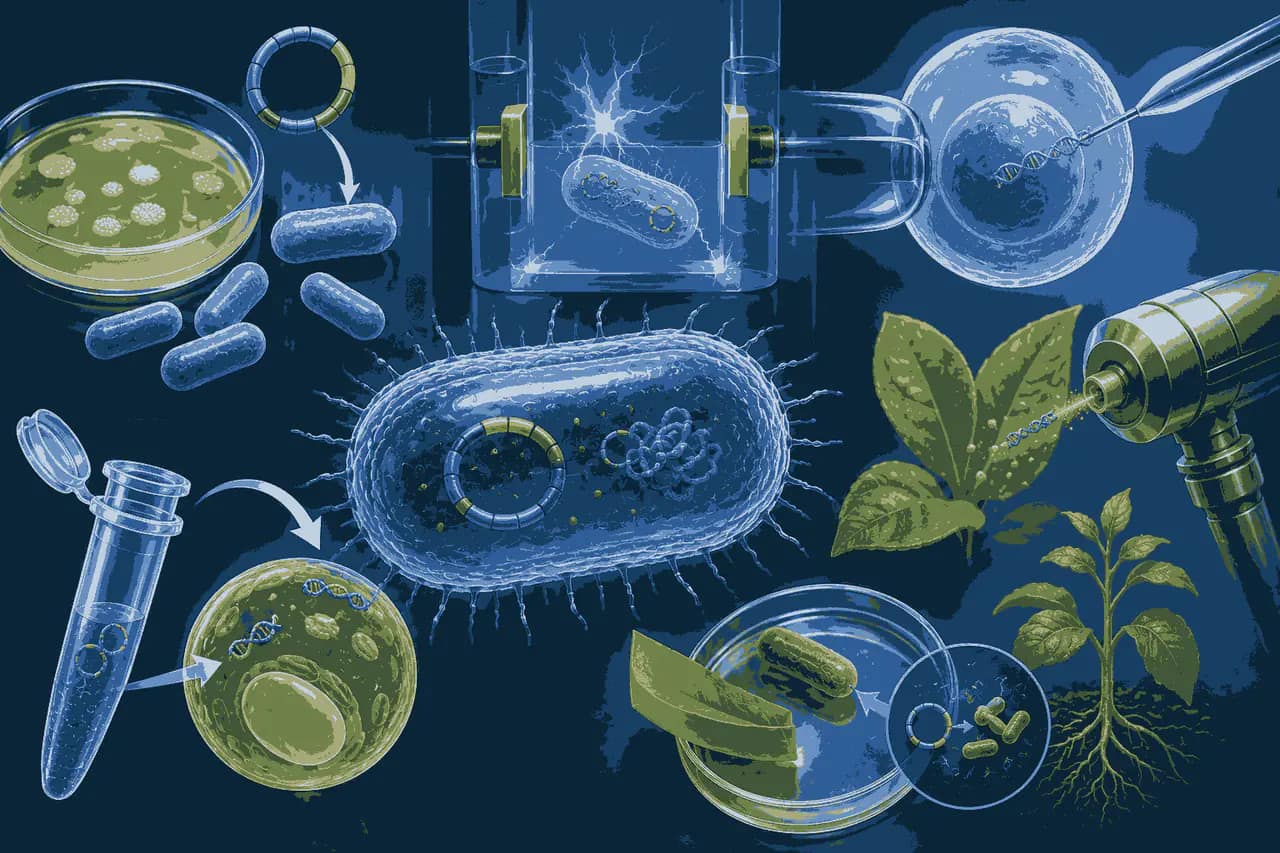
Explore DNA Transformation Methods MCQs with Answers covering competent cells, electroporation, gene gun, microinjection , PEG method , Agrobacterium, and rDNA .
Cloning Vector MCQs with Answers Class 12 - Powerful Practice for Top Marks
Explore Cloning Vector MCQs with Answers Class 12 covering plasmids, ori, selectable markers, restriction sites, pBR322, gene cloning and rDNA revision for NEET