
- Keneitsino Lydia
- June 3, 2026
Proven Vaccination and Immnunization MCQs with Answers for Confident Exam Preparation
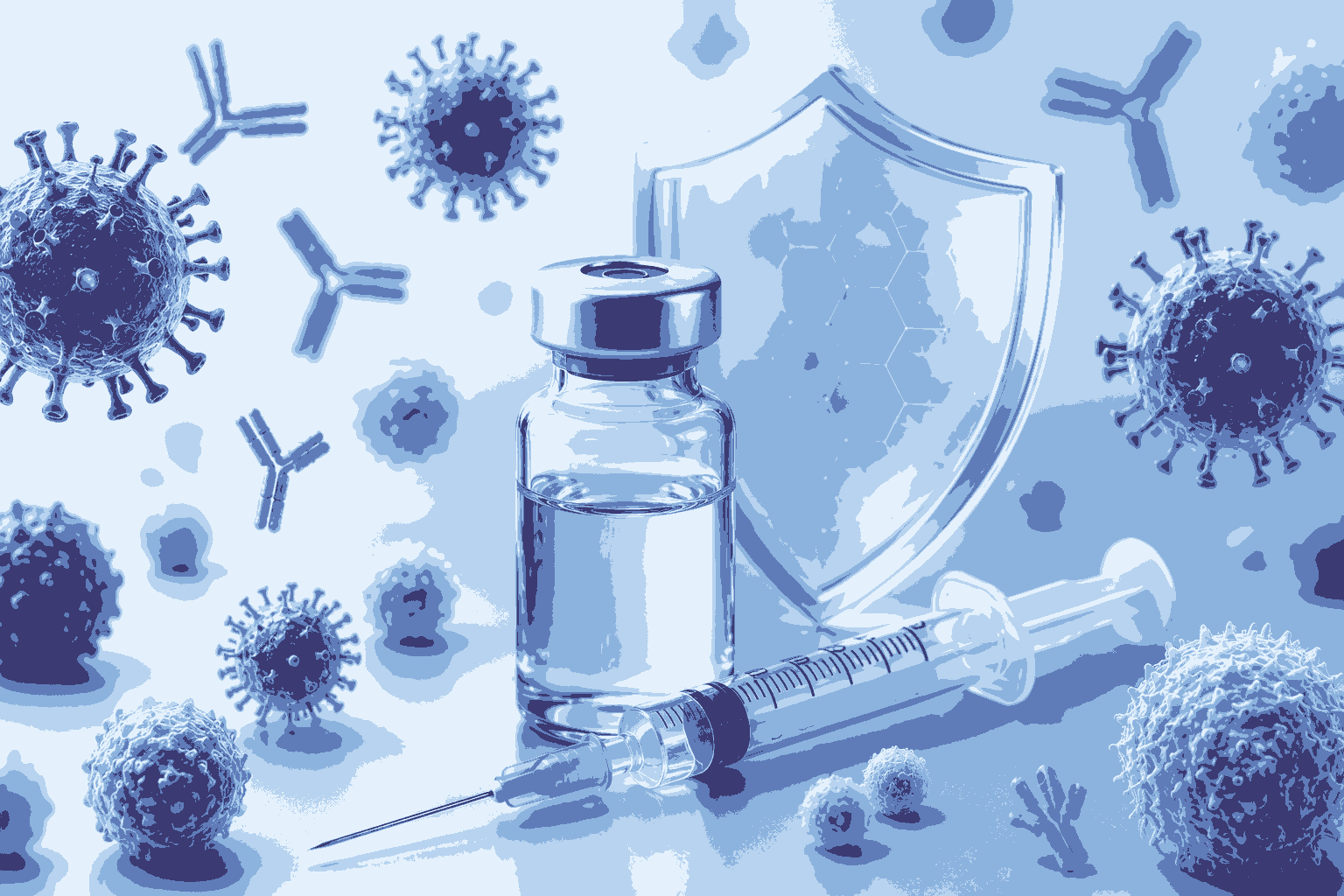
Vaccination and Immnunization MCQs with Answers is an important biology topic for aspirants who want to understand immunity, vaccines, antibodies, memory cells, disease prevention, and public health in a clear and exam-focused way. Vaccination and Immnunization MCQs with Answers helps aspirants revise how the immune system is trained to recognize harmful pathogens before they cause serious disease. In Class 12 Biology and competitive exams, vaccination and immunization are often discussed under human health and disease because they connect immunity, pathogens, antigens, antibodies, lymphocytes, and prevention strategies. Aspirants should understand that vaccination is the process of introducing a vaccine into the body, while immunization is the development of protection against a disease.
Vaccination and Immnunization MCQs with Answers becomes easier when aspirants first understand how vaccines work. A vaccine may contain weakened pathogens, killed pathogens, toxoids, purified antigens, recombinant proteins, or genetic material that stimulates the immune system. Vaccination and Immnunization MCQs with Answers also helps aspirants learn that vaccines do not usually cause the disease; instead, they prepare the body to fight the real pathogen in the future. When a vaccine enters the body, immune cells recognize its antigens and activate B-lymphocytes and T-lymphocytes. This leads to antibody production and memory cell formation.
Vaccination and Immnunization MCQs with Answers is especially useful for understanding active immunity. Active immunity develops when the body produces its own antibodies after exposure to an antigen through infection or vaccination. Vaccination and Immnunization MCQs with Answers explains that active immunity is usually slower to develop but long-lasting because memory cells remain in the body. These memory cells respond quickly when the same pathogen enters again. This is why vaccination protects against diseases such as polio, diphtheria, tetanus, measles, hepatitis B, tuberculosis, pertussis, and influenza.
Vaccination and Immnunization MCQs with Answers also teaches aspirants the difference between active and passive immunity. Passive immunity occurs when ready-made antibodies are transferred into the body. Examples include antibodies passed from mother to foetus through the placenta, antibodies present in colostrum, and antiserum given after snake bite or rabies exposure. Vaccination and Immnunization MCQs with Answers helps aspirants remember that passive immunity is immediate but short-lived, while active immunity takes time but lasts longer. This difference is frequently tested in biology exams.
Vaccination and Immnunization MCQs with Answers includes different vaccine types that aspirants should revise carefully. Live attenuated vaccines contain weakened organisms, while inactivated vaccines contain killed pathogens. Toxoid vaccines contain inactivated toxins, and recombinant vaccines are produced using biotechnology. Vaccination and Immnunization MCQs with Answers helps aspirants connect examples such as BCG vaccine for tuberculosis, DPT vaccine for diphtheria, pertussis, and tetanus, and hepatitis B vaccine as a recombinant vaccine. Aspirants should also remember that influenza vaccines are often inactivated vaccines and that yellow fever vaccine is a live attenuated vaccine.
Vaccination and Immnunization MCQs with Answers supports understanding of herd immunity. Herd immunity occurs when a large part of a population becomes immune to a disease, reducing its spread and protecting vulnerable individuals. Vaccination and Immnunization MCQs with Answers reminds aspirants that immunization programmes are not only individual health measures but also community health strategies. Pulse Polio Programme, BCG vaccination, DPT vaccination, hepatitis B vaccination, and measles immunization campaigns are examples of public health efforts that reduce disease burden.
Vaccination and Immnunization MCQs with Answers should be revised through comparison charts, flow diagrams, and short notes. Aspirants can prepare tables for vaccine name, disease prevented, vaccine type, immune response, and key facts. Vaccination and Immnunization MCQs with Answers becomes stronger when aspirants connect each vaccine with the disease it prevents and the type of immunity it produces. Aspirants should focus on terms such as antigen, antibody, memory lymphocyte, booster dose, toxoid, attenuated vaccine, inactivated vaccine, recombinant vaccine, active immunity, and passive immunity.
Vaccination and Immnunization MCQs with Answers also helps aspirants avoid common confusion. Vaccination is not the same as treatment, because vaccines are usually given before infection to prevent disease. Antibiotics treat bacterial infections, but vaccines train the immune system. Vaccination and Immnunization MCQs with Answers also clarifies that immunization may occur naturally after infection or artificially through vaccination.
Vaccination and Immnunization MCQs with Answers:
- Increased asthmatic attacks in certain seasons are related to:
A. Low temperature
B. Hot and humid environment
C. Eating fruits preserved in tin containers
D. Inhalation of seasonal pollen
Answer: D. Inhalation of seasonal pollen
Explanation: Increased asthmatic attacks in certain seasons are related to inhalation of seasonal pollen. Pollen is one of the most common causes of allergy, especially during spring and early autumn.
- If you suspect deficiency of antibodies in a person, to which of the following would you look for confirmatory evidence?
A. Haemocytes
B. Serum albumins
C. Serum globulins
D. Fibrinogen in the plasma
Answer: C. Serum globulins
Explanation: Antibodies are immunoglobulins, which are part of serum globulins. Therefore, deficiency of antibodies can be checked through serum globulins.
- Who among the following is recognised as the father of Immunology?
A. Edward Jenner
B. Louis Pasteur
C. Robert Koch
D. Ferdinand Kohn
Answer: A. Edward Jenner
Explanation: Edward Jenner is recognised as the Father of Immunology. Louis Pasteur is known for major contributions to microbiology and vaccination, while Robert Koch is known as the Father of Modern Bacteriology.
- Of the following statements about antibodies and antigens, choose the correct set.
Statements:
I. Antibodies are not immunoglobulins.
II. The Fc region of an antibody binds directly to the epitope.
III. The Fc region is the constant region of an antibody that interacts with Fc receptors and complement proteins.
IV. An epitope is the antigenic determinant recognised by antibodies, B-cells, or T-cells.
Options:
A. II and IV
B. I and III
C. III and IV
D. I and II
Answer: C. III and IV
Explanation: Antibodies are immunoglobulins. The Fc region is the constant tail region of an antibody and interacts with Fc receptors and complement proteins. An epitope is the specific part of an antigen recognised by the immune system.
- Match the following components of body defense with their corresponding descriptions.
List-I:
A. Anti-tetanus serum
B. Cytokines
C. Colostrum
D. Tetanus toxoid
List-II:
I. Artificial active immunity
II. Natural passive immunity
III. Artificial passive immunity
IV. General defense component
V. Innate immunity
Options:
A. A-III, B-IV, C-V, D-II
B. A-III, B-II, C-IV, D-I
C. A-I, B-IV, C-II, D-III
D. A-III, B-V, C-II, D-I
Answer: D. A-III, B-V, C-II, D-I
Explanation: Anti-tetanus serum provides artificial passive immunity. Cytokines are part of innate immunity. Colostrum provides natural passive immunity. Tetanus toxoid induces artificial active immunity.
- Match the components of body defense with their corresponding descriptions.
List-I:
A. Active natural immunity
B. First line of defense
C. Passive natural immunity
D. Second line of defense
List-II:
q. Complement proteins and interferons
r. Direct contact with pathogens that have entered inside
s. Surface barriers
t. Antibodies transferred through the placenta
Options:
A. A-s, B-r, C-t, D-q
B. A-r, B-s, C-q, D-t
C. A-r, B-s, C-t, D-q
D. A-t, B-r, C-q, D-p
Answer: C. A-r, B-s, C-t, D-q
Explanation: Active natural immunity develops after natural infection. The first line of defense includes surface barriers. Passive natural immunity includes antibodies transferred through the placenta. The second line of defense includes complement proteins and interferons.
- Which of the following does not protect body surfaces?
A. Skin
B. Mucus
C. Gut microflora
D. Salivary amylase
Answer: D. Salivary amylase
Explanation: Salivary amylase is a digestive enzyme. It helps digest starch but does not act as a protective surface barrier.
- Vaccine for influenza is
A. Inactivated whole agent vaccine
B. Attenuated whole agent vaccine
C. Toxoid
D. Recombinant vector vaccines
Answer: A. Inactivated whole agent vaccine
Explanation: Many influenza vaccines are prepared as inactivated antigen preparations.
- BCG vaccine is used against:
A. TB
B. Leprosy
C. Food poisoning
D. None of these
Answer: A. TB
Explanation: BCG, Bacille Calmette-Guerin, is a vaccine used mainly against tuberculosis.
- How does vaccination work?
A. The immune system produces antibodies, which stay in the blood
B. Memory lymphocytes are produced. They remain in the body to fight off any future infection with the live pathogen
C. The dead pathogen stays in the body and constantly stimulates the immune system
D. All of the above
Answer: D. All of the above
Explanation: Vaccination stimulates the immune system to recognise a pathogen, produce antibodies, and develop memory cells for future protection.
- The Diphtheria, Pertussis, Tetanus, DPT vaccine consists of
A. Live attenuated strains of Diphtheria, Pertussis, Tetanus
B. Toxoid of Diphtheria, Tetanus and heat-killed whole cells of Pertussis
C. Whole cell lysate of Diphtheria, Pertussis, Tetanus
D. Heat-killed strains of Diphtheria, Pertussis, Tetanus
Answer: B. Toxoid of Diphtheria, Tetanus and heat-killed whole cells of Pertussis
Explanation: DPT vaccine contains diphtheria toxoid, tetanus toxoid, and killed pertussis organisms or antigens.
- Allergic reaction can be controlled by
A. Antibiotics
B. Histamines
C. Antihistamines
D. None of the above
Answer: C. Antihistamines
Explanation: Antihistamines block the action of histamine and help reduce symptoms of allergic reactions.
- Assertion: Mast cells in the human body release an excessive amount of inflammatory chemicals, which cause allergic reactions.
Reason: Allergens in the environment, on reacting with the human body, stimulate mast cells in certain individuals.
A. Both Assertion and Reason are true and Reason is the correct explanation of Assertion
B. Both Assertion and Reason are true but Reason is not the correct explanation of Assertion
C. Assertion is true, but Reason is false
D. Both Assertion and Reason are false
Answer: A. Both Assertion and Reason are true and Reason is the correct explanation of Assertion
Explanation: Allergens stimulate mast cells in sensitive individuals. Mast cells release histamine and other inflammatory chemicals, causing allergic reactions.
- Antibody that is capable of crossing the placenta is
A. IgM
B. IgG
C. IgE
D. IgA
Answer: B. IgG
Explanation: IgG is the antibody class that can cross the placenta and provide passive immunity to the foetus.
- All antibodies are commonly known as
A. Albumin
B. α-globulin
C. β-globulin
D. Immunoglobulin
Answer: D. Immunoglobulin
Explanation: Antibodies are also known as immunoglobulins. They are proteins made by the immune system to fight pathogens.
- The term vaccine was introduced by
A. Jenner
B. Koch
C. Pasteur
D. Jointly by Koch and Pasteur
Answer: A. Jenner
Explanation: The term vaccine was introduced by Edward Jenner, who developed the smallpox vaccine.
- What is the term used for a biological preparation that provides active acquired immunity to a particular disease?
A. Antibiotic
B. Antigen
C. Vaccine
D. Antiseptic
Answer: C. Vaccine
Explanation: A vaccine is a biological preparation that provides active acquired immunity against a particular disease.
- What are synthetic vaccines called?
A. First generation
B. Second generation
C. Third generation
D. None of these
Answer: C. Third generation
Explanation: Synthetic vaccines are often classified as third generation vaccines.
- What does VCRC stand for?
A. Vaccine Creation Research Centre
B. Vector Control Research Centre
C. Venum Control Research Centre
D. Vital Chemical Release Centre
Answer: B. Vector Control Research Centre
Explanation: VCRC stands for Vector Control Research Centre.
- Which generation of vaccine is the Hepatitis-B vaccine classified as?
A. First generation vaccine
B. Interferon
C. Second generation vaccine
D. Third generation vaccine
Answer: C. Second generation vaccine
Explanation: Hepatitis-B vaccine is classified as a second generation vaccine.
- Who established the scientific basis of vaccination by demonstrating that weakened or attenuated microbes can be used to make vaccines?
A. Edward Jenner
B. George Kohler
C. Louis Pasteur
D. Von Behring
Answer: C. Louis Pasteur
Explanation: Louis Pasteur established the scientific basis of vaccination by showing that weakened or attenuated microbes could be used to produce vaccines.
- Fastest distribution of some injectable material or medicine with no risk of any kind can be achieved by injecting it into the
A. Lymph vessels
B. Muscles
C. Arteries
D. Veins
Answer: D. Veins
Explanation: Intravenous injection allows rapid distribution of medicine in the body because it directly enters the bloodstream.
- Match the items of Column-I with those of Column-II.
Column-I:
- Hepatitis
- Preformed antibodies
- Colostrum
- PMNL
Column-II:
I. IgA
II. Against snake venom
III. Neutrophils
IV. Yeast
V. Basophils
Options:
A. 1-IV, 2-II, 3-I, 4-III
B. 1-I, 2-II, 3-IV, 4-III
C. 1-IV, 2-II, 3-I, 4-V
D. 1-V, 2-II, 3-IV, 4-I
Answer: A. 1-IV, 2-II, 3-I, 4-III
Explanation: Hepatitis-B vaccine is produced using yeast. Preformed antibodies are used against snake venom. Colostrum contains IgA. PMNL refers to neutrophils.
- Match the following lists.
List-I:
A. Conjugate vaccine
B. Toxoid vaccine
C. Attenuated whole agent vaccine
D. Inactivated whole agent vaccine
List-II:
I. Human papilloma virus
II. Haemophilus influenzae
III. Bubonic plague
IV. Yellow fever
V. Diphtheria
Options:
A. A-I, B-V, C-IV, D-III
B. A-II, B-V, C-IV, D-III
C. A-I, B-II, C-III, D-V
D. A-II, B-III, C-I, D-IV
Answer: B. A-II, B-V, C-IV, D-III
Explanation: Conjugate vaccine is associated with Haemophilus influenzae, toxoid vaccine with diphtheria, attenuated whole agent vaccine with yellow fever, and inactivated whole agent vaccine with bubonic plague.
- Assertion: Interferons are the type of proteins produced by body cells infected by bacteria.
Reason: Interferons protect neighbouring cells from infections.
A. A and R are true, R is the correct explanation of A
B. A and R are true, but R is not the correct explanation of A
C. A is true but R is false
D. A is false but R is true
Answer: D. A is false but R is true
Explanation: Interferons are produced by virus-infected cells, not bacteria-infected cells. They protect neighbouring cells from further viral infection.
- Find out the primary lymphoid organ from the following.
A. Spleen
B. Lymph nodes
C. Thymus gland
D. Tonsils
Answer: C. Thymus gland
Explanation: Primary lymphoid organs include bone marrow and thymus. The thymus is where T-lymphocytes mature.
- Match List-I with List-II.
List-I:
A. Cytokine barriers
B. Cellular barriers
C. Physiological barriers
D. Physical barriers
List-II:
i. Mucus coating of respiratory tract
ii. Interferons
iii. Neutrophils and macrophages
iv. Tears and saliva
Options:
A. A-iii, B-i, C-ii, D-iv
B. A-ii, B-iii, C-i, D-iv
C. A-ii, B-iii, C-iv, D-i
D. A-iii, B-i, C-iv, D-ii
Answer: C. A-ii, B-iii, C-iv, D-i
Explanation: Cytokine barriers include interferons. Cellular barriers include neutrophils and macrophages. Physiological barriers include tears and saliva. Physical barriers include mucus coating of the respiratory tract.
- Removal or absence of thymus in early life shall bring about
A. Lack of lymphocytes
B. Lack of antibodies
C. Lack of lymph nodes
D. All of the above
Answer: A. Lack of lymphocytes
Explanation: The thymus is important for the maturation of T-lymphocytes. Its removal or absence in early life can cause a lack of lymphocytes.
- Which Ig is produced in primary immune response?
A. IgA
B. IgE
C. IgG
D. IgM
Answer: D. IgM
Explanation: IgM is the first immunoglobulin secreted during the primary immune response.
- Which of the following organs is not involved in the elicitation of immune response?
A. Brain
B. Lymph nodes
C. Spleen
D. Thymus
Answer: A. Brain
Explanation: Lymph nodes, spleen, and thymus are involved in immune responses. The brain regulates body functions but is not directly involved in eliciting immune responses.
Conclusion on Vaccination and Immnunization MCQs with Answers
In conclusion, Vaccination and Immnunization MCQs with Answers is a valuable topic for aspirants preparing for Class 12 Biology, NEET, nursing, medical entrance, and other competitive exams. It improves understanding of vaccines, immune memory, antibodies, lymphocytes, active immunity, passive immunity, vaccine types, and public health programmes. Vaccination and Immnunization MCQs with Answers also builds awareness about disease prevention and community protection. With regular revision, Vaccination and Immnunization MCQs with Answers can help aspirants improve speed, accuracy, and confidence in biology examinations. Vaccination and Immnunization MCQs with Answers is not only an exam topic but also a practical concept that explains how science protects human life.