
- Keneitsino Lydia
- April 29, 2026
Last Minute Power Revision: Mixed Reproductive Health MCQs Class 12 Biology STD MTP Amniocentesis Questions for Sure Success
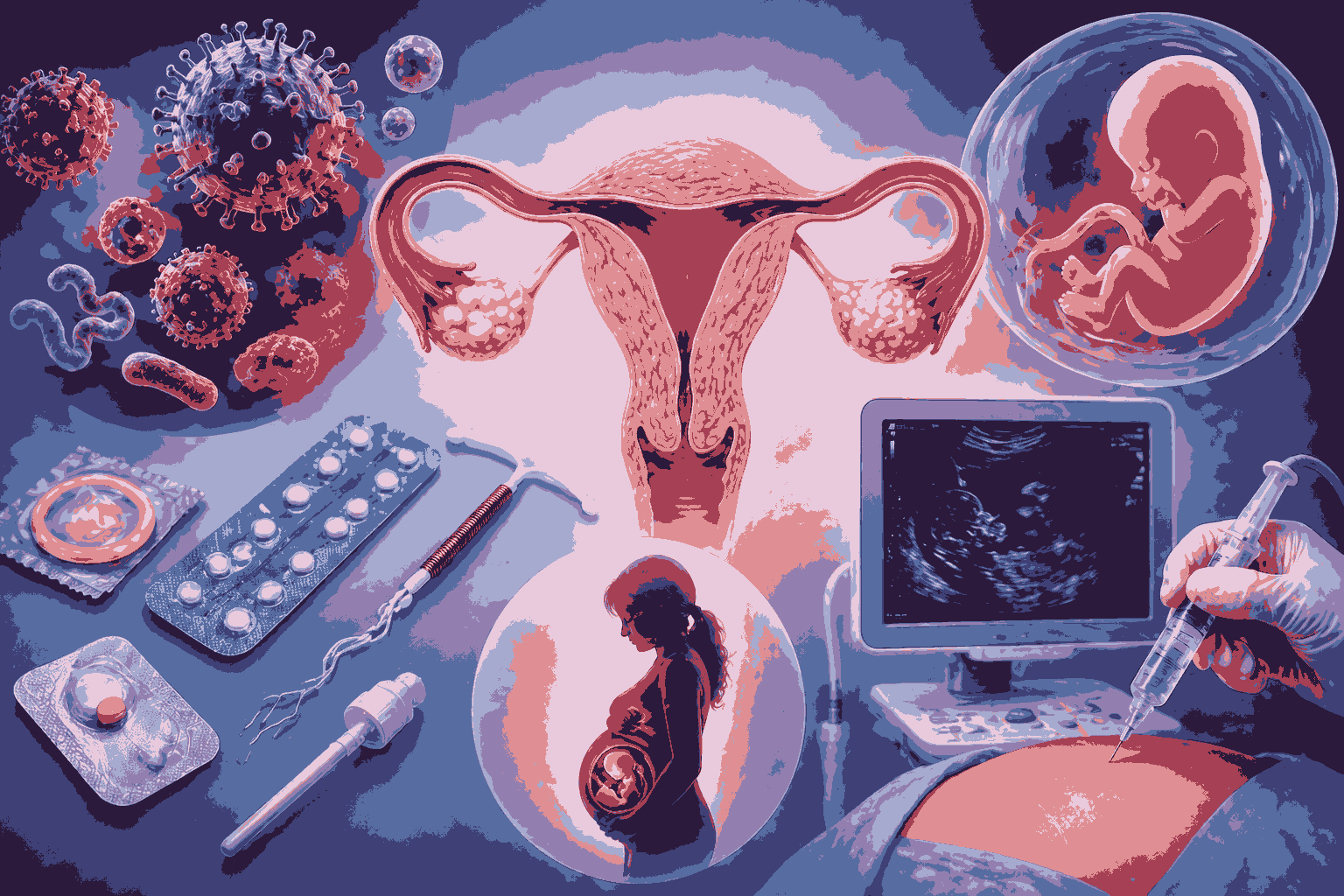
Understanding reproductive health is essential for aspirants preparing for Class 12 Biology examinations. One of the most effective ways to master this topic is by practicing Mixed Reproductive Health MCQs Class 12 Biology STD MTP Amniocentesis Questions, as they cover a wide range of interconnected concepts in a structured manner.
The concept of reproductive health includes multiple areas such as sexually transmitted diseases (STDs), medical termination of pregnancy (MTP), and diagnostic techniques like amniocentesis. Practicing Mixed Reproductive Health MCQs Class 12 Biology STD MTP Amniocentesis Questions helps aspirants understand how these topics are interrelated rather than studying them in isolation.
Sexually transmitted diseases form a crucial part of reproductive health. Through Mixed Reproductive Health MCQs Class 12 Biology STD MTP Amniocentesis Questions, aspirants can clearly differentiate between bacterial, viral, and protozoan infections. Diseases like syphilis, gonorrhoea, AIDS, and hepatitis-B are frequently tested, and solving Mixed Reproductive Health MCQs Class 12 Biology STD MTP Amniocentesis Questions improves accuracy in identifying symptoms, causative agents, and modes of transmission.
Another significant aspect covered in Mixed Reproductive Health MCQs Class 12 Biology STD MTP Amniocentesis Questions is the concept of MTP. Medical Termination of Pregnancy is a sensitive yet important topic in biology. Aspirants often get confused about legal aspects and safety periods. Regular practice of Mixed Reproductive Health MCQs Class 12 Biology STD MTP Amniocentesis Questions ensures clarity on the first trimester safety, ethical considerations, and government regulations.
Amniocentesis is also a frequently asked concept in exams. It is a diagnostic procedure used to detect genetic disorders in the foetus. By solving Mixed Reproductive Health MCQs Class 12 Biology STD MTP Amniocentesis Questions, aspirants can understand both its medical importance and legal restrictions, especially regarding its misuse for sex determination.
One of the key benefits of practicing Mixed Reproductive Health MCQs Class 12 Biology STD MTP Amniocentesis Questions is conceptual integration. Instead of memorizing facts, aspirants learn how topics like STDs, MTP, and prenatal diagnosis are connected. This holistic understanding is essential for solving higher-order thinking questions in competitive exams.
In addition, Mixed Reproductive Health MCQs Class 12 Biology STD MTP Amniocentesis Questions help aspirants identify common mistakes. For instance, confusing curable and non-curable STDs or misunderstanding the purpose of amniocentesis can lead to errors. Regular revision using Mixed Reproductive Health MCQs Class 12 Biology STD MTP Amniocentesis Questions minimizes such mistakes.
Time management is another advantage of practicing Mixed Reproductive Health MCQs Class 12 Biology STD MTP Amniocentesis Questions. In exams like NEET, quick recall and accuracy are crucial. By solving Mixed Reproductive Health MCQs Class 12 Biology STD MTP Amniocentesis Questions, aspirants develop the ability to answer questions faster without compromising correctness.
Moreover, Mixed Reproductive Health MCQs Class 12 Biology STD MTP Amniocentesis Questions also strengthen analytical thinking. Many questions are application-based, requiring aspirants to interpret scenarios related to reproductive health. Consistent practice ensures that aspirants are well-prepared for such questions.
Another important reason to focus on Mixed Reproductive Health MCQs Class 12 Biology STD MTP Amniocentesis Questions is their high weightage in board exams and entrance tests. Topics like contraception, STDs, and reproductive technologies frequently appear in exams, making Mixed Reproductive Health MCQs Class 12 Biology STD MTP Amniocentesis Questions a reliable preparation tool.
Aspirants should also note that Mixed Reproductive Health MCQs Class 12 Biology STD MTP Amniocentesis Questions improve retention. Repeated exposure to questions reinforces concepts, making it easier to recall information during exams. This method is far more effective than passive reading.
Furthermore, practicing Mixed Reproductive Health MCQs Class 12 Biology STD MTP Amniocentesis Questions enhances confidence. When aspirants are familiar with different types of questions, they approach exams with a clear mindset and reduced anxiety.
Finally, Mixed Reproductive Health MCQs Class 12 Biology STD MTP Amniocentesis Questions serve as a complete revision tool. They cover theory, application, and problem-solving in one place, making them ideal for last-minute preparation.
Mixed Reproductive Health MCQs Class 12 Biology STD MTP Amniocentesis Questions:
1. Which of the following includes only sexually transmitted diseases?
A. AIDS, syphilis, cholera
B. Gonorrhoea, hepatitis-B, Chlamydiasis
C. HIV, Malaria, trichomoniasis
D. Hepatitis-B, Haemophilia, AIDS
Answer: B
Explanation: Gonorrhoea, hepatitis-B, and Chlamydiasis are all sexually transmitted diseases (STDs). Others include non-STD diseases like cholera and malaria.
2. Which disease mainly affects the mucous membrane of the urinogenital tract?
A. AIDS
B. Gonorrhea
C. None of these
D. Syphilis
Answer: B
Explanation: Gonorrhea specifically infects the mucous membrane of the urinogenital tract causing burning urination and discharge.
3. Match the causative agents with the sexually transmitted diseases they cause:
Column I (Agents)
A. Treponema pallidum
B. HSV (Herpes Simplex Virus)
C. Trichomonas vaginalis
D. Chlamydia trachomatis
Column II (Diseases)
- Syphilis
- Genital herpes
- Trichomoniasis
- Chlamydiasis
Options:
A. A–1, B–2, C–3, D–4
B. A–2, B–3, C–4, D–1
C. A–3, B–4, C–1, D–2
D. A–4, B–3, C–2, D–1
Answer: A
Explanation:
- Treponema pallidum → Syphilis
- HSV → Genital herpes
- Trichomonas vaginalis → Trichomoniasis
- Chlamydia trachomatis → Chlamydiasis
4. Which disease requires direct person-to-person contact?
A. Amoebiasis
B. Diphtheria
C. Malaria
D. Syphilis
Answer: D
Explanation: Syphilis spreads through direct sexual contact, unlike others transmitted via vectors or environment.
5. What is another name for Hepatitis-B?
A. Catarrhal jaundice
B. Epidemic jaundice
C. None of the above
D. Serum jaundice
Answer: D
Explanation: Hepatitis-B is transmitted through blood and is therefore called serum hepatitis.
6. How can venereal diseases spread?
A. Infected mother to foetus
B. Kissing
C. Transfusion of infected blood
D. Using sterile needles
Answer: B
Explanation: While actual spread is via blood transfusion and mother-to-child, the given answer suggests “kissing,” which may transmit infections in some cases (though less common).
7. Which STD is not completely curable?
A. Chlamydiasis
B. Genital herpes
C. Genital tract
D. Gonorrhoea
Answer: B
Explanation: Genital herpes is viral and cannot be completely cured, only managed.
8. Which STDs do not specifically affect reproductive organs?
A. AIDS and Hepatitis-B
B. Chlamydiasis and AIDS
C. Genital warts and Hepatitis-B
D. Syphilis and herpes
Answer: C
Explanation: These affect systemic organs like liver (Hepatitis-B) or skin (warts).
9. Genes for cytoplasmic male sterility are located in:
A. Chloroplast genome
B. Cytosol
C. Mitochondrial genome
D. Nuclear genome
Answer: C
Explanation: Cytoplasmic male sterility is controlled by mitochondrial DNA.
10. Which statement is correct?
A. Gonorrhoea is viral
B. Hepatitis B is eradicated
C. HIV is pathogen whereas others are diseases
D. Trichomoniasis is only STD
Answer: C
Explanation: HIV is the pathogen, while others refer to diseases caused by pathogens.
11. Correct match:
A. Gonorrhoea – Entamoeba
B. Soft sore – Bacillus
C. Syphilis – Treponema pallidum
D. Urethritis – Bacillus
Answer: C
Explanation: Treponema pallidum causes syphilis.
12. STD not completely curable:
A. Gonorrhea
B. Hepatitis-B
C. Syphilis
D. Trichomoniasis
Answer: B
Explanation: Hepatitis-B is viral and not completely curable.
13. Match the diseases with their symptoms:
Column I (Diseases)
P. Trichomoniasis
Q. Syphilis
R. Gonorrhoea
S. Genital herpes
Column II (Symptoms)
i. Feeling of uneasiness
ii. Pain in lower abdomen
iii. Patchy hair loss
iv. Inflammation and itching in genital region
Options:
A. P–iv, Q–iii, R–ii, S–i
B. P–iii, Q–ii, R–i, S–iv
C. P–ii, Q–iv, R–iii, S–i
D. P–i, Q–iii, R–iv, S–ii
Answer: A
Explanation:
- Trichomoniasis → itching/inflammation
- Syphilis → patchy hair loss (secondary stage)
- Gonorrhoea → abdominal pain
- Genital herpes → uneasiness/discomfort
14. STD affecting newborn eyes:
A. AIDS
B. Gonorrhoea
C. Hepatitis
D. Syphilis
Answer: B
Explanation: Gonorrhoea can infect newborn eyes during birth.
15. Not an STD:
A. AIDS
B. Hepatitis-B
C. Pertussis
D. Syphilis
Answer: C
Explanation: Pertussis is a respiratory disease.
16. Chancre is caused by:
A. Hepatitis virus
B. HIV
C. Neisseria
D. Treponema pallidum
Answer: D
Explanation: Primary symptom of syphilis is chancre.
17. HIV destroys:
A. Cytotoxic T-cells
B. Helper T-cells
C. Killer T-cells
D. Suppressor T-cells
Answer: B
Explanation: HIV targets CD4 helper T-cells.
18. Treponema pallidum causes:
A. AIDS
B. Cholera
C. Gonorrhoea
D. Syphilis
Answer: D
Explanation: It is the bacterium responsible for syphilis.
19. PID stands for:
A. Pelvic inflammatory disease
B. Pelvic infection disease
C. Pregnancy inflammatory disease
D. Pregnancy infection disease
Answer: A
Explanation: PID affects female reproductive organs.
20. Which is STD?
A. Cancer
B. Malaria
C. Pneumonia
D. Trichomoniasis
Answer: D
Explanation: Caused by parasite Trichomonas vaginalis.
21. Chancre and rash symptoms:
A. AIDS
B. Fever
C. Gonorrhoea
D. Syphilis
Answer: D
Explanation: Classic symptoms of syphilis.
22. HPV causes:
A. Hepatitis-B
B. Herpes
C. Syphilis
D. Cervical cancer
Answer: D
Explanation: HPV leads to cervical cancer.
23. Gonorrhoea is caused by:
A. Entamoeba
B. Mycobacterium
C. Neisseria gonorrhoeae
D. Treponema
Answer: C
Explanation: Bacterial infection.
24. Not STD:
A. AIDS
B. Syphilis
C. Tetanus
D. Trichomoniasis
Answer: C
Explanation: Tetanus is caused by bacteria in wounds.
25. Not STD:
A. Chlamydiasis
B. Genital warts
C. Myasthenia gravis
D. Syphilis
E. Trichomoniasis
Answer: C
Explanation: Autoimmune disease.
26. MTP is safe during:
A. 180 days
B. 24 weeks
C. First trimester
D. Second trimester
Answer: C
Explanation: Safest within first 12 weeks.
27. Incorrect MOET statement:
A. Artificial insemination used
B. Hormones induce ovulation
C. Transfer at 4–6 cell stage
D. Used to increase herd
Answer: C
Explanation: Transfer happens at 8–32 cell stage.
28. Match the types of IUDs with their descriptions:
Column I (Types of IUDs)
A. Non-medicated IUDs
B. Copper-releasing IUDs
C. Hormone-releasing IUDs
D. Barrier devices
Column II (Descriptions/Examples)
i. Vaults (rubber barriers)
ii. LNG-20, Progestasert
iii. Lippes loop
iv. Cu-T, Cu-7, Multiload 375
Options:
A. A–iii, B–iv, C–ii, D–i
B. A–ii, B–iii, C–iv, D–i
C. A–iv, B–iii, C–i, D–ii
D. A–i, B–ii, C–iii, D–iv
Answer: A
Explanation:
- Non-medicated → Lippes loop
- Copper IUDs → Cu-T, Cu-7
- Hormonal → LNG-20, Progestasert
- Barrier → Vaults
29. Purpose of amniocentesis:
A. Detect brain disease
B. Detect heart disease
C. Determine sex of foetus
D. Grow cells
Answer: C
Explanation: Used for prenatal diagnosis.
30. Technique for detecting fetal disorders:
A. Amniocentesis
B. Castration
C. None
D. Ovariectomy
Answer: A
Explanation: Detects genetic and chromosomal abnormalities.
Conclusion on Mixed Reproductive Health MCQs Class 12 Biology STD MTP Amniocentesis Questions
In conclusion, Mixed Reproductive Health MCQs Class 12 Biology STD MTP Amniocentesis Questions are essential for mastering reproductive health topics. They provide clarity, improve accuracy, and build confidence among aspirants. By consistently practicing Mixed Reproductive Health MCQs Class 12 Biology STD MTP Amniocentesis Questions, aspirants can achieve better results and strengthen their conceptual understanding effectively.