
- Keneitsino Lydia
- April 27, 2026
Ultimate Myometrium Function in Parturition MCQs with Answers – Crack NEET, JEE & CUET With Confidence
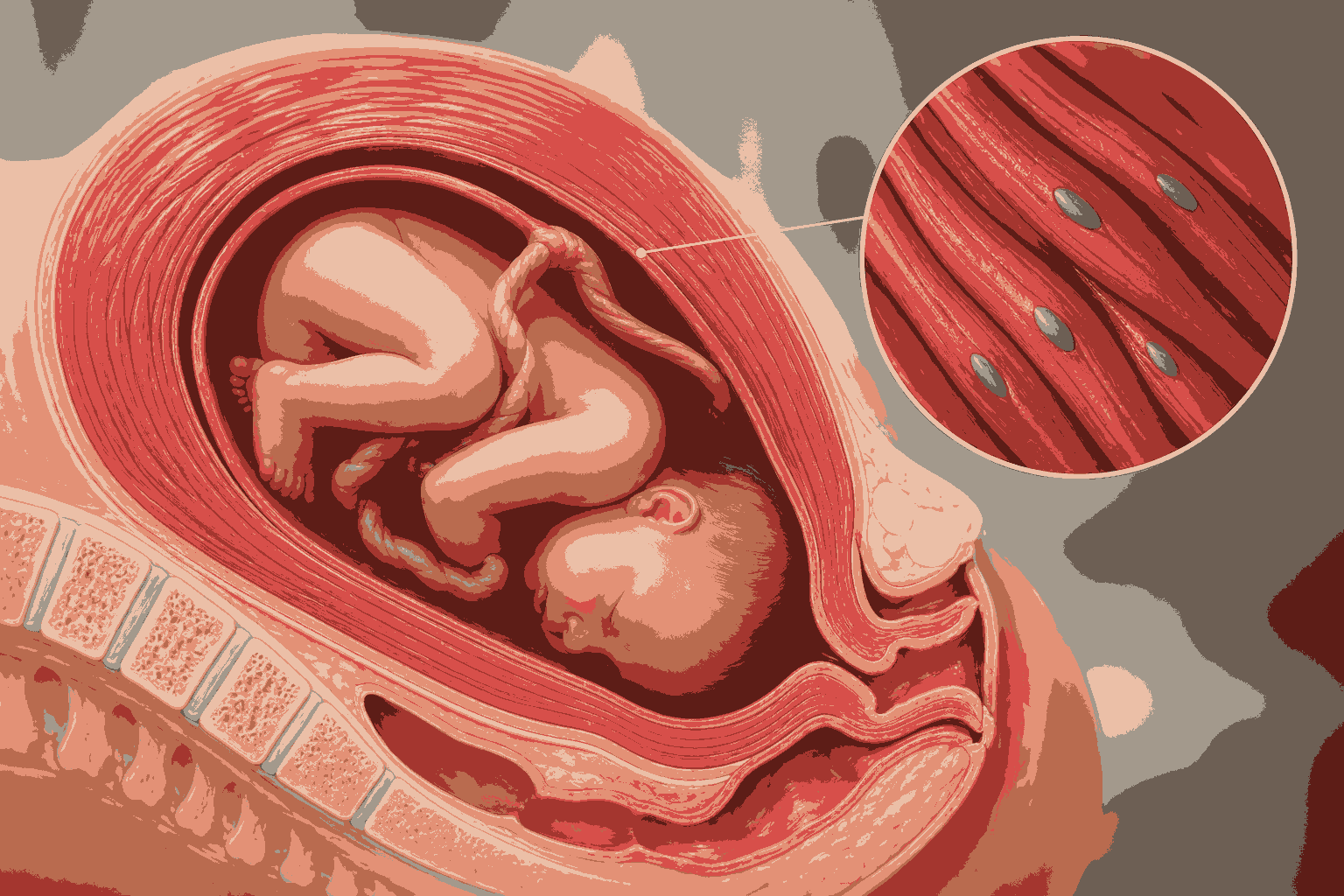
For aspirants preparing for Class 12 Biology and competitive exams, understanding uterine physiology is essential. One of the most important concepts is the role of the myometrium during childbirth. When aspirants explore Myometrium Function in Parturition MCQs with Answers, they gain clarity on how muscular contractions facilitate the delivery of a baby.
The myometrium is the middle, thick muscular layer of the uterus composed of smooth muscle fibers. Aspirants studying Myometrium Function in Parturition MCQs with Answers learn that this layer is responsible for powerful uterine contractions during labor. These contractions are crucial for expelling the fully developed foetus from the uterus.
While revising Myometrium Function in Parturition MCQs with Answers, aspirants understand that parturition, or childbirth, is a complex physiological process involving hormonal signals and mechanical forces. The myometrium plays a central role by generating rhythmic contractions that gradually increase in intensity.
Aspirants practicing Myometrium Function in Parturition MCQs with Answers often encounter the concept of the foetal ejection reflex. This reflex is initiated by signals from the fully developed foetus and placenta. These signals stimulate the release of oxytocin, which directly acts on the myometrium to induce contractions.
Through Myometrium Function in Parturition MCQs with Answers, aspirants also learn that oxytocin is secreted by the posterior pituitary gland and enhances the strength and frequency of uterine contractions. This creates a positive feedback loop where contractions stimulate more oxytocin release.
Another key concept highlighted in Myometrium Function in Parturition MCQs with Answers is the role of prostaglandins. These chemical messengers further intensify uterine contractions and assist in cervical dilation, ensuring smooth progression of labor.
Aspirants studying Myometrium Function in Parturition MCQs with Answers should note that the myometrium remains relatively inactive during pregnancy. High levels of progesterone help maintain uterine relaxation. However, as delivery approaches, the balance between estrogen and progesterone shifts, making the myometrium more responsive to contraction signals.
When aspirants revise Myometrium Function in Parturition MCQs with Answers, they understand that estrogen increases the sensitivity of the myometrium to oxytocin. This hormonal change is critical for initiating effective labor contractions.
Another important takeaway from Myometrium Function in Parturition MCQs with Answers is that the contractions of the myometrium are involuntary. They are controlled by the autonomic nervous system and hormonal regulation rather than conscious effort.
Aspirants preparing through Myometrium Function in Parturition MCQs with Answers also learn about the stages of labor. During the first stage, the myometrium contracts to dilate the cervix. In the second stage, stronger contractions help push the baby out. In the third stage, contractions assist in the expulsion of the placenta.
Understanding these stages through Myometrium Function in Parturition MCQs with Answers helps aspirants connect theoretical concepts with real-life biological processes.
Additionally, Myometrium Function in Parturition MCQs with Answers emphasize that effective contractions depend on coordinated muscle activity. The muscle fibers of the myometrium contract in a synchronized manner, ensuring efficient delivery.
Aspirants should also remember from Myometrium Function in Parturition MCQs with Answers that insufficient contractions can lead to complications during childbirth, requiring medical intervention such as induced labor.
Another important concept in Myometrium Function in Parturition MCQs with Answers is the role of relaxin. This hormone helps soften the cervix and relax pelvic ligaments, complementing the action of the myometrium during parturition.
Aspirants focusing on Myometrium Function in Parturition MCQs with Answers gain a deeper understanding of how multiple hormones work together to regulate childbirth.
Furthermore, Myometrium Function in Parturition MCQs with Answers highlight the importance of timing in hormonal release. The coordinated action of oxytocin, estrogen, and prostaglandins ensures that contractions occur at the right time.
By practicing Myometrium Function in Parturition MCQs with Answers, aspirants improve their ability to answer application-based questions in exams.
Another benefit of studying Myometrium Function in Parturition MCQs with Answers is enhanced conceptual clarity in human reproduction, a high-weightage topic in board exams and NEET.
Aspirants should regularly revise Myometrium Function in Parturition MCQs with Answers to strengthen retention and improve exam performance.
Through consistent practice of Myometrium Function in Parturition MCQs with Answers, aspirants can confidently tackle questions related to uterine contractions and hormonal regulation.
Myometrium Function in Parturition MCQs with Answers:
1.
What is the expulsion of a completely developed foetus from the uterus known as?
A. Ovulation
B. Oviposition
C. Gestation
D. Parturition
Answer: D
Explanation: Parturition is the process of childbirth, where a fully developed fetus is expelled from the uterus.
2.
What is the term used to describe the laying of eggs?
A. Parturition
B. Oviposition
C. Ovulation
D. Colostrum
Answer: B
Explanation: Oviposition refers to the process of laying eggs in oviparous organisms.
3.
Where is the protein content maximum?
A. Human milk
B. Buffalo milk
C. Colostrum
D. Cow milk
Answer: C
Explanation: Colostrum contains the highest protein content along with antibodies for newborn immunity.
4.
What is the first milk produced after childbirth called?
A. Sebum
B. Cerumen
C. True milk
D. Colostrum
Answer: D
Explanation: Colostrum is the first milk after childbirth, rich in antibodies that protect the newborn.
5.
Which hormone stimulates breast development for lactation?
A. Estrogen
B. Human placental lactogen
C. Progesterone
D. hCG
Answer: B
Explanation: Human placental lactogen (hPL) prepares mammary glands for milk production.
6.
What type of immunity is provided by colostrum?
A. Autoimmunity
B. Passive immunity
C. Active immunity
D. Acquired immunity
Answer: B
Explanation: Colostrum contains antibodies (especially IgA) that provide passive immunity to the newborn.
7.
Which of the following is NOT involved in initiation of parturition?
A. Prolactin
B. Increased estrogen-progesterone ratio
C. Prostaglandins
D. Oxytocin
Answer: A
Explanation: Prolactin is involved in milk production, not in initiating childbirth.
8.
Which contraceptive method involves hormones?
A. Barrier method, Lactational amenorrhea, Pills
B. Copper-T, Pills, Emergency contraceptives
C. Pills, Emergency contraceptives, Barrier methods
D. Lactational amenorrhea, Pills, Emergency contraceptives
Answer: D
Explanation: Pills and emergency contraceptives use hormones; lactational amenorrhea is hormonally regulated.
9.
What does colostrum contain that provides immunity?
A. Monocytes
B. Macrophages
C. Immunoglobulin A
D. NK cells
Answer: C
Explanation: IgA antibodies protect newborns from infections.
10.
Hormone responsible for milk ejection and foetal ejection reflex:
A. Relaxin
B. Estrogen
C. Prolactin
D. Oxytocin
Answer: D
Explanation: Oxytocin triggers uterine contractions and milk ejection.
11.
Choose the correct statement:
A. hPL causes parturition
B. Foetus moves first in 7th month
C. Signal for parturition comes from foetus & placenta
D. Heart forms in 2nd month
Answer: C
Explanation: Signals from fetus and placenta initiate childbirth.
12.
Match List I with List II and choose the correct answer:
List-I
A. Hypothalamus
B. Acrosome
C. Graafian follicle
D. Leydig cells
E. Parturition
List-II
- Sperm lysin
- Estrogen
- Relaxin
- GnRH
- Testosterone
Options:
A. A–4, B–1, C–2, D–3, E–5
B. A–2, B–1, C–4, D–3, E–5
C. A–2, B–1, C–5, D–4, E–3
D. A–4, B–1, C–2, D–5, E–3
Answer: D
Explanation:
- Hypothalamus → GnRH (4): It releases Gonadotropin-Releasing Hormone which controls pituitary hormones.
- Acrosome → Sperm lysin (1): The acrosome contains enzymes that help sperm penetrate the ovum.
- Graafian follicle → Estrogen (2): It secretes estrogen during the follicular phase.
- Leydig cells → Testosterone (5): These cells in testes produce male sex hormone testosterone.
- Parturition → Relaxin (3): Relaxin helps in childbirth by relaxing pelvic ligaments and cervix.
13.
Match List I with List II and choose the correct answer:
List I
A. Hypothalamus
B. Acrosome
C. Graafian follicle
D. Leydig cells
E. Parturition
List II
- Sperm lysin
- Estrogen
- Relaxin
- GnRH
- Testosterone
Options:
a) A-4, B-1, C-2, D-3, E-5
b) A-2, B-1, C-4, D-3, E-5
c) A-2, B-1, C-5, D-4, E-3
d) A-4, B-1, C-2, D-5, E-3
Answer: d) A-4, B-1, C-2, D-5, E-3
Explanation:
Hypothalamus releases GnRH, acrosome contains sperm lysin, Graafian follicle secretes estrogen, Leydig cells produce testosterone, and relaxin helps during parturition by relaxing pelvic ligaments and cervix.
14.
Mammary glands are modified:
A. Sweat glands
B. Sebaceous glands
C. Lacrimal glands
D. Endocrine glands
Answer: A
Explanation: Mammary glands are specialized sweat glands.
15.
Match the following (Historical reproductive milestones):
List I
A. Family planning programme
B. Pre-natal Diagnostic Techniques Act
C. Legalisation of MTP
D. Advent of amniocentesis
List II
i. 1970
ii. 1971
iii. 1952
iv. 1994
Options:
A. A-iv, B-iii, C-i, D-ii
B. A-ii, B-iv, C-iii, D-i
C. A-ii, B-i, C-iv, D-iii
D. A-iii, B-iv, C-ii, D-i
Answer: D
Explanation:
- Family planning → 1952
- PNDT Act → 1994
- MTP → 1971
- Amniocentesis → 1970
16.
Which statements are correct regarding reproductive health?
(A) Reproductive health means total well-being
(B) Amniocentesis is banned for sex determination
(C) Saheli is developed in India
(D) Amniocentesis detects genetic disorders
Options:
A. (A), (B), (D)
B. (A), (C)
C. (B), (C)
D. (C), (D)
Answer: A
Explanation: All except (C) are universally correct as per NCERT framing.
17.
Match contraceptive methods:
A. Vasectomy → Surgical
B. Coitus interruptus → Natural
C. Cervical caps → Barrier
D. Saheli → Oral
Answer: C
Explanation: All matches correctly describe contraceptive types.
18.
What is the purpose of amniocentesis?
A. To remove the uterus
B. To detect the sex of the developing foetus and genetic disorders
C. To remove the mammary glands
D. To prevent fertilization
Answer: B
Explanation: Amniocentesis is a prenatal diagnostic technique used to detect genetic disorders, chromosomal abnormalities, and sometimes the sex of the foetus (though sex determination is legally restricted in India).
19.
What is hysterectomy?
A. Removal of prostate gland
B. Removal of vas deferens
C. Removal of mammary glands
D. Removal of uterus
Answer: D
Explanation: Hysterectomy is a surgical procedure to remove the uterus, often performed due to medical conditions like fibroids, cancer, or severe bleeding.
20.
Which factors indicate improved reproductive health of society?
- Better detection and cure of diseases
- Better post-natal care
- Medically assisted deliveries
- Increased MMR
A. 2, 3, 4
B. 1, 2, 3
C. 1, 3, 4
D. 1, 2, 4
Answer: B
Explanation: Improved reproductive health includes better healthcare, reduced mortality, and improved maternal care. Increased MMR (Maternal Mortality Rate) indicates poor health, so option 4 is incorrect.
21.
What is auxetic growth seen in?
A. Rotifers
B. Nematodes
C. Tunicates
D. All of these
Answer: D
Explanation: Auxetic growth refers to growth by increase in cell size without division, observed in organisms like rotifers, nematodes, and tunicates.
22.
What is Multiload 375?
A. A barrier method
B. An oral contraceptive pill
C. An intrauterine device (IUD)
D. A contraceptive injection
Answer: C
Explanation: Multiload 375 is a copper-releasing intrauterine device (IUD) used for long-term contraception.
23.
What is the term for rapid increase of population in a short period?
A. Natural increase
B. Population growth
C. Population explosion
D. None of the above
Answer: C
Explanation: A sudden and rapid rise in population is called population explosion, often due to decreased death rates and improved healthcare.
24.
Isolation when species reproduce at different times is called:
A. Ecological isolation
B. Behavioural isolation
C. Temporal isolation
D. Mechanical isolation
Answer: C
Explanation: Temporal isolation occurs when species breed at different times, preventing interbreeding.
25.
Isolation due to different maturity timing is called:
A. Seasonal isolation
B. Mechanical isolation
C. Habitat isolation
D. Ethological isolation
Answer: A
Explanation: Seasonal isolation occurs when organisms reach sexual maturity at different times, preventing mating.
26.
Cause of population explosion:
A. Decrease in death rate
B. Increase in mortality rate
C. Increase in death rate
D. Decrease in reproductive population
Answer: A
Explanation: Population explosion mainly occurs due to reduced death rates and improved medical facilities.
27.
Sex ratio in India (approx):
A. 1000 males : 1200 females
B. 1000 males : 965 females
C. 1000 males : 1071 females
D. 1000 males : 960 females
Answer: D
Explanation: Historically, India’s sex ratio has been around 1000 males : ~940–960 females.
28.
Example of hormone-releasing IUD:
A. Implant
B. LNG-20
C. Multiload 375
D. Lippes loop
Answer: B
Explanation: LNG-20 is a hormone-releasing intrauterine device that releases progesterone.
29.
Saheli contraceptive was developed at:
A. CDRI Lucknow
B. IISc Bengaluru
C. CSIR Delhi
D. ICMR Delhi
Answer: A
Explanation: Saheli is a non-steroidal oral contraceptive developed by CDRI, Lucknow.
30.
Oral contraceptive pills contain:
A. Estrogen and progesterone
B. Estrogen and testosterone
C. Progesterone and testosterone
D. Estrogen and growth hormone
Answer: A
Explanation: Oral contraceptive pills contain estrogen and progesterone, which prevent ovulation and fertilization.
Conclusion on Myometrium Function in Parturition MCQs with Answers
In conclusion, Myometrium Function in Parturition MCQs with Answers provide a comprehensive understanding of the mechanisms involved in childbirth. They help aspirants connect anatomy, physiology, and hormonal control in a meaningful way.