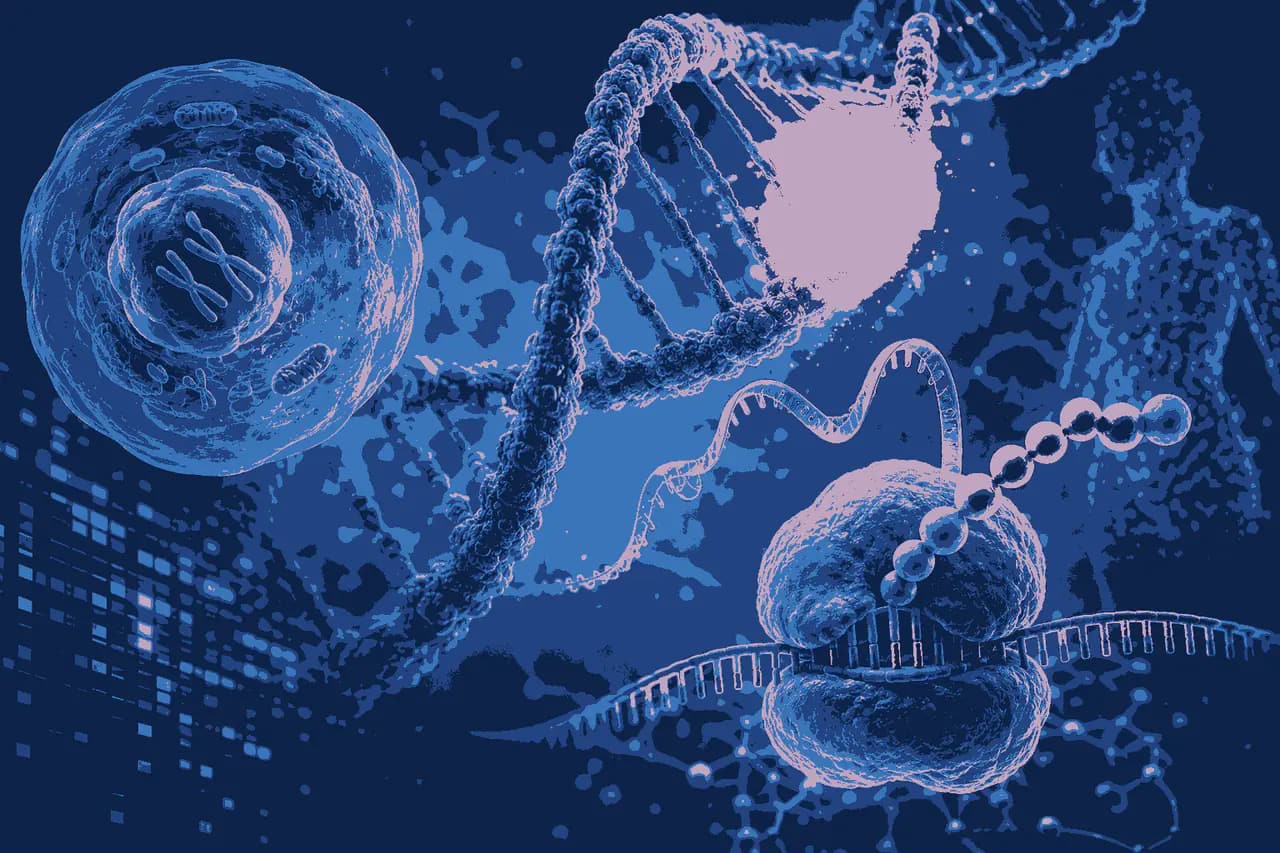
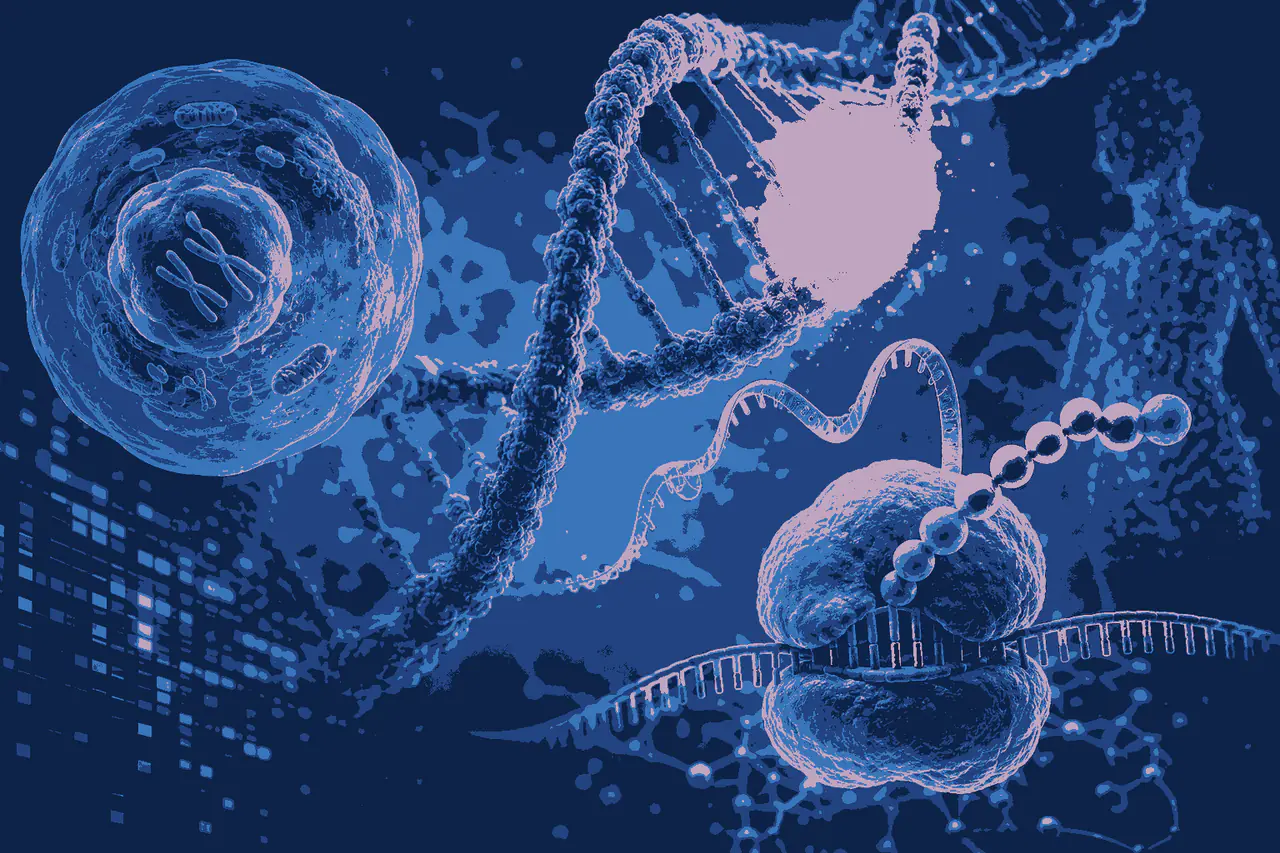
Human genetics and molecular biology are among the most important topics for biology aspirants preparing for board examinations, NEET, and other competitive entrance tests. One of the most searched educational resources today is Human Genome and Gene Expression MCQs because this topic combines concepts from genetics, biotechnology, molecular biology, and heredity. Many aspirants prefer studying through Human Genome and Gene Expression MCQs because these questions help strengthen conceptual clarity while improving objective-solving speed. Since genetics-based questions are commonly repeated in examinations, regular revision using Human Genome and Gene Expression MCQs becomes extremely beneficial for aspirants aiming for high scores.
The Human Genome Project was one of the greatest scientific achievements in biology. It aimed to identify and sequence all the genes present in human DNA. Aspirants often use Human Genome and Gene Expression MCQs to understand important concepts such as genome mapping, DNA sequencing, gene count, and chromosomal organization. The human genome contains nearly 3.1 billion base pairs and approximately 30,000 genes. These facts are highly important for examinations, and continuous practice through Human Genome and Gene Expression MCQs helps aspirants remember such details effectively.
Gene expression is another major concept covered in Human Genome and Gene Expression MCQs. Gene expression refers to the process through which the information present in genes is converted into functional proteins. This process involves transcription and translation. Aspirants preparing through Human Genome and Gene Expression MCQs often revise the role of mRNA, tRNA, rRNA, RNA polymerase, ribosomes, codons, and anticodons. Since these concepts are interconnected, practicing with Human Genome and Gene Expression MCQs helps aspirants develop a complete understanding of molecular biology.
One of the most important topics included in Human Genome and Gene Expression MCQs is transcription. During transcription, RNA polymerase synthesizes mRNA using DNA as a template. In eukaryotes, this process occurs inside the nucleus. Aspirants frequently encounter questions about promoters, terminators, exons, introns, and RNA splicing while solving Human Genome and Gene Expression MCQs. Understanding the structure of genes and post-transcriptional modifications becomes easier when aspirants repeatedly revise using Human Genome and Gene Expression MCQs resources.
Translation is another essential concept discussed in Human Genome and Gene Expression MCQs. Translation occurs on ribosomes where mRNA codons are decoded into amino acid sequences to form proteins. Aspirants often study initiation codons, stop codons, anticodons, amino acid activation, and peptide bond formation using Human Genome and Gene Expression MCQs. Since translation is highly important in NEET and board-level biology, regular revision through Human Genome and Gene Expression MCQs improves both conceptual understanding and confidence.
Another major area covered in Human Genome and Gene Expression MCQs is gene regulation. Genes are not always active; they can be switched on or off depending on cellular requirements. Operon models, transcription factors, repressors, and enhancers are common concepts included in Human Genome and Gene Expression MCQs. Aspirants preparing for competitive examinations often practice these concepts repeatedly because gene regulation plays a vital role in heredity, development, and biotechnology.
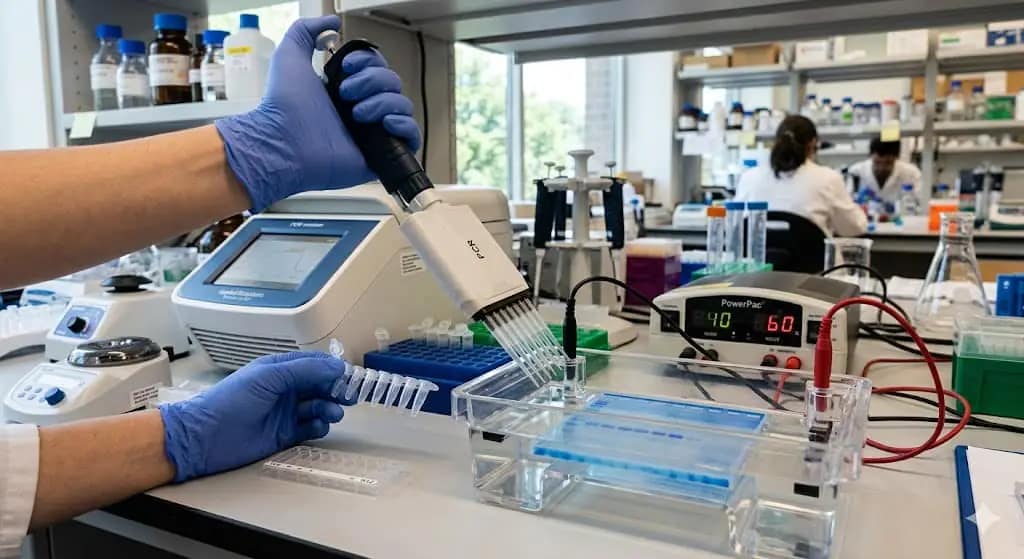
Biotechnology applications also make Human Genome and Gene Expression MCQs highly valuable. Concepts such as recombinant DNA technology, PCR, gel electrophoresis, DNA fingerprinting, and cloning are closely associated with gene expression studies. Aspirants regularly use Human Genome and Gene Expression MCQs to revise how molecular tools are applied in forensic science, medicine, disease diagnosis, and genetic engineering. These application-based concepts are frequently asked in examinations, making Human Genome and Gene Expression MCQs an important resource for preparation.
Another reason why aspirants prefer Human Genome and Gene Expression MCQs is because they help in quick revision before examinations. Objective-based practice improves memory retention and allows aspirants to identify weak concepts efficiently. Since genetics chapters contain several technical terms and biological processes, continuous revision through Human Genome and Gene Expression MCQs improves accuracy in answering difficult questions. Many aspirants also use Human Genome and Gene Expression MCQs for self-assessment and time management practice.
Modern biology relies heavily on genome research and gene expression analysis. Scientists use gene expression studies to understand diseases, develop medicines, and improve biotechnology applications. Aspirants who practice using Human Genome and Gene Expression MCQs gain not only examination knowledge but also a deeper understanding of modern scientific advancements. This makes Human Genome and Gene Expression MCQs highly useful for future studies in genetics, medicine, microbiology, and biomedical sciences.
Human Genome and Gene Expression MCQs:
- How are the fragments of DNA formed after treatment with endonucleases separated?
A. Polymerase chain reaction
B. Southern blotting
C. Electrophoresis
D. Colony hybridization
Answer: C. Electrophoresis
Explanation:
DNA fragments formed after treatment with endonucleases are separated by electrophoresis according to their size.
- What is gel electrophoresis used for?
A. Construction of recombinant DNA by joining cloning vectors
B. Isolation of DNA molecule
C. Cutting DNA into fragments
D. Separation of DNA fragments according to size
Answer: D. Separation of DNA fragments according to size
Explanation:
Gel electrophoresis separates DNA fragments based on their molecular size.
- What are probes used in DNA fingerprinting initially made from?
A. Single stranded RNA
B. Mini-satellite DNA
C. 19 base long oligonucleotide
D. All of the above
Answer: B. Mini-satellite DNA
Explanation:
DNA probes in fingerprinting are initially prepared from mini-satellite DNA sequences.
- Which of the following are key tools in r-DNA technology?
- Molecular scissors
- PBR 322
- Gene gun
- Bioreactor
A. I, III
B. I, IV
C. I, II
D. II, III
Answer: C. I, II
Explanation:
Restriction enzymes (molecular scissors) and plasmid vector pBR322 are key tools in recombinant DNA technology.
- Which of the following is not required for techniques of DNA fingerprinting available at present?
A. DNA-DNA hybridization
B. Polymerase chain reaction
C. Zinc finger analysis
D. Restriction enzymes
Answer: C. Zinc finger analysis
Explanation:
Zinc finger analysis is not used in DNA fingerprinting techniques.
- According to the Human Genome Project (HGP), how many genes are present on the Y chromosome?
A. 242 genes
B. 2898 genes
C. 2968 genes
D. 231 genes
Answer: D. 231 genes
Explanation:
The Human Genome Project estimated around 231 genes on the Y chromosome.
- Why are plasmids suitable vectors for gene cloning?
A. They integrate with host chromosomal DNA
B. They possess their own origin of replication
C. They shuttle between prokaryotic and eukaryotic cells
D. They carry antibiotic resistance genes
Answer: B. They possess their own origin of replication
Explanation:
Plasmids replicate independently due to the presence of their own origin of replication.
- What is the relationship of Sigma factor in gene expression?
A. Related to RNA polymerase
B. Related to DNA polymerase
C. Both A and B
D. None of these
Answer: A. Related to RNA polymerase
Explanation:
Sigma factor helps RNA polymerase recognize promoter sequences during transcription initiation.
- Which enzyme is used to remove introns?
A. Ligase
B. Ribozyme
C. RNA protease
D. Carbinozyme
Answer: B. Ribozyme
Explanation:
Ribozymes catalyze RNA splicing and help remove introns.
- How many pairs of genes control skin color in humans?
A. Single gene
B. 3 pairs of genes
C. 2 pairs of genes
D. 2 pairs with intragene
Answer: B. 3 pairs of genes
Explanation:
Human skin color is controlled polygenically by three pairs of genes.
- Which is the largest gene in humans?
A. Insulin gene
B. Tumor suppressor gene
C. Beta globin gene
D. Dystrophin
Answer: D. Dystrophin
Explanation:
The dystrophin gene is the largest known human gene.
- What does terminator gene technology cause in plants?
A. Failure of seed setting after one generation
B. Breakage of seed dormancy
C. Early flowering
D. None of the above
Answer: A. Failure of seed setting after one generation
Explanation:
Terminator technology prevents seeds from germinating in the next generation.
- Match the gene components with their functions:
A. Operon
B. Operator
C. Promoter
D. Repressor
A. Binding to polynucleotide phosphorylase
B. Binding of RNA polymerase
C. Binding of repressor proteins
D. Inactivated by inducer
Correct Match:
Operon → Polycistronic structural gene regulation
Operator → Binding of repressor protein
Promoter → Binding of RNA polymerase
Repressor → Inactivated by inducer
Answer: D
Explanation:
The operon model explains transcription regulation in prokaryotes.
- Which of the following matches the correct phenotype and genotype of Drosophila for their wing sizes?
| Phenotype | Genotype |
|---|---|
| (i) Normal wings | A. Vg |
| (ii) Nicked wings | B. Vgⁿⁱ |
| (iii) Notched wings | C. Vg⁺ |
| (iv) Strap wings | D. Vgˢᵗ |
| (v) Vestigial wings | E. Vgⁿᵒ |
Options:
A. (i)-E, (ii)-D, (iii)-C, (iv)-B, (v)-A
B. (i)-A, (ii)-B, (iii)-C, (iv)-D, (v)-E
C. (i)-D, (ii)-A, (iii)-B, (iv)-E, (v)-C
D. (i)-C, (ii)-B, (iii)-E, (iv)-D, (v)-A
Answer: D. (i)-C, (ii)-B, (iii)-E, (iv)-D, (v)-A
Explanation:
The correct matching is:
- Normal wings → Vg⁺
- Nicked wings → Vgⁿⁱ
- Notched wings → Vgⁿᵒ
- Strap wings → Vgˢᵗ
- Vestigial wings → Vg
These are common wing mutations studied in Drosophila genetics.
- Who discovered the operon model consisting of structural genes, promoter, operator, and regulatory genes?
A. Beadle and Tatum
B. Watson and Crick
C. Jacob and Monod
D. Britten and Davidson
Answer: C. Jacob and Monod
Explanation:
Jacob and Monod proposed the operon model in 1961.
- During polynucleotide synthesis, elongation occurs in which direction?
A. DNA polymerase only
B. RNA polymerase only
C. Reverse transcriptase only
D. All of the above
Answer: D. All of the above
Explanation:
All these enzymes synthesize nucleic acids in the 5′→3′ direction.
- What is the function of a restriction enzyme?
A. Cleavage of protein
B. Cleavage of DNA
C. Cleavage of fat
D. Cleavage of starch
Answer: B. Cleavage of DNA
Explanation:
Restriction enzymes cut DNA at specific recognition sites.
- What is the central dogma in molecular biology?
A. RNA → DNA → Protein
B. DNA → RNA → Protein
C. RNA → Protein → DNA
D. DNA → Protein → RNA
Answer: B. DNA → RNA → Protein
Explanation:
The central dogma explains the flow of genetic information.
- Restriction endonuclease Hind II recognizes a sequence of how many base pairs?
A. Six base pairs
B. Five base pairs
C. Four base pairs
D. Seven base pairs
Answer: A. Six base pairs
Explanation:
Hind II recognizes a specific six-base-pair sequence.
- Genes involved in turning on or off transcription are called:
A. Polymorphic genes
B. Operator genes
C. Redundant genes
D. Regulatory genes
Answer: D. Regulatory genes
Explanation:
Regulatory genes control transcription of structural genes.
- RNA interference in tobacco plants resistant to Meloidogyne incognita prevents:
A. Translation of mRNA
B. Transcription
C. DNA replication
D. hnRNA splicing
Answer: A. Translation of mRNA
Explanation:
RNA interference silences mRNA and prevents translation.
- Differentiation of organs and tissues is associated with:
A. Deletion of genes
B. Developmental mutations
C. Differential expression of genes
D. Lethal mutations
Answer: C. Differential expression of genes
Explanation:
Different tissues express different sets of genes.
- A sequential expression of human genes occurs when steroid molecules bind to:
A. Ribosome
B. Transfer RNA
C. Messenger RNA
D. DNA sequence
Answer: D. DNA sequence
Explanation:
Steroid-receptor complexes bind DNA and regulate gene expression.
- The Lac Operon model was elucidated by:
A. Jacob and Crick
B. Watson and Crick
C. Francois Jacob and Jacques Monod
D. Hershey and Chase
Answer: C. Francois Jacob and Jacques Monod
Explanation:
Jacob and Monod explained transcription regulation through the lac operon.
- Lac operon concept was introduced by:
A. Mendel & Butler
B. Monod & Jacob
C. Jacob & Monod
D. Jacob & Sutton
Answer: B. Monod & Jacob
Explanation:
The lac operon concept was introduced by Monod and Jacob.
- In operon concept, regulator gene functions as:
A. Repressor
B. Regulator
C. Inhibitor
D. Initiator
Answer: A. Repressor
Explanation:
The regulator gene produces repressor proteins.
- Operon unit consists of:
A. Regulator, operator and repressive gene
B. Regulator, structural and operator gene
C. Regulator, structural, operator and promoter gene
D. Regulator, structural and promoter gene
Answer: C. Regulator, structural, operator and promoter gene
Explanation:
An operon contains promoter, operator, structural, and regulator genes.
- A mammalian cell has diameter 27 microns. How many amino acids are required for an alpha-helical polypeptide to stretch across it?
A. 18000
B. 1800
C. 27000
D. 12000
Answer: A. 18000
Explanation:
Using alpha-helix dimensions, approximately 18,000 amino acids are needed.
- Which substance represses the lac operon?
A. Arabinose
B. Glucose
C. Lactose
D. Tryptophan
Answer: B. Glucose
Explanation:
Presence of glucose suppresses lac operon activity.
- In negative operon:
A. Co-repressor binds with repressor
B. Co-repressor does not bind with repressor
C. Co-repressor binds with inducer
D. cAMP negatively affects lac operon
Answer: A. Co-repressor binds with repressor
Explanation:
In negative operons, co-repressors activate repressors to inhibit transcription.
Conclusion on Human Genome and Gene Expression MCQs
In conclusion, Human Genome and Gene Expression MCQs is one of the most effective resources for biology aspirants preparing for competitive examinations and board tests. It helps aspirants strengthen concepts related to the Human Genome Project, transcription, translation, gene regulation, and biotechnology applications. Regular revision using Human Genome and Gene Expression MCQs improves conceptual clarity, objective-solving speed, and examination confidence. For aspirants aiming to master molecular biology and genetics, Human Genome and Gene Expression MCQs remains an essential study and revision tool.
Related reading
Powerful Allolactose and Repressor Molecular Biology MCQs with Answers for NEET JEE & CUET
Master lac operon concepts with Allolactose and Repressor Molecular Biology MCQs for NEET , JEE and Class 12 aspirants. Learn gene regulation easily and quickly
Ultimate PCR and Gel Electrophoresis MCQs PDF - Powerful Questions for Class 12 Biology
Master DNA amplification, PCR steps, agarose gel electrophoresis, Taq polymerase, biotechnology concepts easily with PCR ,Gel Electrophoresis MCQs PDF resources