Understanding Gastrulation and Embryonic Development MCQs Class 12 Biology is essential for students preparing for board exams and competitive exams like NEET. This topic forms a crucial part of developmental biology, explaining how a single-celled zygote transforms into a complex organism. When studying Gastrulation and Embryonic Development MCQs Class 12 Biology, students must focus on conceptual clarity rather than rote memorization.
The journey begins with fertilization, where a sperm fuses with an ovum to form a zygote. This zygote undergoes rapid mitotic divisions known as cleavage. While learning Gastrulation and Embryonic Development MCQs Class 12 Biology, it is important to note that cleavage increases the number of cells without increasing the overall size of the embryo. This leads to the formation of a multicellular structure called the morula.
As development progresses, the morula transforms into a blastocyst, which contains a fluid-filled cavity called the blastocoel. Students solving Gastrulation and Embryonic Development MCQs Class 12 Biology should understand that the blastocyst consists of an outer trophoblast and an inner cell mass. The trophoblast later contributes to placenta formation, while the inner cell mass forms the embryo.
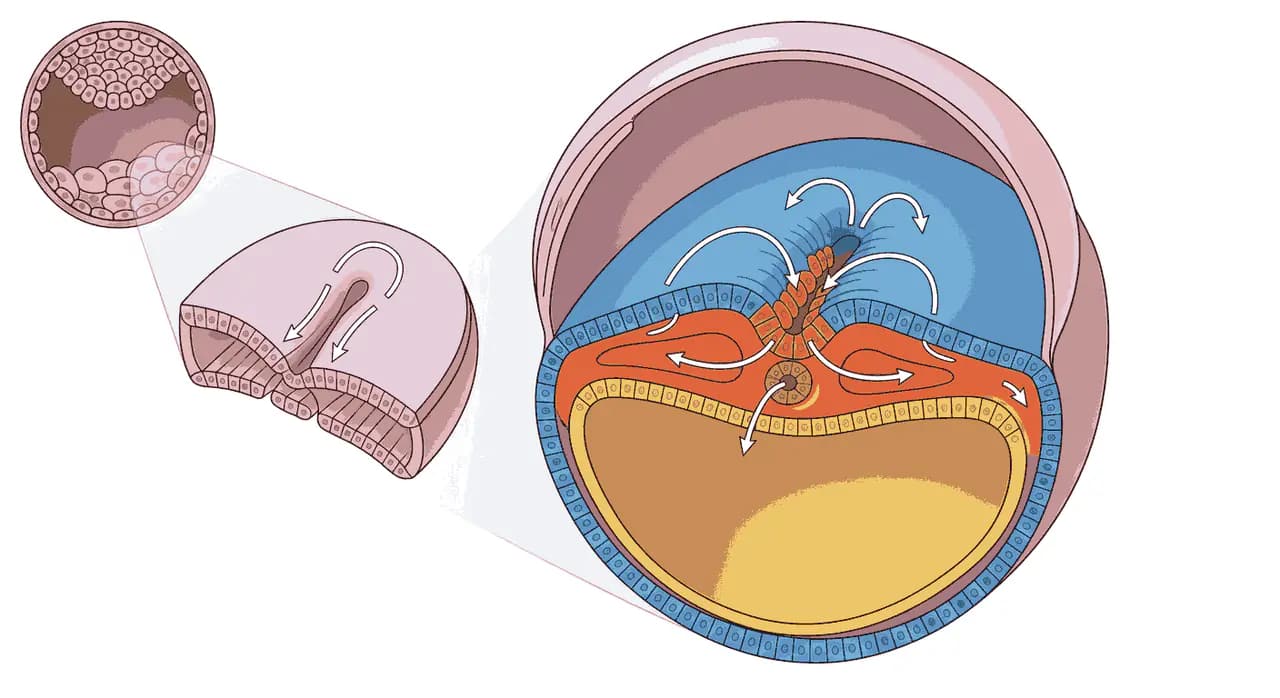
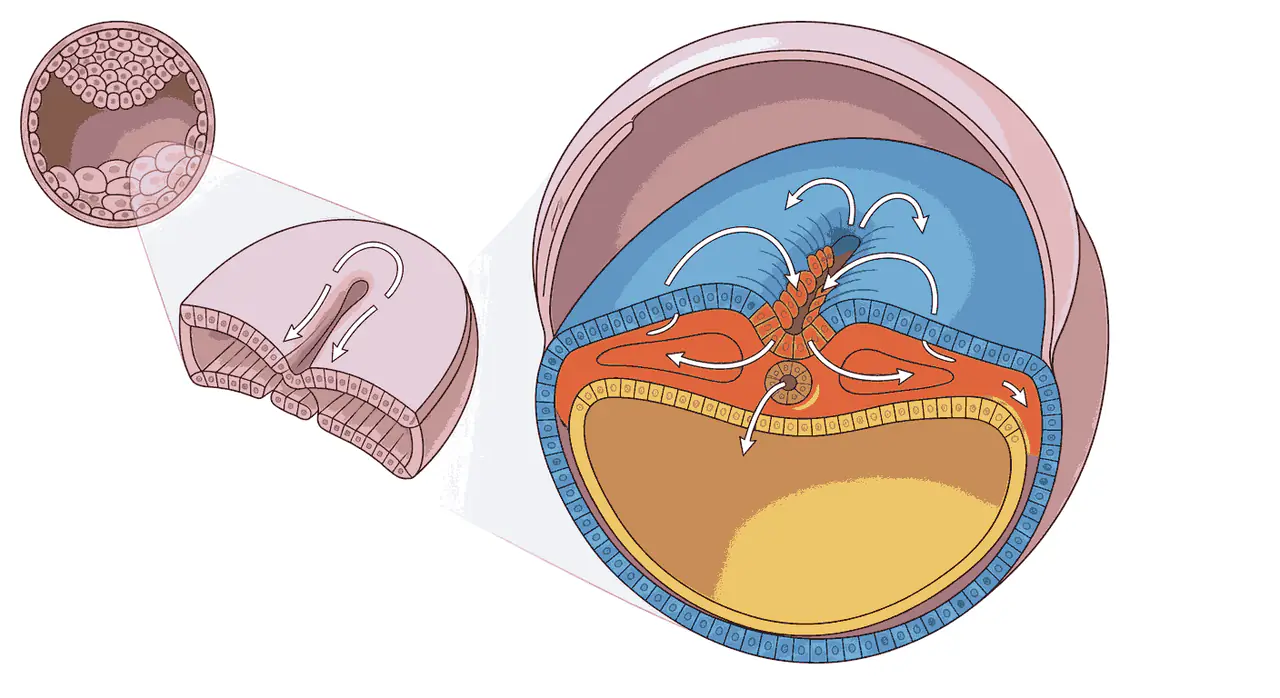
The most critical phase covered in Gastrulation and Embryonic Development MCQs Class 12 Biology is gastrulation. During gastrulation, the blastula reorganizes into a three-layered structure known as the gastrula. These three germ layers—ectoderm, mesoderm, and endoderm—give rise to all tissues and organs of the body. Mastering this concept is key to scoring well in Gastrulation and Embryonic Development MCQs Class 12 Biology.
The ectoderm forms structures like the nervous system and skin, while the mesoderm gives rise to muscles, bones, and the circulatory system. The endoderm develops into internal organs such as the digestive tract and lungs. Questions in Gastrulation and Embryonic Development MCQs Class 12 Biology often test the origin of specific organs from these germ layers, making it important to remember these associations clearly.
Another important concept in Gastrulation and Embryonic Development MCQs Class 12 Biology is the formation of the archenteron and blastopore during gastrulation. The archenteron becomes the primitive gut, while the blastopore is the opening that connects it to the exterior. These structures are fundamental in understanding embryonic organization.
Following gastrulation, the embryo undergoes organogenesis, where organs begin to form from the germ layers. While practicing Gastrulation and Embryonic Development MCQs Class 12 Biology, aspirants should note that this stage marks the beginning of functional specialization in the embryo. Organogenesis continues until the embryo develops into a fetus.
Implantation is another key event discussed in Gastrulation and Embryonic Development MCQs Class 12 Biology. The blastocyst attaches itself to the uterine wall, and the trophoblast cells invade the endometrium to establish a connection with maternal blood supply. This process ensures nourishment and oxygen supply to the developing embryo.
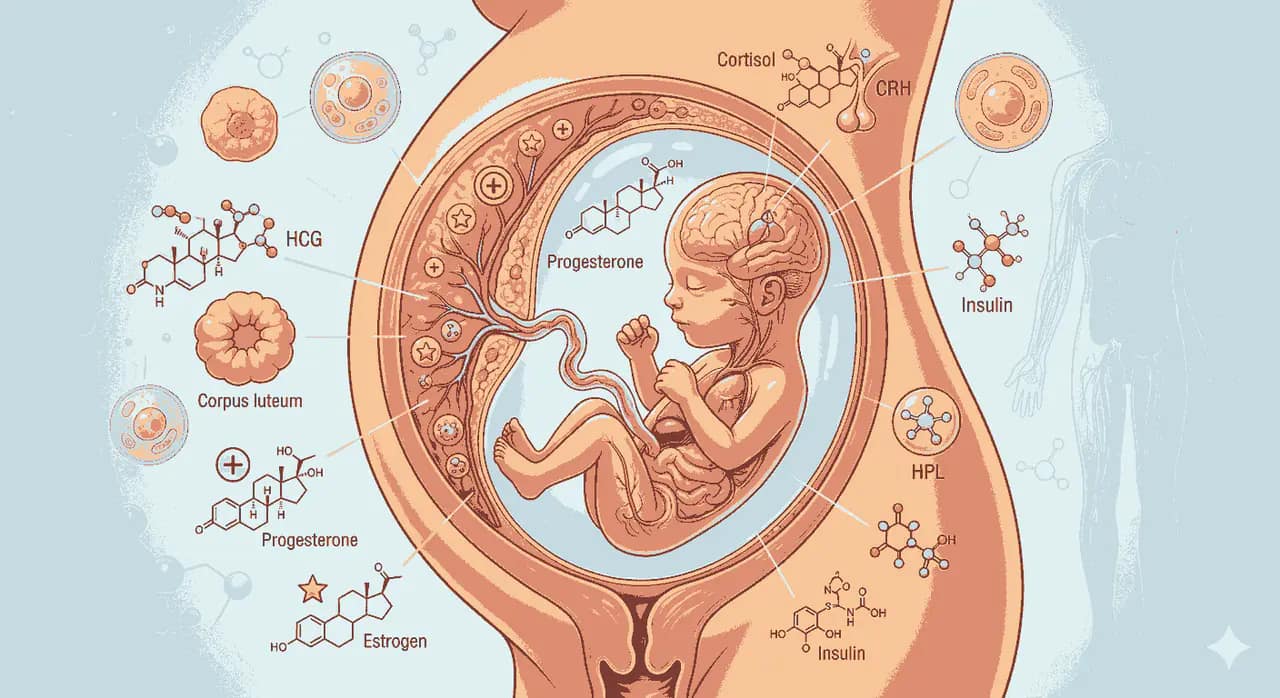
The placenta plays a vital role in embryonic development, and understanding its function is essential for solving Gastrulation and Embryonic Development MCQs Class 12 Biology. It acts as an endocrine gland, secreting hormones such as hCG, progesterone, and estrogen. These hormones help maintain pregnancy and support fetal growth.
Another important aspect of Gastrulation and Embryonic Development MCQs Class 12 Biology is the timeline of embryonic development. By the end of the first month, the embryo develops a heartbeat. By the second month, limbs and digits begin to form. Keeping track of these developmental milestones is crucial for answering time-based questions.
Aspirants should also understand the significance of extraembryonic membranes while preparing Gastrulation and Embryonic Development MCQs Class 12 Biology. Structures like the amnion, chorion, allantois, and yolk sac provide protection, nutrition, and waste removal for the developing embryo.
A common mistake while studying Gastrulation and Embryonic Development MCQs Class 12 Biology is confusing cleavage, gastrulation, and organogenesis. Cleavage increases cell number, gastrulation forms germ layers, and organogenesis leads to organ formation. Keeping these stages distinct will help avoid errors in exams.
Concept-based learning is the best approach for mastering Gastrulation and Embryonic Development MCQs Class 12 Biology. Instead of memorizing definitions, aspirants should visualize each stage of development and understand the processes involved. Diagrams and flowcharts can be particularly helpful in reinforcing these concepts.
Regular practice of Gastrulation and Embryonic Development MCQs Class 12 Biology improves accuracy and speed. These questions are designed to test both theoretical understanding and application skills. By solving a variety of problems, aspirants can identify weak areas and strengthen their preparation.
Gastrulation and Embryonic Development MCQs Class 12 Biology:
1. From which germ layer is the lens of the eye derived?
A. Ectoderm
B. Mesoderm
C. Endoderm
D. Both (b) and (c)
Answer: A
Explanation: Lens develops from surface ectoderm.
2. Which structure secretes the hormone that maintains uterus during pregnancy?
A. Corpora cardiaca
B. Corpus luteum
C. Corpora albicans
D. Graafian follicle
Answer: B
Explanation: Corpus luteum secretes progesterone.
3. Which extraembryonic membrane prevents desiccation?
A. Yolk sac
B. Amnion
C. Chorion
D. Allantois
Answer: B
Explanation: Amnion protects embryo with fluid.
4. Which layer forms skeleton and dermis?
A. Ectoderm
B. Endoderm
C. Mesoderm
D. All layers
Answer: C
Explanation: Mesoderm forms bones and muscles.
5. What events are observed by the end of the second month of pregnancy?
A. Separation of eye lids
B. Appearance of hair on head
C. Development of limbs and digits
D. Formation of eye lashes
Answer: C
Explanation: By the end of the second month, major organs begin forming and limbs with digits develop. Eyelid separation and hair appear later (5th–6th month).
6. Which types of placenta are found in humans?
A. 2, 4, 5, 7
B. 1, 3, 4, 7
C. 2, 3, 4, 6
D. 1, 2, 3, 4
Answer: A
Explanation: Humans have chorioallantoic, discoidal, haemochorial, and deciduate placenta.
7. Best definition of gastrulation?
A. Single layer becomes two layers
B. Archenteron formation
C. Zygote becomes larva
D. Cells move to definite positions
Answer: D
Explanation: Gastrulation mainly involves cell movement and rearrangement forming germ layers.
8. Medulla oblongata originates from:
A. Ectoderm
B. Mesoderm
C. Endoderm
D. Ectomesoderm
Answer: A
Explanation: Brain structures develop from ectoderm (neural tube).
9. Correct statement about placenta:
A. Permeable to all bacteria
B. Gases cannot diffuse
C. Waste diffuses to maternal blood
D. Does not secrete hCG
Answer: C
Explanation: Placenta allows exchange of wastes, gases, and nutrients, but blocks many pathogens.
10. Correct statement regarding cleavage:
A. Morula is hollow
B. Cleavage is unequal horizontal
C. Blastocoel forms after rearrangement
D. Mass increases
Answer: C
Explanation: Blastocoel forms by rearrangement of blastomeres (blastulation).
11. Structure formed in gastrulation:
A. Archenteron
B. Heart
C. Brain
D. None
Answer: A
Explanation: Gastrulation forms archenteron (primitive gut).
12. Hormones produced only during pregnancy:
A. Estrogen, hCG, hPL
B. Estrogen, progesterone, oxytocin
C. hPL, hCG, relaxin
D. hPL, hCG, thyroxine
Answer: C
Explanation: These are pregnancy-specific placental hormones.
13. Frog development sequence:
A. Zygote → Cleavage → Blastula → Gastrula
B. Zygote → Gastrula → Blastula
C. Cleavage → Zygote → Blastula
D. Zygote → Blastula → Cleavage
Answer: A
Explanation: Standard embryonic sequence.
14. What occurs in gastrulation?
A. Division of zygote
B. Formation of blastocoel
C. Epiboly and emboly
D. Disappearance of archenteron
Answer: C
Explanation: Gastrulation involves cell movement like epiboly and emboly.
15. Identify stage and location:
A. Morula – middle tube
B. Blastula – tube end
C. Blastocyst – uterus
D. Morula – start tube
Answer: C
Explanation: Blastocyst implants in uterine wall.
16. Second polar body extrusion occurs:
A. During cleavage
B. After sperm entry before fertilization
C. After fertilization
D. Before sperm entry
Answer: B
Explanation: Triggered by sperm entry, completing meiosis II.
17. Principles of embryology by:
A. Weismann
B. Haeckel
C. Von Baer
D. Malthus
Answer: C
Explanation: Von Baer gave basic embryological principles.
18. Blastopore is:
A. Neural tube opening
B. Opening of archenteron
C. Anterior end
D. Found in blastula
Answer: B
Explanation: Blastopore is gastrula opening.
19. During cleavage:
A. Ratio unchanged
B. Size does not increase
C. Oxygen use less
D. Meiosis occurs
Answer: B
Explanation: Cleavage increases cell number, not size.
20. Embryo becomes foetus after:
A. 2 months
B. 6 months
C. 4 months
D. 7 months
Answer: A
Explanation: After 8 weeks → foetus stage begins.
21. Epicardium layer is:
A. Endothelium
B. Mesothelium
C. Ependyma
D. Epidermis
Answer: B
Explanation: Derived from mesoderm.
22. Cranial soft gaps are:
A. Areolas
B. Foramina
C. Sutures
D. Fontanelle
Answer: D
Explanation: Fontanelles allow skull flexibility.
23. Internal cavity before gastrulation:
A. Enteron
B. Blastopore
C. Blastocoel
D. Coelom
Answer: C
Explanation: Blastocoel forms in blastula.
24. Opening of archenteron:
A. Coelom
B. Coelenteron
C. Blastopore
D. Blastocoel
Answer: C
Explanation: Blastopore connects archenteron to exterior.
25. Foetal membrane connected with blood:
A. Allantois
B. Amnion
C. Chorion
D. Yolk sac
Answer: C
Explanation: Chorion forms placenta and exchanges blood.
26. Placenta produces:
A. hCG
B. Estrogen
C. Progesterone
D. Testosterone
Answer: A
Explanation: hCG maintains corpus luteum.
27. Placenta comprises:
A. Maternal endothelium
B. Foetal endothelium
C. Foetal epithelium
D. Foetal connective tissue
Answer: D
Explanation: Placenta has fetal connective tissue in villi.
28. Recapitulation theory by:
A. Ernst Haeckel
B. Von Baer
C. Weismann
D. Mendel
Answer: A
Explanation: Haeckel proposed biogenetic law.
29. Embryonic skeleton formed by:
A. Fibrous cartilage
B. Elastic cartilage
C. Hyaline cartilage
D. None
Answer: C
Explanation: Hyaline cartilage forms early skeleton.
30. 16-cell stage embryo is:
A. Morula
B. Gastrula
C. Blastula
D. Blastomere
Answer: A
Explanation: Morula = solid ball of ~16 cells.
Conclusion on Gastrulation and Embryonic Development MCQs Class 12 Biology
In conclusion, Gastrulation and Embryonic Development MCQs Class 12 Biology is a high-weightage topic that requires a strong conceptual foundation. By understanding each stage of development—from fertilization to organogenesis—aspirants can confidently tackle exam questions. Consistent revision and practice will ensure success in mastering Gastrulation and Embryonic Development MCQs Class 12 Biology.
Related reading
Master Your Exams: Foetal Development and Hormones MCQs Class 12 Biology for NEET,JEE & CUET Aspirants
Master Foetal Development and Hormones MCQs Class 12 Biology to understand pregnancy stages, hormones- hCG, estrogen, progesterone boost exam prep for aspirants
Boost Your Score with Syphills Gonorrhea Bacterial STD MCQs Class 12 Biology for Competitive Exams
Master Syphills Gonorrhea Bacterial STD MCQs Class 12 Biology with clear concepts , symptoms, causes, treatments to boost exam preparation and improve accuracy.