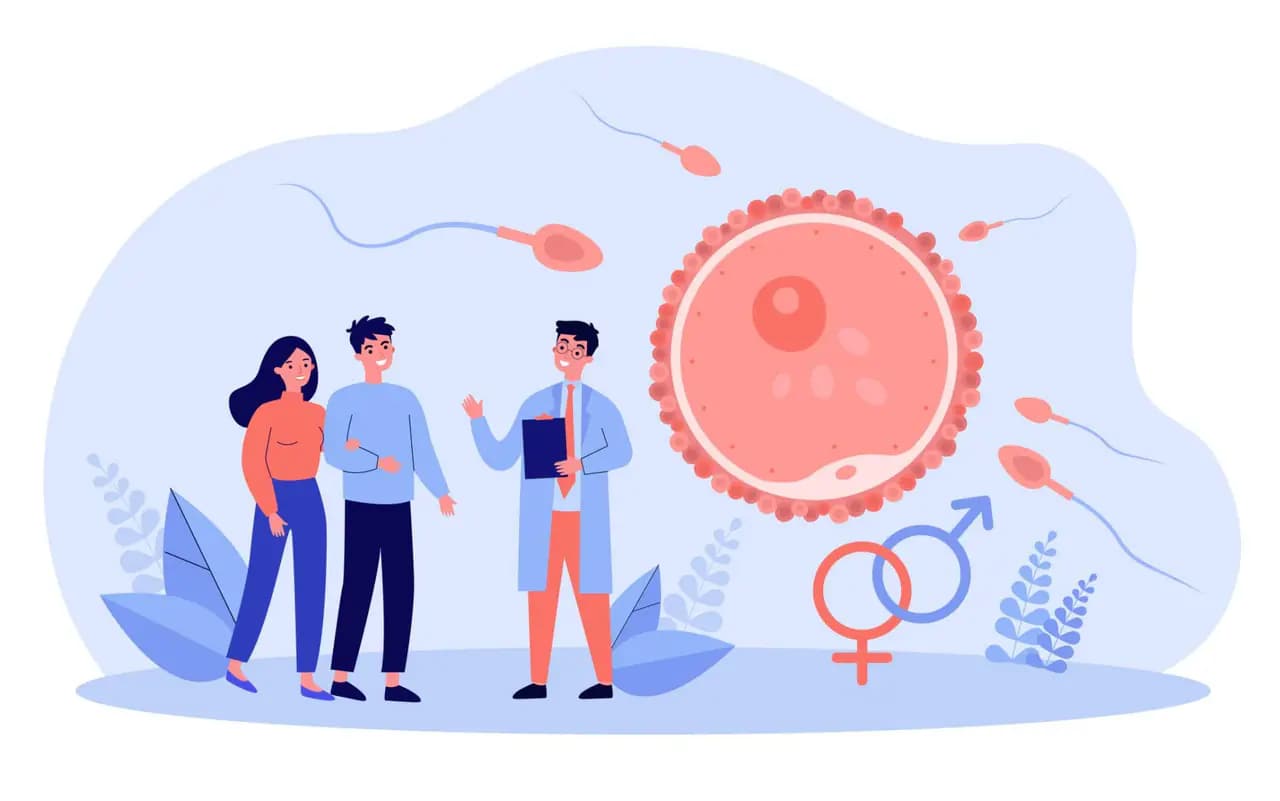
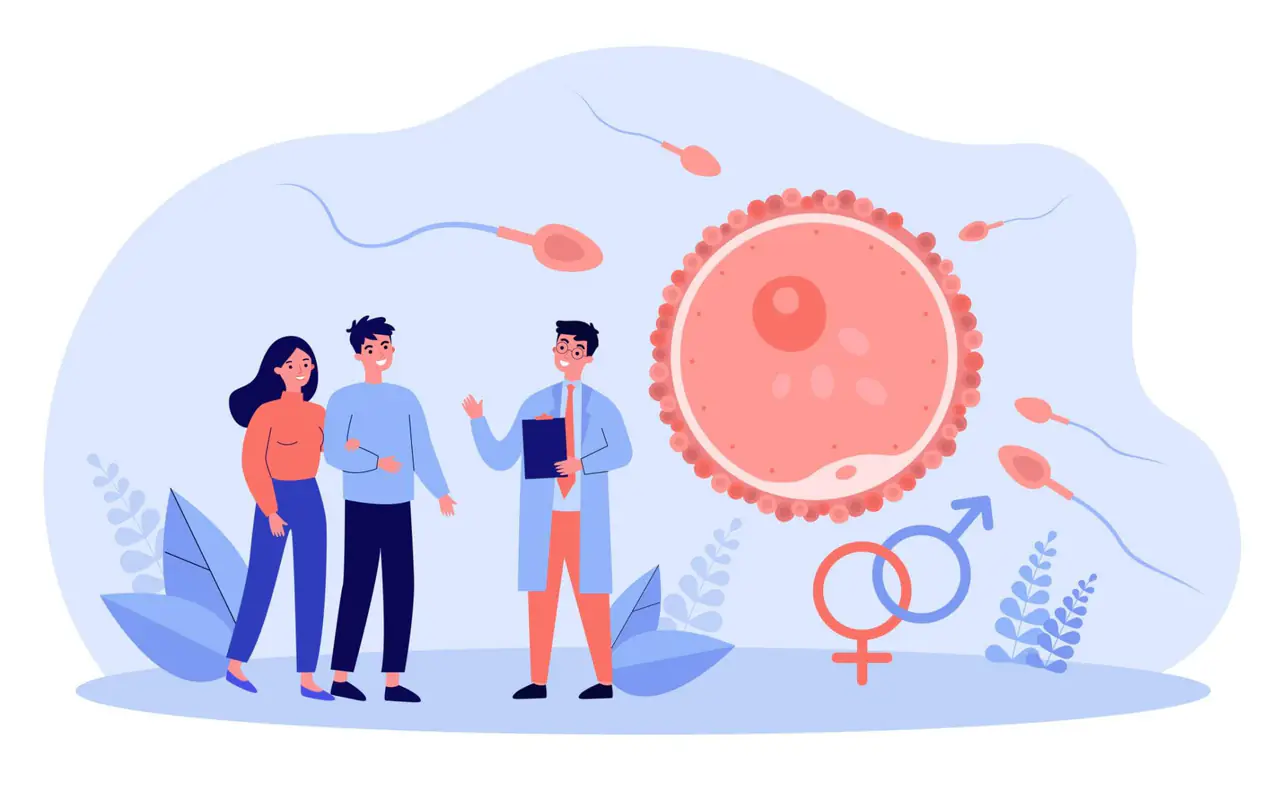
For aspirants preparing for board and competitive biology exams, understanding permanent methods of contraception is essential. One of the most important topics in this section is surgical contraception, especially vasectomy and tubectomy. When aspirants explore Vasectomy and Tubectomy MCQs for Class 12 Biology Exams, they gain a clear understanding of how these procedures function and why they are widely used for population control.
Vasectomy is a surgical procedure performed in males where the vas deferens is cut and sealed. This prevents the transport of sperm into the semen. Aspirants studying Vasectomy and Tubectomy MCQs for Class 12 Biology Exams quickly learn that this method does not affect hormone levels or sexual behavior but only blocks sperm transport.
On the other hand, tubectomy is the female counterpart of vasectomy. In this procedure, the fallopian tubes are cut and tied, preventing the ovum from meeting the sperm. Through Vasectomy and Tubectomy MCQs for Class 12 Biology Exams, aspirants understand that fertilization becomes impossible because the pathway between the ovary and uterus is blocked.
When aspirants revise Vasectomy and Tubectomy MCQs for Class 12 Biology Exams, they also learn that both methods are considered permanent contraceptive techniques. Unlike temporary methods such as pills or condoms, these procedures provide long-term prevention of pregnancy.
Another key concept that aspirants encounter while practicing Vasectomy and Tubectomy MCQs for Class 12 Biology Exams is that these surgeries are relatively simple and safe when performed under proper medical conditions. Vasectomy is generally less invasive compared to tubectomy, making it a quicker procedure with faster recovery.
Aspirants focusing on Vasectomy and Tubectomy MCQs for Class 12 Biology Exams should also note that these methods do not interfere with the production of gametes. In vasectomy, spermatogenesis continues, but sperm are reabsorbed by the body. Similarly, in tubectomy, ovulation continues, but the ovum cannot travel to meet sperm.
While studying Vasectomy and Tubectomy MCQs for Class 12 Biology Exams, aspirants often come across misconceptions regarding these procedures. It is important to understand that neither vasectomy nor tubectomy affects sexual drive or hormone secretion.
Another important point highlighted in Vasectomy and Tubectomy MCQs for Class 12 Biology Exams is their role in family planning programs. Governments promote these methods as effective solutions to control population growth and improve reproductive health.
Aspirants practicing Vasectomy and Tubectomy MCQs for Class 12 Biology Exams should also understand the differences between male and female sterilization. Vasectomy is simpler, less risky, and more economical compared to tubectomy, which involves abdominal surgery.
Through Vasectomy and Tubectomy MCQs for Class 12 Biology Exams, aspirants also learn that these methods do not protect against sexually transmitted diseases. This is a crucial distinction when compared to barrier methods like condoms.
In addition, Vasectomy and Tubectomy MCQs for Class 12 Biology Exams help aspirants connect theoretical concepts with real-world applications. Understanding how these procedures are used in healthcare systems enhances conceptual clarity.
Aspirants revising Vasectomy and Tubectomy MCQs for Class 12 Biology Exams should also remember that these methods are recommended for individuals who do not wish to have more children. They are not suitable for temporary contraception needs.
Another concept covered in Vasectomy and Tubectomy MCQs for Class 12 Biology Exams is reversibility. Although reversal surgeries exist, they are complex and not always successful, which is why these methods are considered permanent.
Aspirants preparing through Vasectomy and Tubectomy MCQs for Class 12 Biology Exams often encounter application-based questions that test their understanding of reproductive anatomy and physiology.
Moreover, Vasectomy and Tubectomy MCQs for Class 12 Biology Exams emphasize the importance of informed decision-making in reproductive health. Individuals must understand the implications before opting for these procedures.
Aspirants should consistently practice Vasectomy and Tubectomy MCQs for Class 12 Biology Exams to improve their accuracy and confidence in exams. These questions are frequently asked in board exams and competitive tests like NEET.
Another benefit of studying Vasectomy and Tubectomy MCQs for Class 12 Biology Exams is the integration of multiple biology topics such as human reproduction, anatomy, and health education.
By revisiting Vasectomy and Tubectomy MCQs for Class 12 Biology Exams, aspirants strengthen their understanding of contraception methods and their significance in society.
Aspirants who regularly revise Vasectomy and Tubectomy MCQs for Class 12 Biology Exams develop better problem-solving skills and are more prepared for exam-based scenarios.
Vasectomy and Tubectomy MCQs for Class 12 Biology Exams:
1.
Which of the following statements is true regarding the use of condom and contraceptives?
A. Use of condom is the only method to prevent pregnancy
B. Certain contraceptives are implanted under the skin of the upper arm
C. Condoms are not effective in preventing AIDS
D. Cu-T prevents ovulation
Answer: B
Explanation: Implants release hormones slowly and prevent pregnancy effectively.
2.
Oral contraceptive pills help in birth control by
A. Killing sperms
B. Killing ova
C. Preventing ovulation
D. Forming barrier
Answer: C
Explanation: Pills inhibit ovulation and alter cervical mucus.
3.
Permanent contraception in males is called
A. Tubectomy
B. Disphragen
C. Vasectomy
D. None
Answer: C
Explanation: Vasectomy blocks vas deferens.
4.
Side effect of anabolic steroids in females
A. Cirrhosis
B. Memory loss
C. Masculinisation
D. Hallucination
Answer: C
Explanation: Steroids can cause development of male characteristics in females.
5.
Hormone-releasing IUD is
A. LNG-20
B. Lippes loop
C. Cu-T
D. Multiload 375
Answer: A
Explanation: LNG-20 releases progesterone, preventing implantation.
6.
Assertion (A): Use of condom is a safeguard against AIDS and sexual diseases besides checking pregnancy.
Reason (R): Certain contraceptives are implanted under the skin of the upper arm to prevent pregnancy.
Options:
A. Both A and R are true and R is the correct explanation of A
B. Both A and R are true but R is not the correct explanation of A
C. A is true but R is false
D. Both A and R are false
Answer: B
Explanation: Both statements are correct, but the reason does not explain the assertion. Condoms prevent STDs, while implants are a separate contraceptive method.
7.
Family planning program launched in
A. 1920
B. 1930
C. 1950
D. 1951
Answer: D
Explanation: India launched it in 1951.
8.
Cu-T prevents pregnancy by
A. Preventing fertilization
B. Preventing ovulation
C. Preventing implantation
D. None
Answer: A
Explanation: Copper ions reduce sperm motility and fertilization.
9.
Purpose of tubectomy
A. Prevent fertilization
B. Prevent coitus
C. Prevent egg formation
D. Prevent development
Answer: A
Explanation: Fallopian tubes are blocked to stop sperm reaching ovum.
10.
Main hormone in pills
A. LH
B. GH
C. Thyroxine
D. Progesterone
Answer: D
Explanation: Progesterone prevents ovulation.
11.
Match contraceptive methods
Answer: C
Explanation:
Pill → prevents ovulation
Condom → blocks sperm
Vasectomy → no sperm in semen
Cu-T → prevents implantation
12.
Match methods with actions
A. A-2, B-1, C-4, D-3
B. A-1, B-2, C-3, D-4
C. A-4, B-1, C-2, D-3
D. A-3, B-4, C-1, D-2
Answer: A
Explanation:
Diaphragm → increases phagocytosis
Pills → inhibit ovulation
IUD → block sperm
Amenorrhea → no ovulation
13.
Correct about IUDs
A. Decrease phagocytosis
B. Suppress sperm motility
C. Do not affect cervix
D. Suppress fertilization
Answer: B, D
Explanation: Copper IUDs suppress sperm function and fertilization.
14.
Not an IUD
A. Progestogens
B. Multiload 375
C. Lippes loop
D. Progestasert
Answer: A
Explanation: Progestogens are hormones, not devices.
15.
Oral pills help by
A. Killing sperm
B. Prevent implantation
C. Prevent ovulation
D. Both B & C
Answer: D
Explanation: Pills prevent ovulation and implantation.
16.
Saheli works because
A. Weekly dose
B. Synthetic hormone
C. Centchroman
D. Cancer prevention
Answer: C
Explanation: Saheli contains centchroman.
17.
Device making uterus unsuitable
A. Progestasert
B. Cu-T
C. Lippes loop
D. Multiload
Answer: A
Explanation: Hormonal IUD alters uterine lining.
18.
Physical barrier in females
A. Vault caps
B. Saheli
C. Implants
D. Skin patches
Answer: A
Explanation: Vault caps block sperm entry.
19.
Mechanical barrier
A. Cu-T
B. Diaphragm
C. Loop
D. Shield
Answer: B
Explanation: Diaphragm prevents sperm entry.
20.
Incorrect statement
A. Vasectomy stops spermatogenesis
B. Barrier prevents fertilization
C. IUD suppress sperm
D. Hormonal contraceptives prevent ovulation
Answer: A
Explanation: Vasectomy does NOT stop sperm production.
21.
Cu ions function
A. Prevent implantation
B. Increase phagocytosis
C. Suppress motility
D. Prevent ovulation
Answer: C
Explanation: Copper reduces sperm movement.
22.
Population control methods
A. Hormones
B. IUCD
C. Sterilization
D. All
Answer: D
Explanation: All methods help control population.
23.
Depo-provera is
A. Injectable
B. IUD
C. Implant
D. Oral
Answer: A
Explanation: It is a hormonal injection.
24.
Figure shows
A. Tubectomy
B. Vasectomy
C. Cancer
D. Disease
Answer: A
Explanation: Tubectomy blocks fallopian tubes.
25.
Not a contraceptive
A. Tubectomy
B. Condom
C. Oxytocin pills
D. Lippes loop
Answer: C
Explanation: Oxytocin has no contraceptive role.
26.
Match the following (Contraceptive Methods)
Column I
i. Hormonal pills
ii. Spermicides
iii. Condoms
iv. Sterilization
v. Coitus interruptus
Column II
p. Prevent ovulation
q. Kill sperms
r. Prevent sperm entry into vagina
s. Prevent sperm transport
t. Prevent ejaculation
Options:
A. (i–p), (ii–q), (iii–r), (iv–s), (v–t)
B. (i–q), (ii–p), (iii–s), (iv–r), (v–t)
C. (i–p), (ii–r), (iii–q), (iv–s), (v–t)
D. (i–p), (ii–q), (iii–s), (iv–r), (v–t)
Answer: A
Explanation:
- Hormonal pills → prevent ovulation
- Spermicides → kill sperms
- Condoms → prevent sperm entry
- Sterilization → prevent sperm transport
- Coitus interruptus → prevents ejaculation inside vagina
27.
Emergency contraceptive
A. Androgen combo
B. Testosterone combo
C. Relaxin combo
D. Progesterone-estrogen
Answer: D
Explanation: Used within 72 hours.
28.
Match the following (Types of Contraceptive Methods)
Column I
i. Surgical method
ii. Barrier method
iii. Natural method
iv. Chemical method
Column II
I. Tubectomy
II. Condom
III. Lactational amenorrhea
IV. Oral pills
Options:
A. (i–I), (ii–II), (iii–III), (iv–IV)
B. (i–II), (ii–I), (iii–IV), (iv–III)
C. (i–III), (ii–II), (iii–I), (iv–IV)
D. (i–IV), (ii–III), (iii–II), (iv–I)
Answer: A
Explanation:
- Surgical → Tubectomy
- Barrier → Condom
- Natural → Lactational amenorrhea
- Chemical → Oral pills
29.
IUDs in females
A. Spermicidal
B. Block entry
C. Implants
D. Increase phagocytosis
Answer: D
Explanation: IUDs enhance sperm destruction.
30.
Match contraceptive types
A. A=s, B=q, C=r, D=p
B. A=s, B=t, C=q, D=r
C. A=p, B=r, C=q, D=t
D. A=s, B=q, C=t, D=p
Answer: A
Explanation: Correct matching of methods and examples.
Conclusion on Vasectomy and Tubectomy MCQs for Class 12 Biology Exams
In conclusion, Vasectomy and Tubectomy MCQs for Class 12 Biology Exams provide a comprehensive understanding of permanent contraception methods. They help aspirants grasp key concepts, correct misconceptions, and apply knowledge effectively.
Finally, mastering Vasectomy and Tubectomy MCQs for Class 12 Biology Exams ensures that aspirants are well-prepared for exams and can confidently answer questions related to reproductive health and surgical contraception.
Related reading
Boost Your Score with Syphills Gonorrhea Bacterial STD MCQs Class 12 Biology for Competitive Exams
Master Syphills Gonorrhea Bacterial STD MCQs Class 12 Biology with clear concepts , symptoms, causes, treatments to boost exam preparation and improve accuracy.
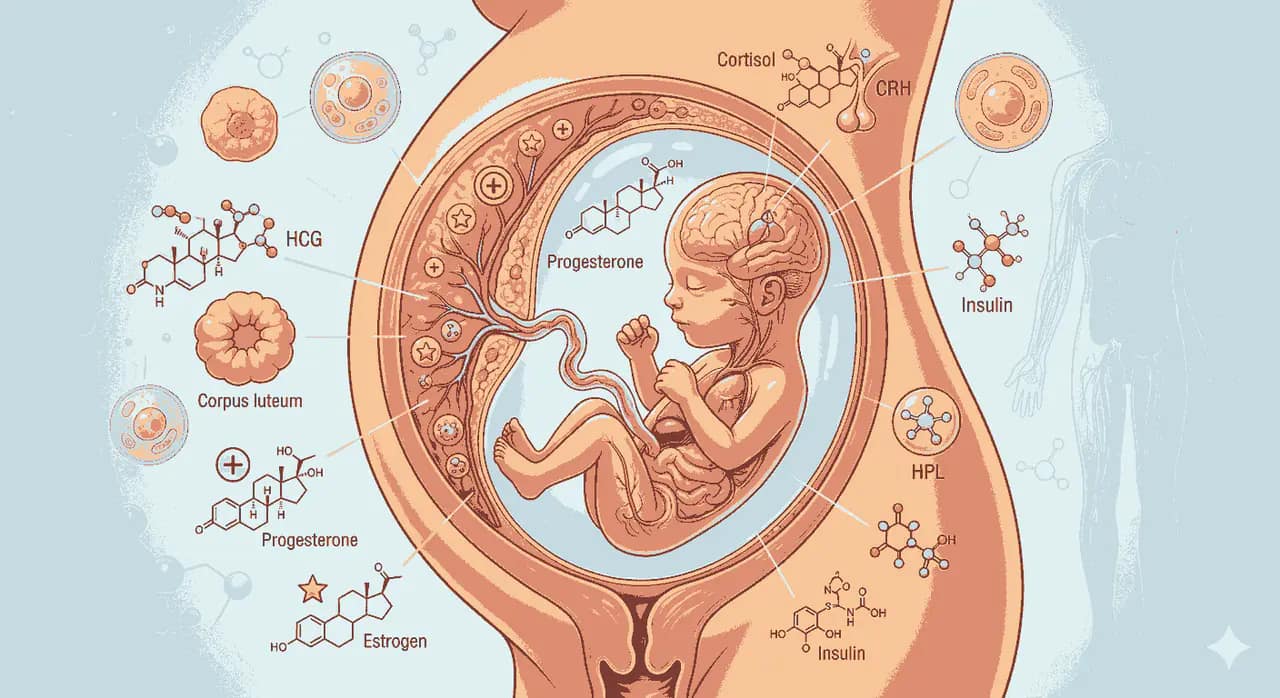
Master Your Exams: Foetal Development and Hormones MCQs Class 12 Biology for NEET,JEE & CUET Aspirants
Master Foetal Development and Hormones MCQs Class 12 Biology to understand pregnancy stages, hormones- hCG, estrogen, progesterone boost exam prep for aspirants