
- Keneitsino Lydia
- May 18, 2026
Ultimate Ribosome and tRNA MCQs PDF Class 12 – Powerful Questions with Answers for Exams
For biology aspirants preparing for board examinations and competitive entrance tests, Ribosome and tRNA MCQs PDF Class 12 is one of the most valuable study resources for mastering molecular biology concepts. Ribosomes and transfer RNA are central to the process of protein synthesis, making them highly important topics in Class 12 Biology. Many aspirants rely on Ribosome and tRNA MCQs PDF Class 12 to improve their understanding of translation, genetic coding, and amino acid transport mechanisms. Since objective questions from this chapter are frequently asked in examinations, practicing with Ribosome and tRNA MCQs PDF Class 12 helps aspirants strengthen conceptual clarity and improve confidence before tests.
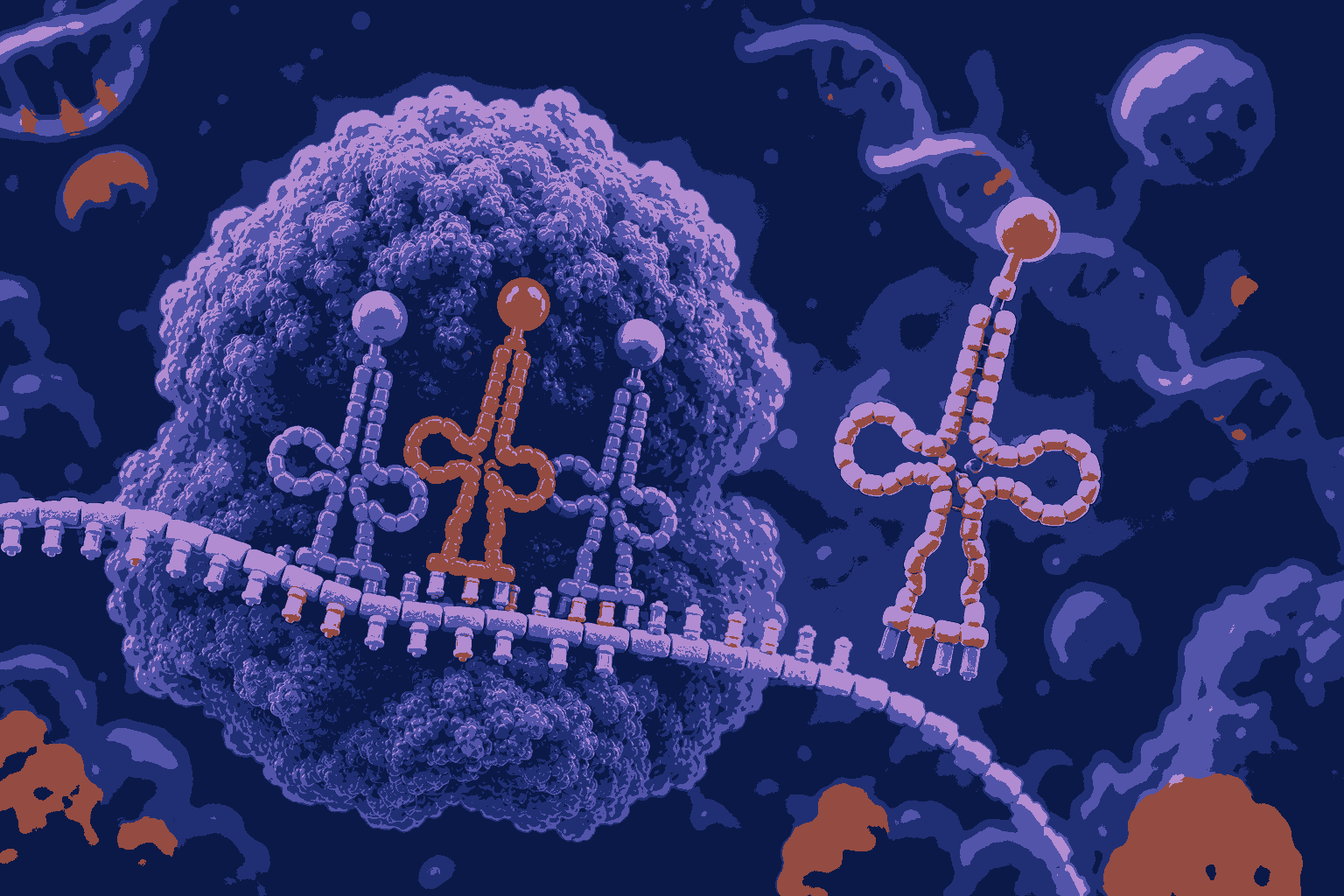
Ribosomes are known as the protein factories of the cell because they are responsible for synthesizing proteins by reading the codon sequence of messenger RNA. Aspirants studying through Ribosome and tRNA MCQs PDF Class 12 often learn how ribosomes are made up of ribosomal RNA and proteins organized into large and small subunits. These concepts become easier to understand when aspirants repeatedly revise them using Ribosome and tRNA MCQs PDF Class 12 resources. The distinction between free ribosomes and ribosomes attached to the endoplasmic reticulum is another important topic commonly covered in Ribosome and tRNA MCQs PDF Class 12 practice materials.
Transfer RNA plays an equally significant role during translation because it acts as the adaptor molecule that carries amino acids to the ribosome. Many aspirants use Ribosome and tRNA MCQs PDF Class 12 to understand the structure of tRNA, including the anticodon loop and amino acid acceptor arm. The relationship between codons on mRNA and anticodons on tRNA is a recurring concept in Ribosome and tRNA MCQs PDF Class 12 resources. Repeated practice allows aspirants to remember amino acid codons more effectively while improving their understanding of the genetic code.
One major advantage of using Ribosome and tRNA MCQs PDF Class 12 is that it helps aspirants prepare for both board-level descriptive questions and competitive objective examinations simultaneously. Topics such as initiation codons, stop codons, peptide bond formation, aminoacylation, and translation elongation are frequently revised through Ribosome and tRNA MCQs PDF Class 12 practice sessions. These resources also help aspirants improve speed and accuracy while solving biology questions under exam conditions.
Another reason why aspirants prefer Ribosome and tRNA MCQs PDF Class 12 is the convenience of structured revision. Since molecular biology can sometimes appear complex, regular practice with Ribosome and tRNA MCQs PDF Class 12 simplifies difficult ideas into manageable learning segments. Aspirants can quickly review important terms, biological processes, and translation mechanisms while also identifying weak areas that need improvement. The repeated exposure to objective questions through Ribosome and tRNA MCQs PDF Class 12 also strengthens memory retention and exam performance.
The importance of Ribosome and tRNA MCQs PDF Class 12 extends beyond Class 12 examinations because these concepts are foundational for advanced studies in genetics, biotechnology, microbiology, and medicine. Many competitive exams continue to ask questions based on ribosomes, anticodons, codons, and protein synthesis. Because of this, aspirants who consistently revise with Ribosome and tRNA MCQs PDF Class 12 often gain a stronger long-term understanding of molecular biology concepts.
Ribosome and tRNA MCQs PDF Class 12:
- Which one of the following codons codes for the same information as UGC?
A. UGU
B. UGA
C. UAG
D. UGG
Answer: A. UGU
Explanation:
UGU codes for the same amino acid as UGC. Both code for cysteine.
- Which one of the following pairs is correctly matched with regard to the codon and the amino acid coded by it?
A. UUA – valine
B. AAA – lysine
C. AUG – cysteine
D. CCC – alanine
Answer: B. AAA – lysine
Explanation:
The codon AAA codes for the amino acid lysine.
- Initiation codon in eukaryotes is
A. GAU
B. AGU
C. AUG
D. UAG
Answer: C. AUG
Explanation:
AUG is the initiation codon in eukaryotes and codes for methionine.
- The sequence of nitrogen bases in a portion of a coding segment of DNA was AAT GCT TAG GCA. What will be the sequence of nitrogen bases in the corresponding region of the transcripted mRNA?
A. AAT GCT TAG GCA
B. UUT CGT TUC CGU
C. TTA CGA ATC CGT
D. UUA CGA AUC CGU
Answer: D. UUA CGA AUC CGU
Explanation:
During transcription, adenine pairs with uracil instead of thymine.
- During protein synthesis AUG functions as the initiator codon in mRNA. What should be the anticodon on the tRNA molecule that picks up and brings the amino acid specified by this codon?
A. TAC
B. UAC
C. GUA
D. CAU
Answer: B. UAC
Explanation:
The anticodon complementary to AUG is UAC.
- Match the following:
| Column I | Column II |
|---|---|
| (a) AUG | (i) Tryptophan |
| (b) UAA | (ii) Phenylalanine |
| (c) UUU | (iii) Initiation codon |
| (d) UGG | (iv) Stop codon |
A. (a – iii), (b – iv), (c – i), (d – ii)
B. (a – iii), (b – iv), (c – ii), (d – i)
C. (a – iv), (b – iii), (c – i), (d – ii)
D. (a – i), (b – ii), (c – iii), (d – iv)
Answer: B. (a – iii), (b – iv), (c – ii), (d – i)
Explanation:
- AUG → Initiation codon
- UAA → Stop codon
- UUU → Phenylalanine
- UGG → Tryptophan
- Which option is correct for the amino acid and the total number of their genetic code?
A. Arg = 6, His = 6
B. Val = 6, Pro = 6
C. Pro = 4, Thr = 4
D. Thr = 4, Arg = 4
Answer: C. Pro = 4, Thr = 4
Explanation:
Proline and threonine each have four codons.
- What is the function of an anticodon in a transfer RNA (tRNA) molecule?
A. Carries amino acids towards ribosome during translation
B. Binds to the corresponding codon in mRNA
C. Initiates protein synthesis
D. Determines the start codon
Answer: B. Binds to the corresponding codon in mRNA
Explanation:
The anticodon pairs with the complementary codon on mRNA.
- Which type of RNA carries amino acids towards the ribosome during translation?
A. rRNA
B. dsRNA
C. tRNA
D. mRNA
Answer: C. tRNA
Explanation:
Transfer RNA carries amino acids to ribosomes during protein synthesis.
- What is the nucleotide sequence of the mRNA that codes for the amino acid sequence ‘Met – Leu – Val – Arg – Ala’?
A. AUG–GAU–GAA–UAU–UGU
B. AUG–GAU–GAA–CGU–GCC
C. AUG–CUA–GUG–UAU–UGU
D. AUG–CUA–GUG–CGU–GCC
Answer: D. AUG–CUA–GUG–CGU–GCC
Explanation:
AUG codes methionine, CUA leucine, GUG valine, CGU arginine, GCC alanine.
- Which sequences of mRNA are required for the translation process but are not translated?
A. Stop codons
B. Anticodons
C. Sense codons
D. UTR
Answer: D. UTR
Explanation:
UTRs are untranslated regions that regulate translation but are not translated into proteins.
- Identify the correct sequence of amino acids encoded by the mRNA codons CAU – CCU – AAA – CUG.
A. His – Pro – Lys – Leu
B. Pro – His – Lys – Leu
C. His – Pro – Leu – Lys
D. Pro – Leu – Lys – His
Answer: A. His – Pro – Lys – Leu
Explanation:
CAU codes histidine, CCU proline, AAA lysine, and CUG leucine.
- Which statement about protein synthesis is NOT correct?
A. Tyrosine is coded by UAU and UAC codons
B. Cystine is coded by UGU and UGC codons
C. UGG codon codes for Tryptophan
D. UAA codon codes for Lysine
Answer: D. UAA codon codes for Lysine
Explanation:
UAA is a stop codon and does not code for any amino acid.
- Which pair of codons is correctly matched with their function or signal for the particular amino acid?
A. AUG, ACG — Start/Methionine
B. UUA, UCA — Leucine
C. GUU, GCU — Alanine
D. UAG, UGA — Stop
Answer: D. UAG, UGA — Stop
Explanation:
UAG and UGA are stop codons.
- What is the amino acid sequence in the polypeptide segment translated from the mRNA base sequence AGU-UUU-UCC-GGG-UCG?
A. Serine-Glycine-Serine-Phenylalanine-Serine
B. Serine-Phenylalanine-Serine-Glycine-Serine
C. Serine-Serine-Phenylalanine-Glycine-Serine
D. Phenylalanine-Serine-Serine-Glycine-Serine
Answer: B. Serine-Phenylalanine-Serine-Glycine-Serine
Explanation:
Each codon translates into its corresponding amino acid sequentially.
- Which scientist developed the chemical method instrumental in synthesizing RNA?
A. George Gamow
B. Har Gobind Khorana
C. Marshall Nirenberg
D. Severo Ochoa
Answer: B. Har Gobind Khorana
Explanation:
Har Gobind Khorana developed important methods for RNA synthesis.
- Which of the following is not a characteristic of a codon?
A. Degeneracy
B. Universal
C. Ambiguous and overlapping
D. Continuous, commaless
Answer: C. Ambiguous and overlapping
Explanation:
The genetic code is non-overlapping and unambiguous.
- What does codon degeneracy mean?
A. Several amino acids are coded by more than one codon
B. One codon can code for many amino acids
C. One amino acid can be coded by only one codon
D. Codons are triplet nucleotide sequences
Answer: A. Several amino acids are coded by more than one codon
Explanation:
Many amino acids are specified by multiple codons.
- Which nucleotide do all terminator codons begin with?
A. Adenine
B. Uracil
C. Guanine
D. Cytosine
Answer: B. Uracil
Explanation:
All stop codons begin with uracil (UAA, UAG, UGA).
- What do the 3′-5′ phosphodiester linkages inside a polynucleotide chain serve to join?
A. One nitrogenous base with pentose sugar
B. One DNA strand with the other DNA strand
C. One nucleoside with another nucleoside
D. One nucleotide with another nucleotide
Answer: D. One nucleotide with another nucleotide
Explanation:
Phosphodiester bonds connect adjacent nucleotides in nucleic acids.
- If a mature mRNA consists of 900 bases without any stop codon in between, how many amino acids are coded by this mRNA during translation?
A. 299
B. 450
C. 900
D. 300
Answer: A. 299
Explanation:
Three bases form one codon. One codon acts as stop codon, so 299 amino acids form.
- Which of the following amino acids is coded by a single codon?
A. Phenylalanine
B. Tryptophan
C. Valine
D. Tyrosine
Answer: B. Tryptophan
Explanation:
Tryptophan is coded only by UGG.
- In which direction is mRNA synthesized on a DNA template?
A. 5′ → 3′
B. 3′ → 5′
C. Both
D. Any
Answer: A. 5′ → 3′
Explanation:
RNA polymerase synthesizes mRNA in the 5′ to 3′ direction.
- Which of the following cut the DNA from specific places?
A. Restriction endonuclease (EcoRI)
B. Ligase
C. Exonuclease
D. Alkaline phosphatase
Answer: A. Restriction endonuclease (EcoRI)
Explanation:
Restriction enzymes act as molecular scissors and cut DNA at specific sequences.
- Which of the following statements related to protein synthesis are true?
I. Ribosome has A, P and E sites.
II. A site is the entry site for aminoacyl tRNA.
III. E site is the exit site for uncharged tRNA.
IV. P site is responsible for initiation of DNA replication.
A. I, III
B. II, III
C. II, IV
D. I, IV
Answer: B. II, III
Explanation:
- The A site is the aminoacyl tRNA entry site.
- The E site is the exit site for uncharged tRNA.
- P site is involved in peptide bond formation during translation, not DNA replication.
- Choose the wrong statement in the process of protein synthesis.
A. One strand acts as template for mRNA formation
B. mRNA is formed by DNA polymerase enzyme
C. mRNA attaches with ribosomal subunit in cytoplasm
D. tRNA transfers amino acids to ribosome
Answer: B. mRNA is formed by DNA polymerase enzyme
Explanation:
mRNA is synthesized by RNA polymerase, not DNA polymerase.
- Match the names of triplet codons listed under Column I with the amino acids given under Column II. Choose the correct combination.
| Column I | Column II |
|---|---|
| (a) UUU | (1) Glycine |
| (b) CCC | (2) Lysine |
| (c) AAA | (3) Proline |
| (d) GGG | (4) Phenylalanine |
A. 4 5 2 3
B. 4 3 2 1
C. 1 3 4 5
D. 2 3 4 5
Answer: B. 4 3 2 1
Explanation:
- UUU → Phenylalanine
- CCC → Proline
- AAA → Lysine
- GGG → Glycine
- Arrange the following techniques and steps for the separation and isolation of DNA fragment in the correct order:
(i) Gel electrophoresis
(ii) DNA fragments move towards anode under electric field
(iii) DNA fragments stained with Ethidium Bromide (EBr)
(iv) Exposure to UV radiation
(v) Elution
A. IV → V → I → III → II
B. III → II → I → V → IV
C. I → II → III → IV → V
D. V → II → III → I → IV
Answer: C. I → II → III → IV → V
Explanation:
- First, DNA fragments are separated using gel electrophoresis.
- DNA fragments move towards the anode due to negative charge.
- Fragments are stained with Ethidium Bromide.
- UV radiation helps visualize the DNA bands.
- Desired DNA fragments are finally isolated by elution.
- Labelled probes are used in DNA fingerprinting for:
A. Isolation
B. Blotting
C. Fragmentation
D. Hybridisation
Answer: D. Hybridisation
Explanation:
Labelled probes hybridize with complementary DNA sequences.
- The function of polymerase chain reaction (PCR) is:
A. Translation
B. Transduction
C. DNA amplification
D. None of the above
Answer: C. DNA amplification
Explanation:
PCR is used to amplify DNA segments rapidly.
Conclusion on Ribosome and tRNA MCQs PDF Class 12
In conclusion, Ribosome and tRNA MCQs PDF Class 12 serves as an essential revision tool for biology aspirants aiming to perform well in board exams and competitive entrance tests. The resource helps aspirants understand important topics such as ribosome structure, transfer RNA function, translation, codon recognition, and protein synthesis in a more systematic and exam-oriented way. Consistent practice using Ribosome and tRNA MCQs PDF Class 12 improves conceptual clarity, strengthens memory retention, and increases confidence during examinations. For aspirants looking to master molecular biology efficiently, Ribosome and tRNA MCQs PDF Class 12 remains an excellent and highly effective preparation resource.